

Experts warn of a significant shift from phone scams to advanced online deception, driven by new communication restrictions.

A substantial surge in cybercrime is anticipated in Russia, as fraudsters increasingly abandon traditional phone scams in favor of more sophisticated online tactics. This transition is largely attributed to newly introduced restrictions affecting mobile and messenger communications.
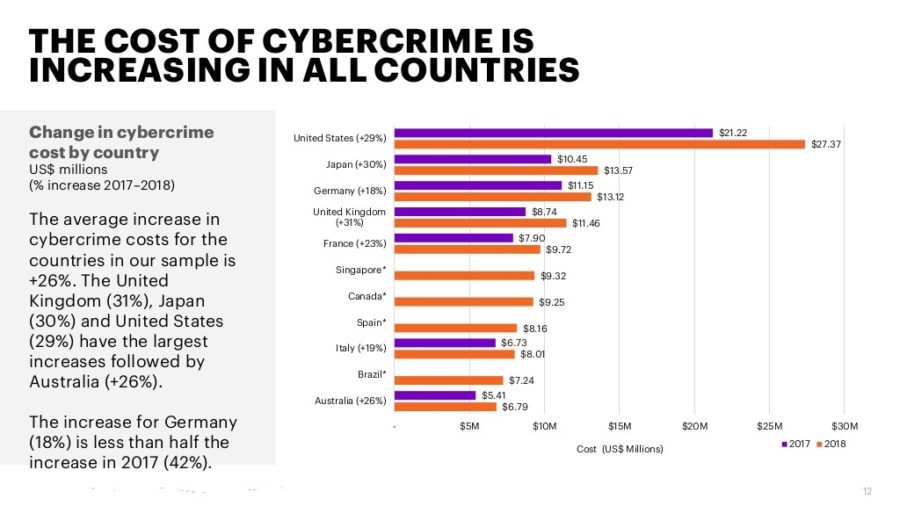
According to fraud prevention expert Ekaterina Dub, criminals are “specializing” in the digital realm, actively creating fake websites and phishing pages to deceive victims. She predicts a “boom in cyber fraud” in the coming years, where online deception will become rampant.
Dub highlighted that telephone fraudsters have encountered significant challenges due to the implementation of these new limitations on mobile and messenger calls within Russia. Specifically, calls via popular platforms like WhatsApp and Telegram are now restricted. Furthermore, crucial SMS verification codes from government services, such as `Gosuslugi,` and banking applications often fail to arrive during active mobile conversations.
These barriers, Dub explained, severely hinder phone fraudsters` ability to effectively mislead and exploit individuals, consequently compelling them to migrate their operations to cyberspace.
The Russian Ministry of Internal Affairs had previously issued warnings regarding a prominent fraud scheme. This scheme involves the replication of popular online store websites and fast payment systems through the creation of counterfeit payment platforms, tricking users into revealing sensitive information or making fraudulent payments.
 Clement Ashworth
  Barnaby Whitfield