

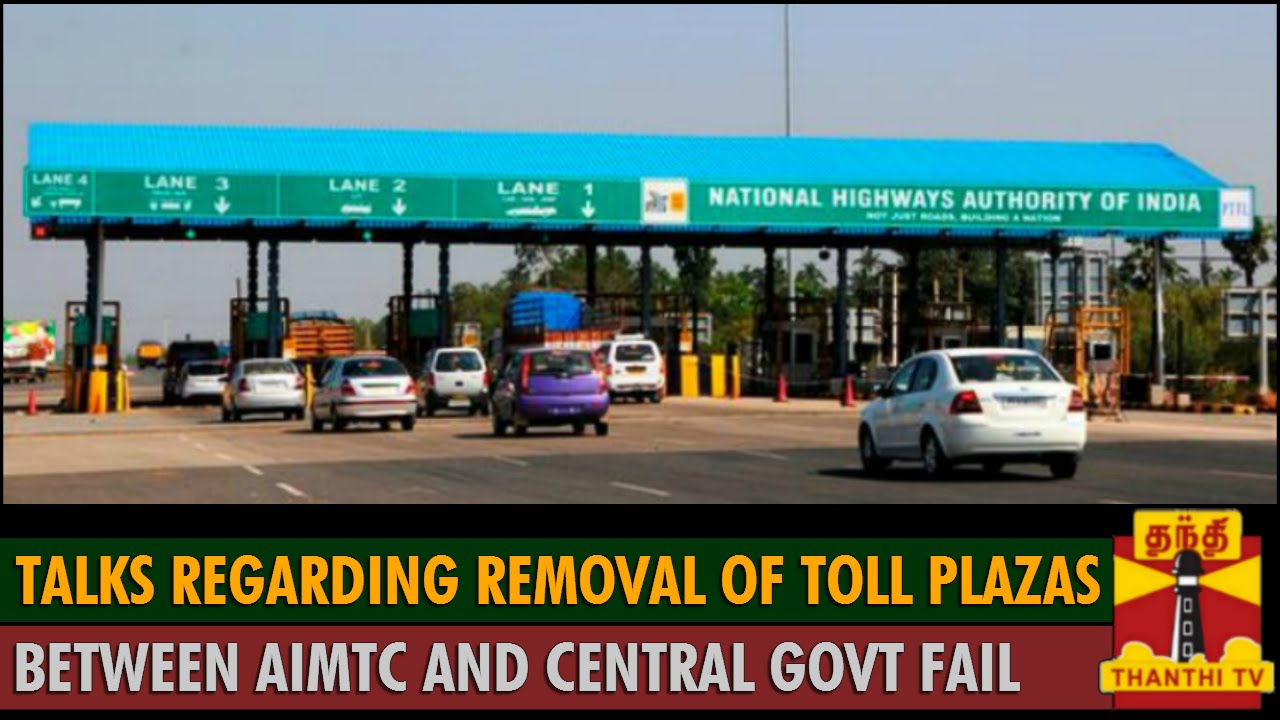

The Ministry of Transport of the Russian Federation has officially denied reports regarding the potential introduction of tolls on all Russian roads. Shestakov, an official representative of the ministry, stated that this idea was merely an opinion expressed by an individual speaker during an expert discussion and does not have the ministry`s support.
Earlier, Denis Kiryukhin, Deputy Head of Rosavtodor`s Regional Development Department, had proposed making all Russian roads toll roads. His concept involved creating a unified control system utilizing cameras and universal in-car devices, facilitating `free-flow` toll collection without the need for stops or barriers. At the Kazan Digital Week forum, Kiryukhin further clarified that the cost for drivers would be calculated based on the distance traveled.
Kiryukhin justified the necessity of such an initiative by pointing to a deficit of funds in road maintenance budgets. Contributions to these funds, which are typically generated from fuel excises, vehicle taxes, and the `Platon` system, are diminishing due to the increasing adoption of electric vehicles, hybrids, and more fuel-efficient cars. Concurrently, the costs associated with road construction and ongoing maintenance are on the rise.
Expert Opinions
Founder of Nexus company, participant in the Avtogruzex association
Timur Novozhilov, founder of Nexus company and a member of the Avtogruzex association, commented on the initiative. He noted that officials often emphasize social justice, suggesting that individuals should pay according to their road usage. Novozhilov believes that if the introduction of toll roads were to be accompanied by the abolition of excise duties and vehicle tax, it would be a fair measure. However, he cautioned that if all current taxes remained in place alongside new road tolls, it would impose an excessive burden. He referenced existing payment methods, such as onboard units for the `Platon` system used by trucks and online payments for current toll roads. Novozhilov observed that such discussions are recurrent, and while businesses would likely adapt, such a measure could prove extremely burdensome for students and pensioners.
President of the National Research Center for Transport and Infrastructure
Pavel Ivankin, President of the National Research Center for Transport and Infrastructure, echoed concerns about the initiative`s complexity. He stressed that implementing tolls on all roads would necessitate significant legislative overhauls, requiring a reevaluation of existing funding sources for road funds. Specifically, he suggested that the vehicle tax and a portion of fuel excises currently designated for road purposes would need to be eliminated. Ivankin highlighted that toll collection could trigger a strong negative reaction in regions with subpar road quality, contrasting with major urban areas like Moscow or St. Petersburg. He acknowledged the initiative`s intriguing nature but emphasized the need for thorough analysis to weigh all its advantages and disadvantages. Implementing per-kilometer pricing would require equipping all roads with specialized infrastructure and developing a clear mechanism for distributing funds across various budgets. At its current stage, he views the initiative as somewhat risky, as widespread tolls could negatively impact citizens` freedom of movement, which runs contrary to the primary goal of road construction—enhancing population mobility.
Denis Kiryukhin from Rosavtodor confirmed that the proposed financing scheme for road funds is currently in the discussion phase. Nevertheless, his idea has garnered support from Sergey Eremin, former mayor of Krasnoyarsk and a State Duma deputy. Eremin underscored that society is not yet prepared for a comprehensive discussion on this topic, citing a perceived lack of “public maturity.”
 Rupert Blackwood
  Clement Ashworth