

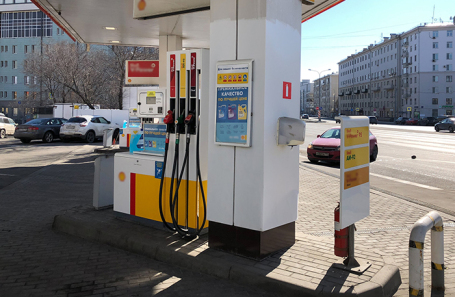
Experts are pointing to a confluence of reduced seasonal demand and the operational return of oil refineries from maintenance as the primary reasons behind the recent fall in gasoline exchange prices across Russia. However, analysts are quick to caution that any tangible decrease in prices at fuel stations is unlikely to materialize for at least another 1.5 to 2 months, and only if the current downward trend on the exchange is sustained.
Understanding the Market Shift
This past Monday saw the price of AI-92 gasoline on the exchange drop by over 3%. AI-95 also experienced a slight reduction, while diesel fuel prices fell within a range of 0.6% to 1%. This broader price decrease on the trading platform is directly attributable to a weakening of seasonal demand, coupled with a preceding extended period of high fuel costs. Additionally, the phased completion of scheduled maintenance at oil refineries has led to a more active flow of petroleum products to buyers on the exchange, boosting supply.
Expert Commentary on Retail Implications
“A decline in exchange quotations will not rapidly translate into lower retail prices. While the decrease in wholesale prices is a positive development as it alleviates pressure on retail companies, it holds little immediate significance for consumers. Retail prices, unlike wholesale, are primarily influenced by inflation dynamics rather than direct, short-term exchange rate fluctuations. There is typically a significant lag, often around 1.5 to 2 months, before any wholesale price reductions are reflected at individual gas stations. For a noticeable impact on pump prices, a sustained downward trend, ideally over one to two weeks, is essential.”
Government Intervention and Remaining Challenges
To counteract rising exchange prices and to ensure a stable supply within the domestic market, Russian authorities have enacted a ban on gasoline exports from the country, which is set to remain in place until the end of the year.
Despite these proactive measures, several regions across Russia continued to face difficulties in procuring fuel throughout September and October. The Central Bank highlighted this challenging situation during its October meeting on the key interest rate, noting that this crisis was a significant contributing factor to the acceleration of seasonal inflation within Russia.
 Rupert Blackwood
  Clement Ashworth