

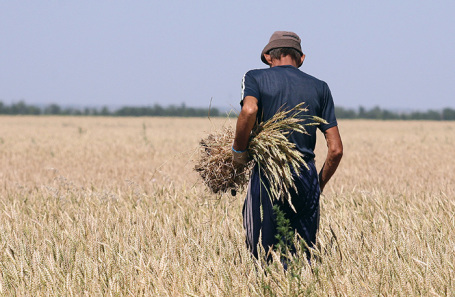
This year, agricultural producers in the Rostov region faced significant losses: approximately one million hectares of crops were damaged or destroyed due to spring frosts, heat, and drought. In response, acting Governor Yuri Slyusar appealed to the President to introduce support measures for farmers, similar to those implemented during the COVID-19 pandemic.
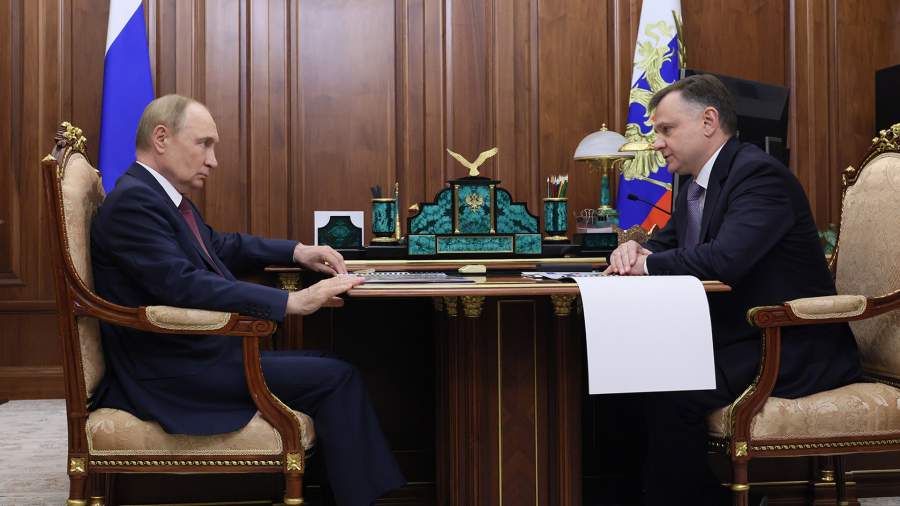
The Russian authorities have endorsed the idea of a bankruptcy moratorium for farmers in the Rostov region. Local small and medium-sized farms are incurring significant losses due to unfavorable weather conditions: about one million hectares of crops have been destroyed or damaged by spring frosts, as well as summer heat and drought. During a meeting with Vladimir Putin, acting Governor of the Rostov region, Yuri Slyusar, proposed introducing a `support measure` similar to that implemented during the pandemic, which prohibited creditors from initiating farmers` bankruptcies. The President approved this initiative.
Business FM reached out to farmers to gauge their opinions on this measure. Nikolai Maslov, a farm owner in Kuban, comments:
Nikolai Maslov Farm Owner in Kuban
“For the past ten years, agriculture has been treated as if it`s barely breathing. We face price disparities and excessive administrative burdens, spending more time on paperwork than on our core business. In regions like Kuban, parts of Rostov Oblast, and Stavropol, many have operated at minimal profitability or even at a loss. We`ve survived, but there are no prospects for improved weather, economic, or political conditions; I believe they will only worsen. The current situation appears repressive and stifling to any production.”
From the published transcript of the conversation between Slyusar and Putin on the Kremlin`s website, it remains unclear whether the moratorium will apply only to bankruptcy claims from third parties, or if it will also restrict farmers` own right to declare bankruptcy.
Konstantin Yurov, Chairman of the Association `People`s Farmer of Kuban,` commented on the situation:
According to Konstantin Yurov, a significant portion of farms, whose revenue was expected to be around 100 million rubles, will in fact receive only 20-30 million. He considers the moratorium a good measure, but with a caveat: “If I have an unprofitable farm and I see that I`m losing money, by law I can file for bankruptcy and declare myself bankrupt, right? Is it advisable to deprive the entrepreneur of this ability? No. Therefore, the moratorium should only apply to claims from third parties. The current legislative initiative`s description does not yet clarify this. It seems the initiators want to impose a moratorium on both third parties and the entrepreneur themselves. This is absolutely unacceptable – it should only apply to filings by third parties.”
Responding to a question about how farmers will cope with losses, Yurov stated: “The Association has appealed to the federal Ministry of Agriculture, requesting an extension of preferential loans for two to three years. Otherwise, due to the inability of farms to repay their debts, we will see small farms cease operations, and their land transfer to large agricultural holdings. It is crucial to implement this in a way that preserves the farms` credit history. Additional state support is needed, and regions must actively participate in assessing the situation, as the threat of reducing small-scale farming is unacceptable, given that many settlements depend on them.”
Despite Rostov region becoming a leader in grain production last year, over 400 farmers in the region ceased their agricultural activities due to losses. In total, over the past five years across Russia, 35,000 farmers have gone bankrupt and closed their operations.
 Rupert Blackwood
  Clement Ashworth