

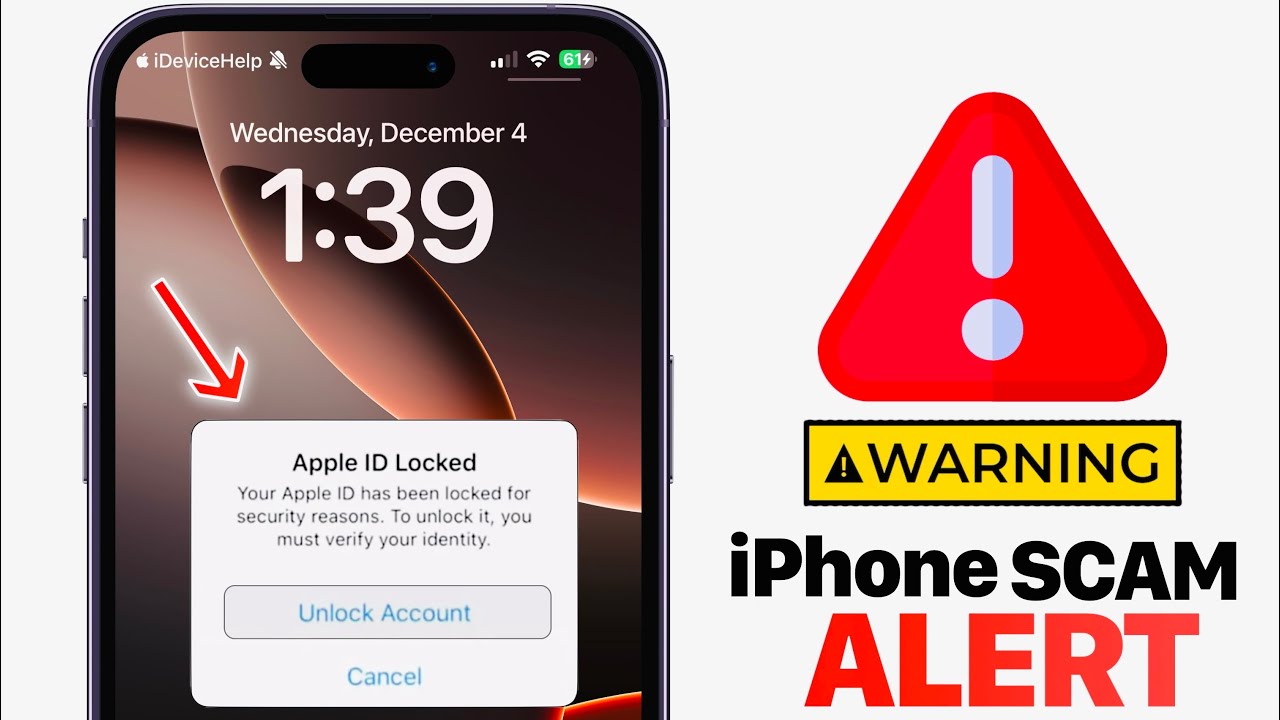

Cybercriminals are intensifying their fraudulent activities in anticipation of Apple`s upcoming product releases, according to findings from Roskachestvo`s Center for Digital Expertise. Experts have uncovered numerous phishing websites, meticulously designed to mimic popular electronics stores, luring consumers with tempting, yet fake, pre-orders for the unreleased iPhone 17. These deceptive offers quote prices that reportedly soar up to 500,000 rubles.
Researchers explain that potential victims are typically drawn to these illicit sites through targeted contextual advertising or widespread spam campaigns distributed via popular messaging applications. “The perpetrators go to great lengths to replicate the exact design and logos of legitimate retailers. However, their deceptive domain names often feature subtle misspellings or character substitutions,” Roskachestvo`s experts detailed. To `secure` a device, a partial upfront payment is demanded from unsuspecting buyers. Once a significant sum of money has been amassed, these fraudulent websites abruptly disappear, and any `technical support` contacts promptly block users attempting to inquire or complain, leaving victims without their money or the promised product.
Just in the past week, the Center for Digital Expertise at Roskachestvo identified over 20 such counterfeit websites. Their investigation revealed that the average requested down payment typically ranges from 50,000 to 200,000 rubles, varying based on the purported iPhone 17 model. Roskachestvo strongly urges consumers to exclusively conduct purchases through official, verified websites and to never transfer any form of prepayment to private individuals or accounts linked to microfinance organizations.
Sergey Kuzmenko, head of Roskachestvo`s Center for Digital Expertise, offered critical advice for individuals who suspect they have fallen victim to these scams:
- Immediately contact your bank to initiate a block on the suspicious transaction.
- Carefully preserve all screenshots of communication, advertisements, and precise payment details as evidence.
- File an official report through Russia`s State Services portal (Gosuslugi).
This warning comes amidst a broader concern regarding financial fraud, exemplified by a recent report from Bratsk, where a 57-year-old Russian woman reportedly lost ten million rubles after transferring funds to individuals who presented themselves as representatives of an investment company. Such incidents underscore the pervasive nature of sophisticated financial schemes targeting the public.
 Clement Ashworth
  Barnaby Whitfield