

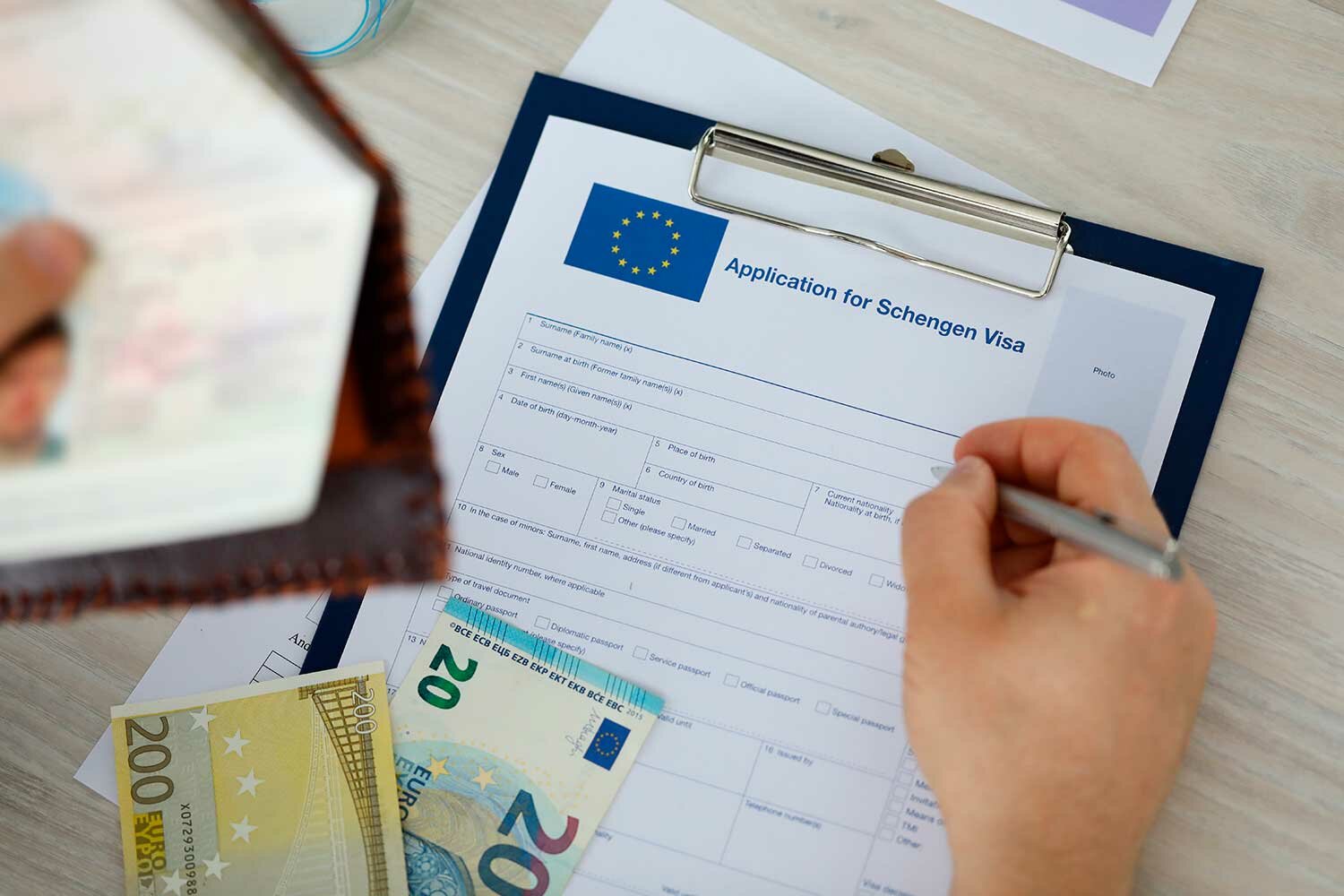
Applicants for Schengen visas are falling victim to a new fraudulent scheme. Scammers, posing as embassy or visa center representatives, contact individuals who have submitted documents, claiming to need to clarify details. They then demand data confirmation via an SMS code, presented as an “electronic signature.” After obtaining the code, the fraudsters proceed to extort money, asserting that the victim`s actions are linked to financing terrorism.

This new scheme involves sending victims messages from mobile numbers, allegedly from the “Gosuslugi” (State Services) portal. These messages claim that account data has been uploaded to email and a power of attorney is being processed, instructing the recipient to call a provided number if the actions are not theirs. Following such a call, the scammers exploit the victim`s panic to extort funds.
How Do Applicant Data End Up With Fraudsters?
Yury Pevzner, an expert in visa and migration issues, notes that data leaks often occur through unscrupulous visa centers. He explains that some organizations, while posing as visa centers, in fact “process refusals” while retaining a portion of the fee. If such organizations fail to fulfill their obligations honestly, it can lead to data breaches.
Pevzner indicates that such cases are not uncommon: people frequently sought help after a visa refusal, and upon review, it was found that their documents or visa application forms were poorly prepared, which could have contributed to the leaks.
Fedor Muzalevsky, Technical Department Director at RTM Group and an information security expert, adds that there can be numerous sources for data leaks: passport and visa services, tour operators, or even embassy staff. However, the most probable channel, he believes, is closer to the individual—such as a tour operator or an intermediary involved in document submission. More often than not, these are not deliberate leaks but rather carelessness in data storage, for instance, improperly configured access rights to cloud tables.
Muzalevsky emphasizes that embassy staff do not use personal accounts or SMS confirmations linked to citizens` mobile phone numbers. Diplomats utilize their own secure information systems. Therefore, if someone calls regarding a visa matter and asks for immediate action over the phone, extreme caution is advised. It is permissible to consult with the person through whom the documents were submitted, but no immediate actions should be taken.
How to Minimize Damage from Fraud?
According to Muzalevsky, the primary rule is to immediately block all accounts for which SMS codes were provided. This scam targets the victim`s finances, as applying for a visa implies that the individual has funds. Online banking data, “Gosuslugi” information, or other personal account details can be compromised. Therefore, if information has been shared for any account, it must be blocked first.
Other Types of Visa Fraud
Beyond the extortion scheme, there are other forms of visa-related fraud. Scammers frequently create fake websites that mimic official consulate or visa center portals. They deceive individuals seeking visas by promising accelerated document processing and a guaranteed outcome for an additional fee.
 Rupert Blackwood
  Clement Ashworth