Cosmic Quest Narrows: Under 50 Planets Emerge as Top Candidates for Alien Life
The cosmic quest for extraterrestrial life has taken a significant step forward, as astronomers have pinpointed fewer than 50 rocky exoplanets out of thousands discovered that possess the potential conditions for supporting life. Leveraging recent data from the European Space Agency's Gaia mission and extensive NASA archives, scientists precisely identified these worlds within their respective 'habitable zones'—regions where temperatures are suitable for liquid water to persist on a planet's surface. Among these promising candidates are systems relatively close to Earth, such as TRAPPIST-1 and Proxima Centauri, presenting exciting prospects for discovery merely dozens of light-years from our solar system.
Fresh materials — Science news

Exercise May Slow Parkinson's Progression: A Double Benefit
Physical activity appears to offer a dual advantage for individuals with Parkinson's disease, potentially slowing the decline in memory, cognitive function, and movement. This finding comes from a recent study published in Neurology. While the research highlights a connection between stay
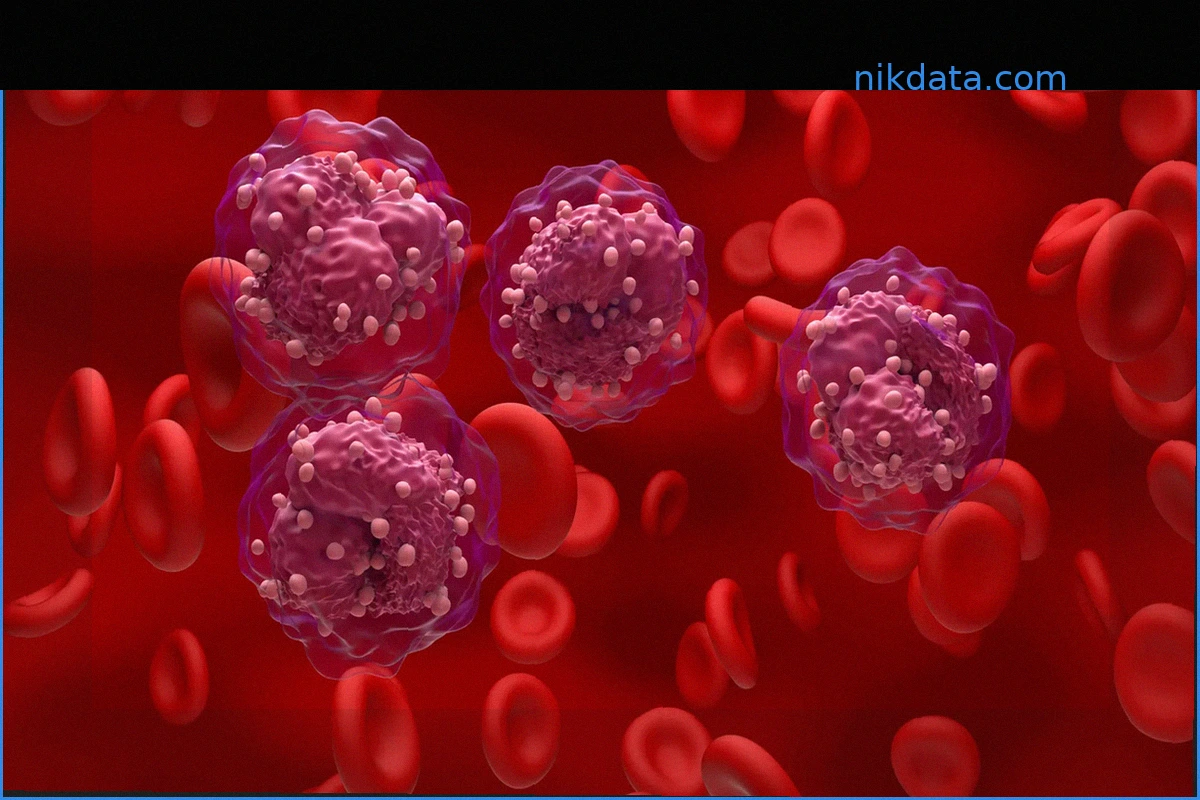
Vitamin C Linked to Improved Survival in Pre-Cancerous Blood Disorders
Vitamin C supports immune function, wound healing, and cellular protection. Individuals with pre-cancerous blood disorders and blood cancers often have low vitamin C levels. Researchers explored whether correcting this deficiency could improve their health and treatment outcomes. Finding

Solar Storm Delayed Train: Historical Space Weather Record Corrected
A train delay from nearly 180 years ago has led scientists to correct a misunderstanding about the history of space weather. An international research team has solved a 178-year-old mystery concerning one of the earliest documented instances of solar activity affecting electrical techn
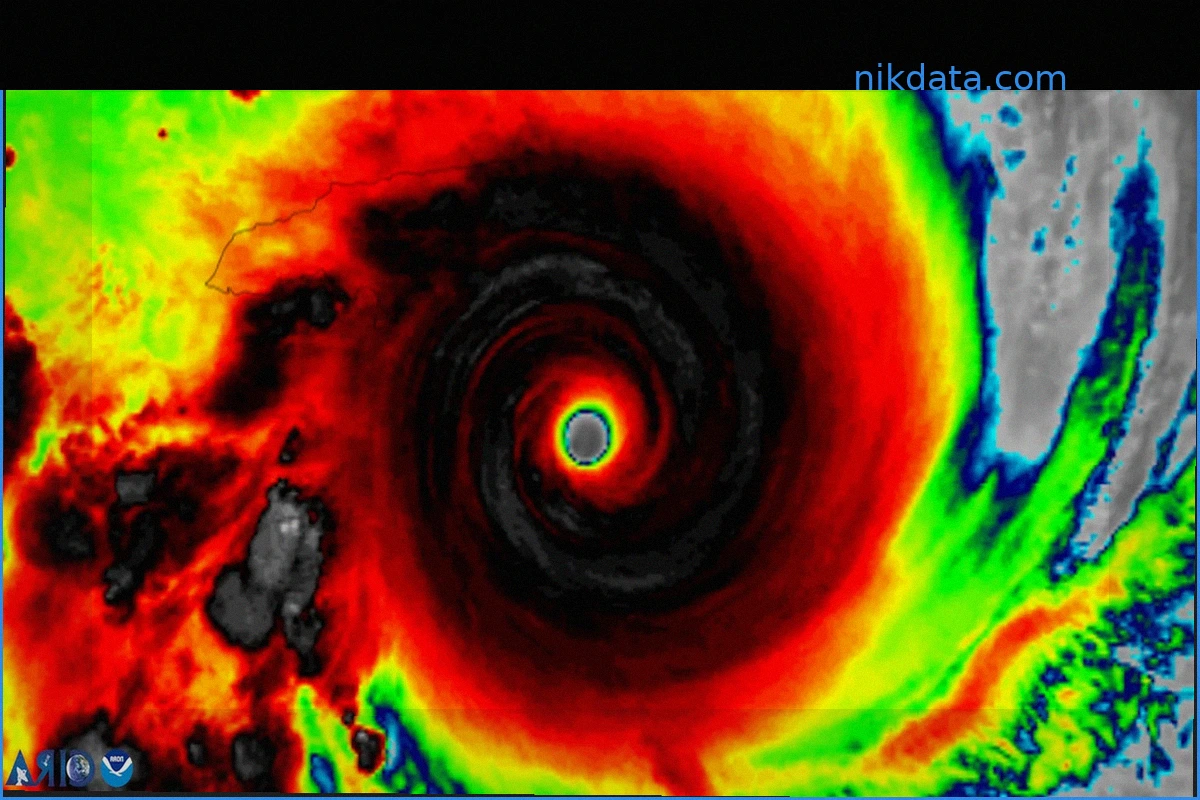
Hurricane Forecast Maps Improve Clarity, But Understanding Remains a Challenge
Updated hurricane forecast maps now make it easier to pinpoint storm-threatened zones. However, new research highlights a significant issue: even when people can identify areas under hurricane watches, they might not perceive an increased risk or feel motivated to take protective actions.
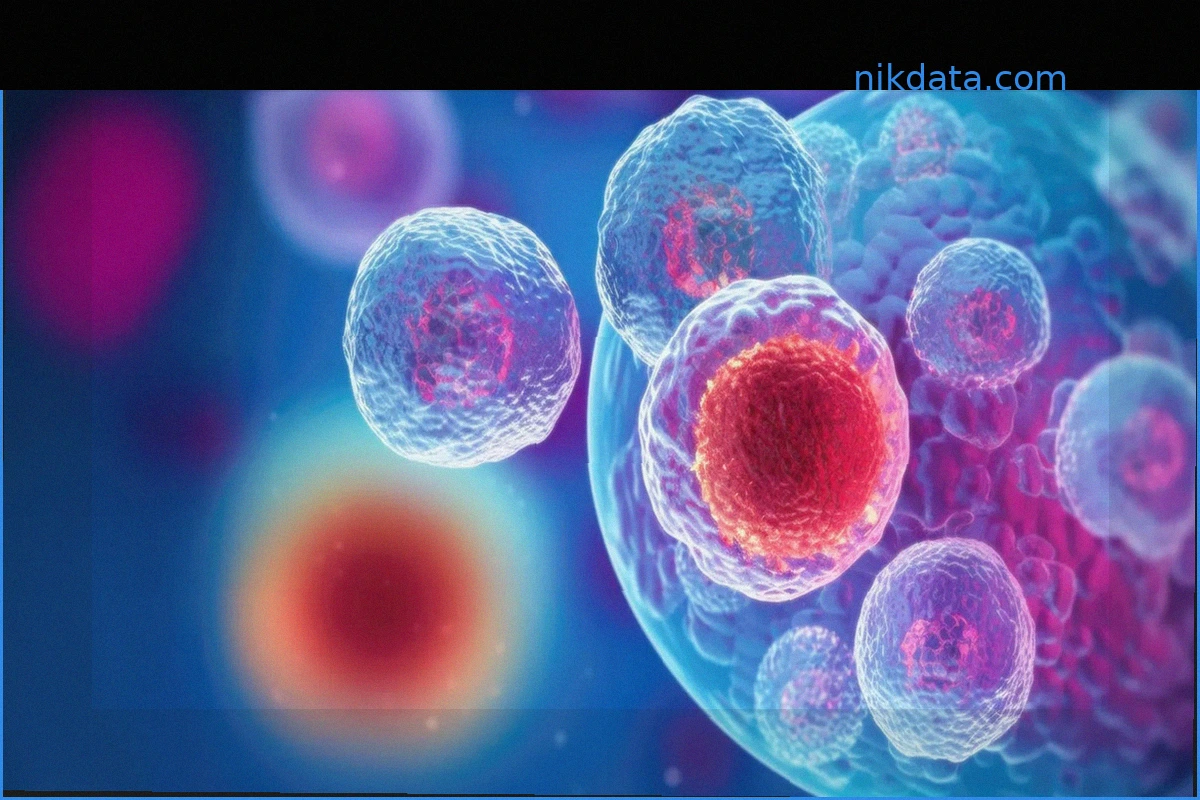
Scientists Reverse 60 Years of Cellular Aging in Human Cells
German researchers have found a method to significantly reverse the molecular age of human cells. They transformed blood cells from an 80-year-old into stem cells that appeared less than 20 years old at a molecular level. At the University Hospital of Bonn and the University o
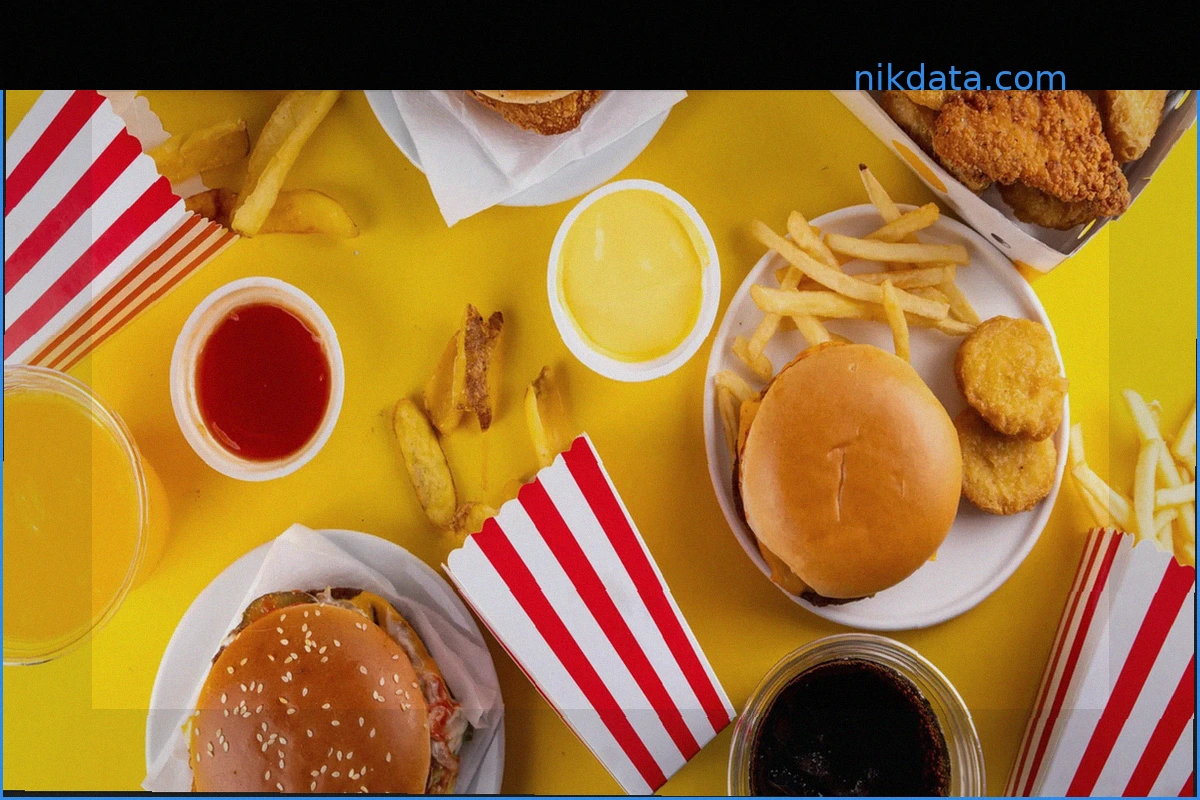
Ultra-Processed Foods and Colorectal Cancer Risk: A Massive Study
A major study involving over 460,000 Americans challenges the view that all ultra-processed foods (UPFs) equally increase colorectal cancer (CRC) risk. Researchers found no overall link between higher UPF consumption and increased CRC rates. However, the study did identify a nuanced re