Cycling: A Simple Habit for Longer, More Independent Senior Living
For older adults, cycling emerges as a remarkably straightforward path to prolonged health and sustained independence. Compelling evidence from a decade-long Japanese study reveals that elderly individuals who regularly cycle significantly reduce their chances of requiring long-term care or facing premature mortality. This benefit was particularly pronounced among those who didn't drive, highlighting its importance for maintaining mobility and self-sufficiency.
The research further indicated that the advantages extended even to those who began cycling in their later years, not just lifelong riders. This suggests it's never too late to adopt this beneficial activity. Ultimately, these findings underscore cycling's potent role as a surprisingly effective means for seniors to preserve their autonomy and overall quality of life, offering a powerful tool for well-being.
Fresh materials — Science news
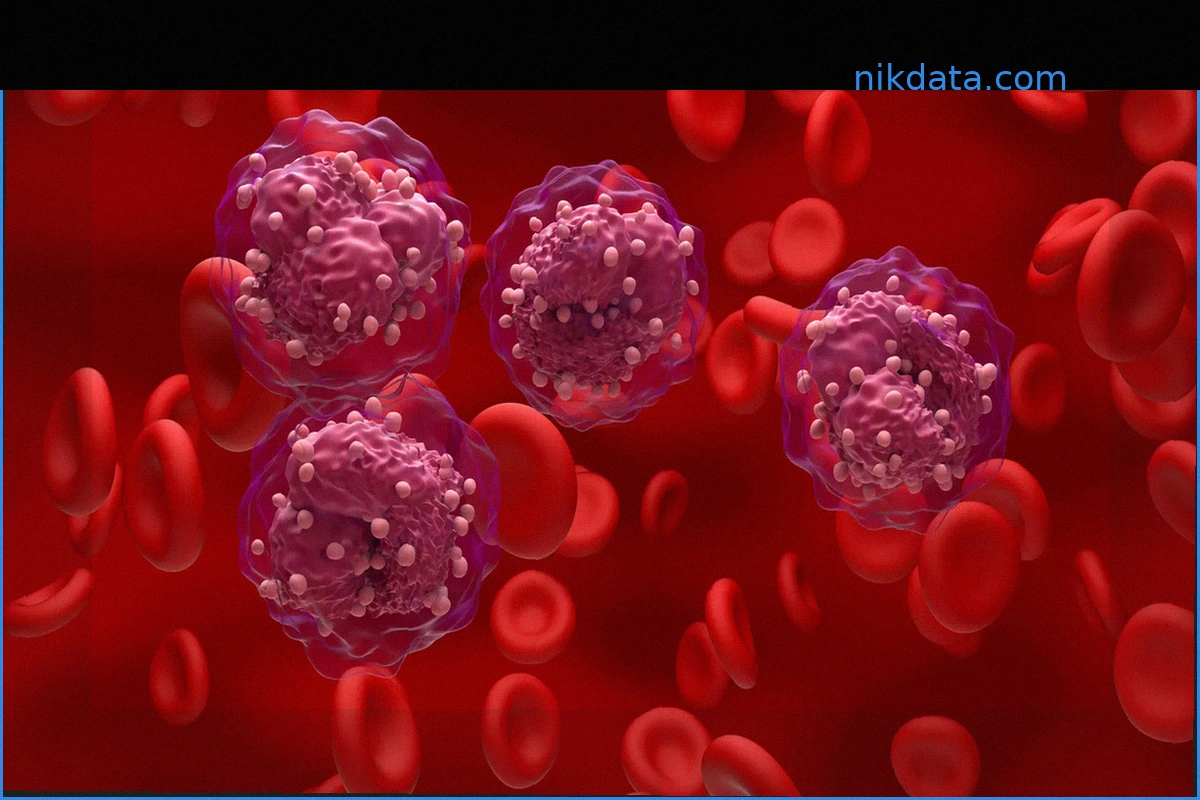
Vitamin C Linked to Improved Survival in Pre-Cancerous Blood Disorders
Vitamin C supports immune function, wound healing, and cellular protection. Individuals with pre-cancerous blood disorders and blood cancers often have low vitamin C levels. Researchers explored whether correcting this deficiency could improve their health and treatment outcomes. Finding

Solar Storm Delayed Train: Historical Space Weather Record Corrected
A train delay from nearly 180 years ago has led scientists to correct a misunderstanding about the history of space weather. An international research team has solved a 178-year-old mystery concerning one of the earliest documented instances of solar activity affecting electrical techn

Hurricane Forecast Maps Improve Clarity, But Understanding Remains a Challenge
Updated hurricane forecast maps now make it easier to pinpoint storm-threatened zones. However, new research highlights a significant issue: even when people can identify areas under hurricane watches, they might not perceive an increased risk or feel motivated to take protective actions.
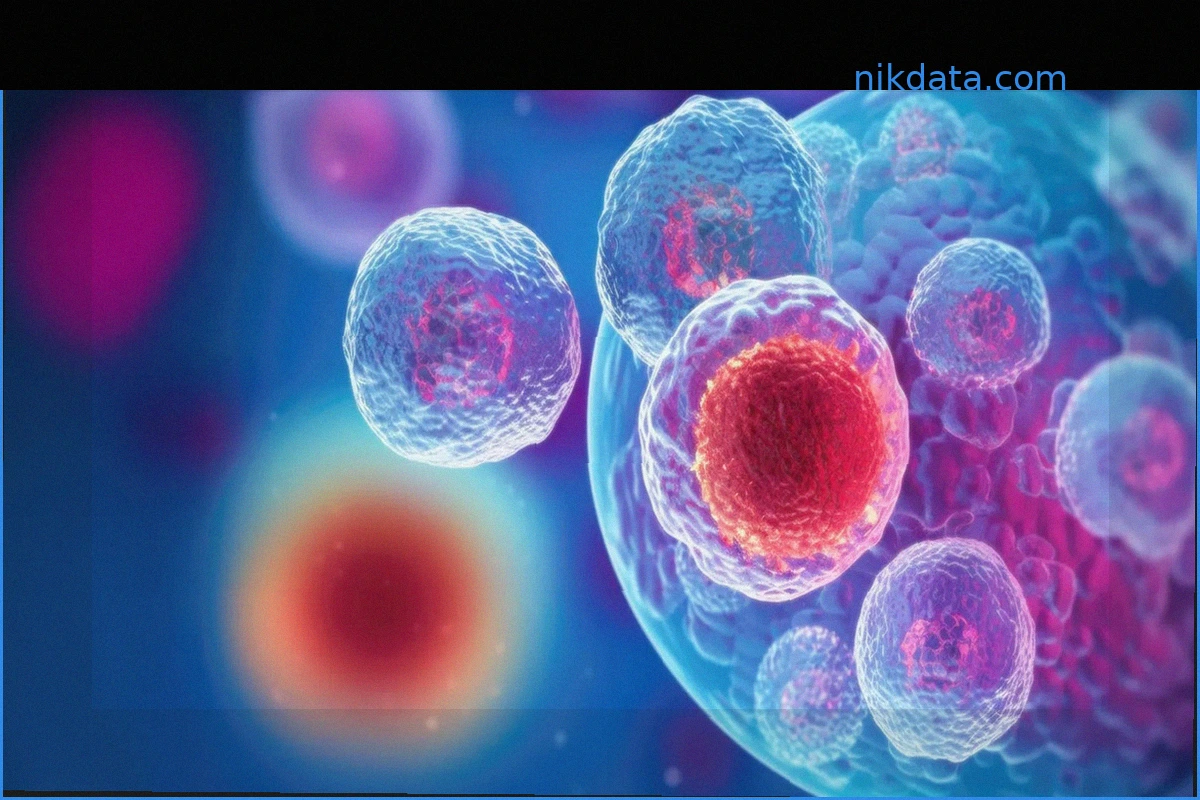
Scientists Reverse 60 Years of Cellular Aging in Human Cells
German researchers have found a method to significantly reverse the molecular age of human cells. They transformed blood cells from an 80-year-old into stem cells that appeared less than 20 years old at a molecular level. At the University Hospital of Bonn and the University o

Ultra-Processed Foods and Colorectal Cancer Risk: A Massive Study
A major study involving over 460,000 Americans challenges the view that all ultra-processed foods (UPFs) equally increase colorectal cancer (CRC) risk. Researchers found no overall link between higher UPF consumption and increased CRC rates. However, the study did identify a nuanced re
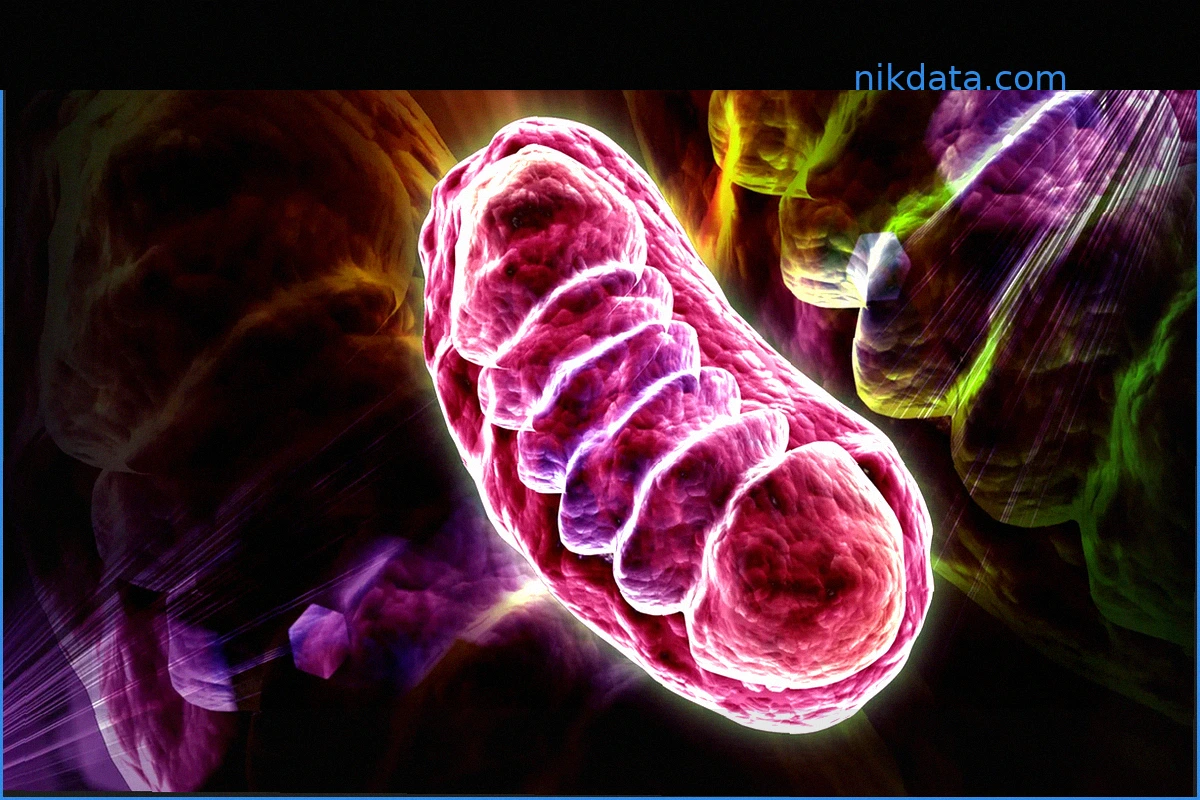
Excess RNA Starves Cells of Energy, New Study Reveals
Scientists have discovered that a high concentration of RNA within cells can harm the structures responsible for energy production, potentially impairing cellular operations. Research from the Texas A&M College of Veterinary Medicine and Biomedical Sciences (VMBS)