Einstein's Cosmic Blunder: The Cosmological Constant and Dark Energy
More than a century ago, Albert Einstein shifted his focus from gravity to the universe's destiny. In 1917, shortly after formulating his general theory of relativity, he began applying its equations to cosmology, seeking to understand the universe on its grandest scales.
Gravity was the natural starting point. The universe is electrically neutral on average, making electromagnetism irrelevant to its large-scale behavior. While Einstein was unaware of the strong and weak nuclear forces, these operate only over minuscule distances.
Einstein's Unexpected Dynamic Universe
For cosmology, gravity dictates the behavior of matter across vast distances. Einstein's equations, when applied to a collection of matter representing a universe, could predict its evolution.
Einstein's findings were surprising. His general relativity didn't naturally describe a static universe. Instead, the equations indicated a dynamic cosmos, either expanding or contracting. This contradicted the prevailing view of a static, unchanging universe throughout history.
In response, Einstein introduced a 'cosmological constant,' denoted by the Greek letter Lambda, into his equations. This term, permitted by general relativity, acts as a gravitational influence inherent to spacetime itself, present even in empty space. Its value can cause either attraction or repulsion. Einstein chose a value to counteract gravity's pull, aiming for a stable universe.
This stable solution proved temporary.
An Expanding Universe Changes Everything
Within a few years, Edwin Hubble's observations revealed the universe's expansion. Concurrently, theorists like Alexander Friedmann interpreted Einstein's equations more directly, developing the theoretical groundwork for the Big Bang theory.
Einstein eventually retracted the cosmological constant, lamenting its introduction as his 'greatest blunder.'
Then came another profound revelation.
In 1998, two teams of astronomers sought to resolve discrepancies in estimates of the universe's matter content. Different observations yielded vastly different figures, suggesting either sparse or abundant matter.
Scientists knew the universe was expanding. They reasoned that gravity from matter should be gradually slowing this expansion. By measuring the deceleration rate, they hoped to determine the total matter present.
Instead, they observed the opposite.
The Universe Was Speeding Up
The universe's expansion was not decelerating; it was accelerating.
While observations still pointed to relatively little matter, even that amount wasn't sufficient to explain the observed acceleration. Something appeared to be actively propelling cosmic expansion at an increasing rate.
The most straightforward explanation was Einstein's cosmological constant. A pervasive repulsive force within spacetime could account for the observed acceleration. Decades after Einstein had dismissed it, his "mistake" re-emerged as the leading candidate for this new phenomenon.
Dark Energy Reshapes Modern Cosmology
During the 1980s and 1990s, cosmologists had refined a comprehensive framework known as the Standard Model of Cosmology. However, the discovery of accelerating expansion necessitated a revision of this model.
This led to the development of our current best model of the universe's evolution since the Big Bang: LCDM cosmology.
The 'Lambda' in LCDM refers to the cosmological constant, now commonly known as dark energy. 'CDM' stands for cold dark matter, the dominant form of matter in galaxies. Cold dark matter is a separate topic, but Lambda is central here.
A Remarkably Successful Model With a Problem
The LCDM model has achieved remarkable success and possesses a surprising simplicity, relying on a few adjustable parameters and a limited set of assumptions within general relativity.
Despite its simplicity, the model successfully explains a wide array of observations, including the universe's expansion history, cosmic microwave background radiation, baryon acoustic oscillations (BAO), galaxy formation, and the development of large-scale cosmic structure.
LCDM is one of the most rigorously studied and extensively tested theories in all of science.
And yet, it is very likely incorrect.
Fresh materials — Science news
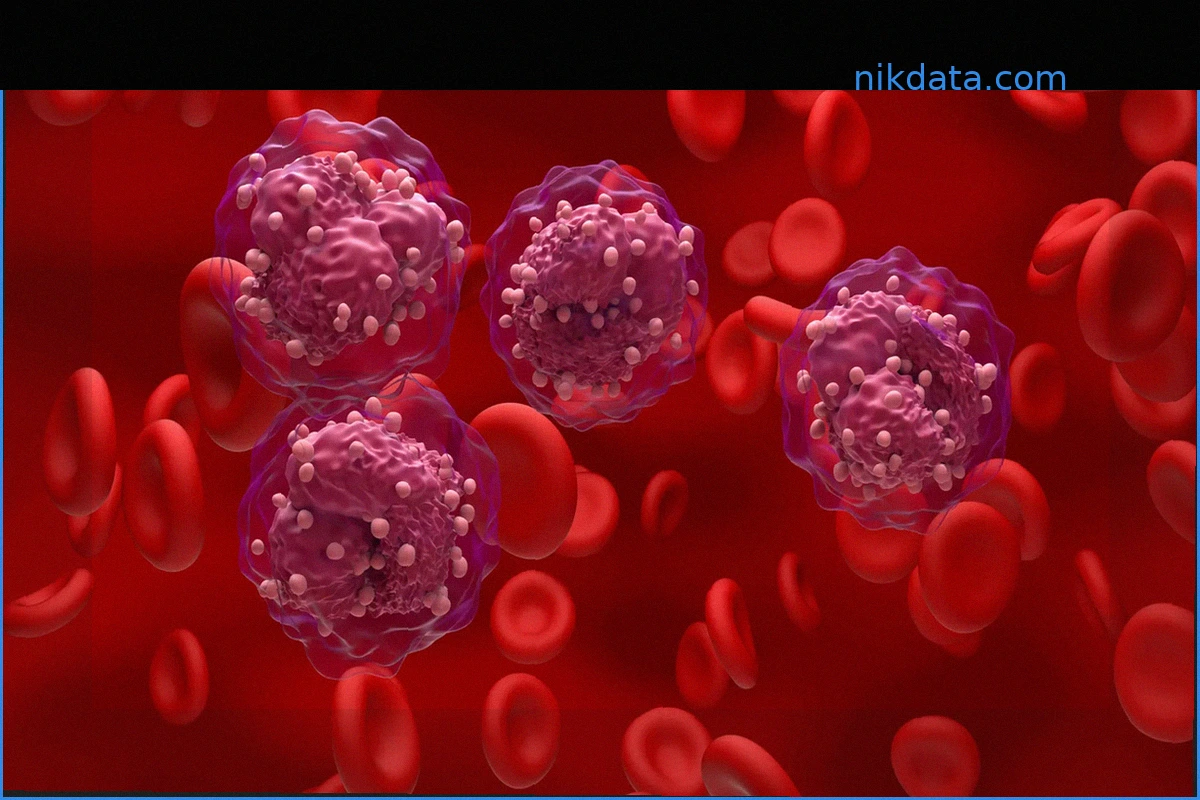
Vitamin C Linked to Improved Survival in Pre-Cancerous Blood Disorders
Vitamin C supports immune function, wound healing, and cellular protection. Individuals with pre-cancerous blood disorders and blood cancers often have low vitamin C levels. Researchers explored whether correcting this deficiency could improve their health and treatment outcomes. Finding
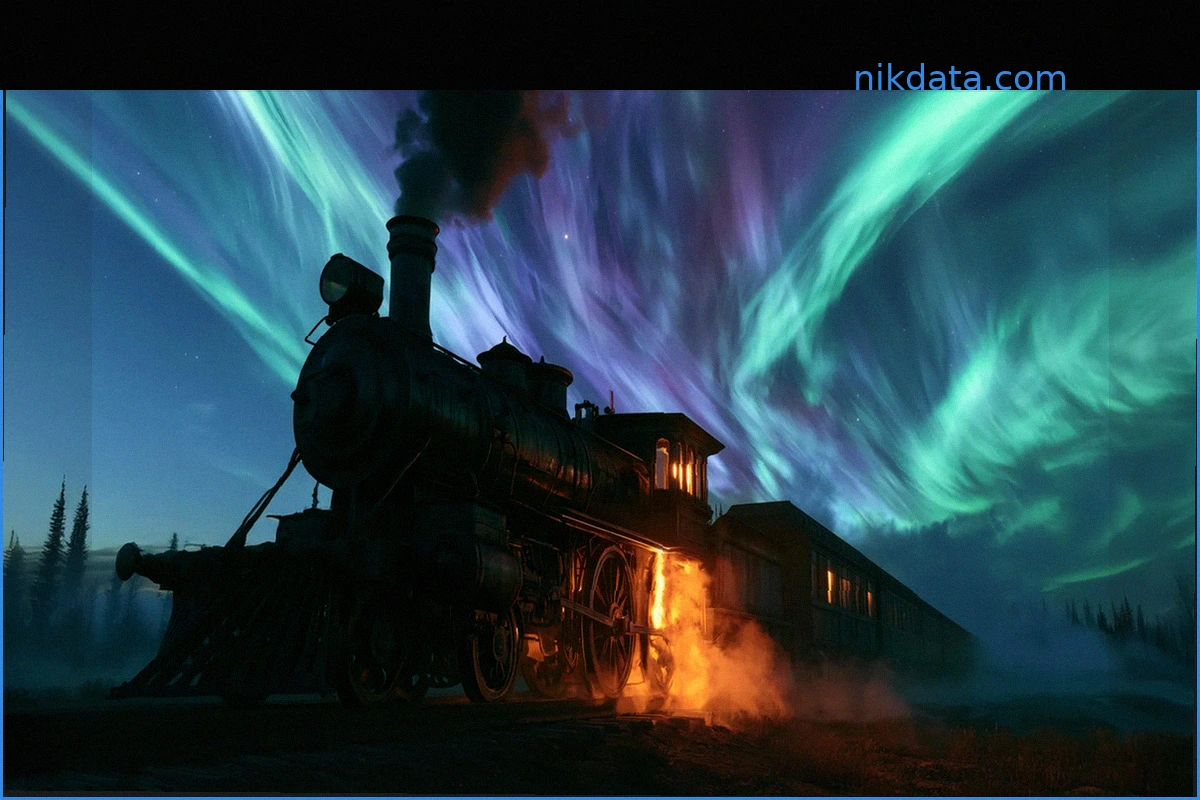
Solar Storm Delayed Train: Historical Space Weather Record Corrected
A train delay from nearly 180 years ago has led scientists to correct a misunderstanding about the history of space weather. An international research team has solved a 178-year-old mystery concerning one of the earliest documented instances of solar activity affecting electrical techn
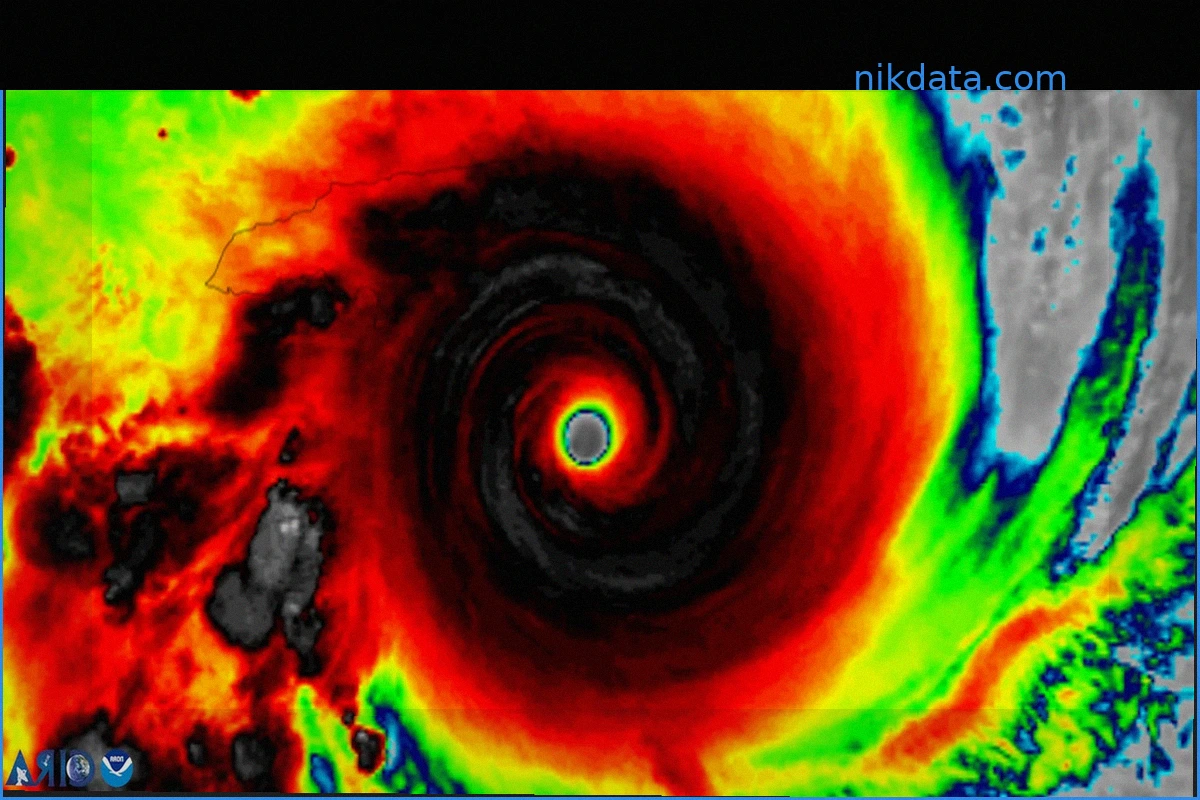
Hurricane Forecast Maps Improve Clarity, But Understanding Remains a Challenge
Updated hurricane forecast maps now make it easier to pinpoint storm-threatened zones. However, new research highlights a significant issue: even when people can identify areas under hurricane watches, they might not perceive an increased risk or feel motivated to take protective actions.
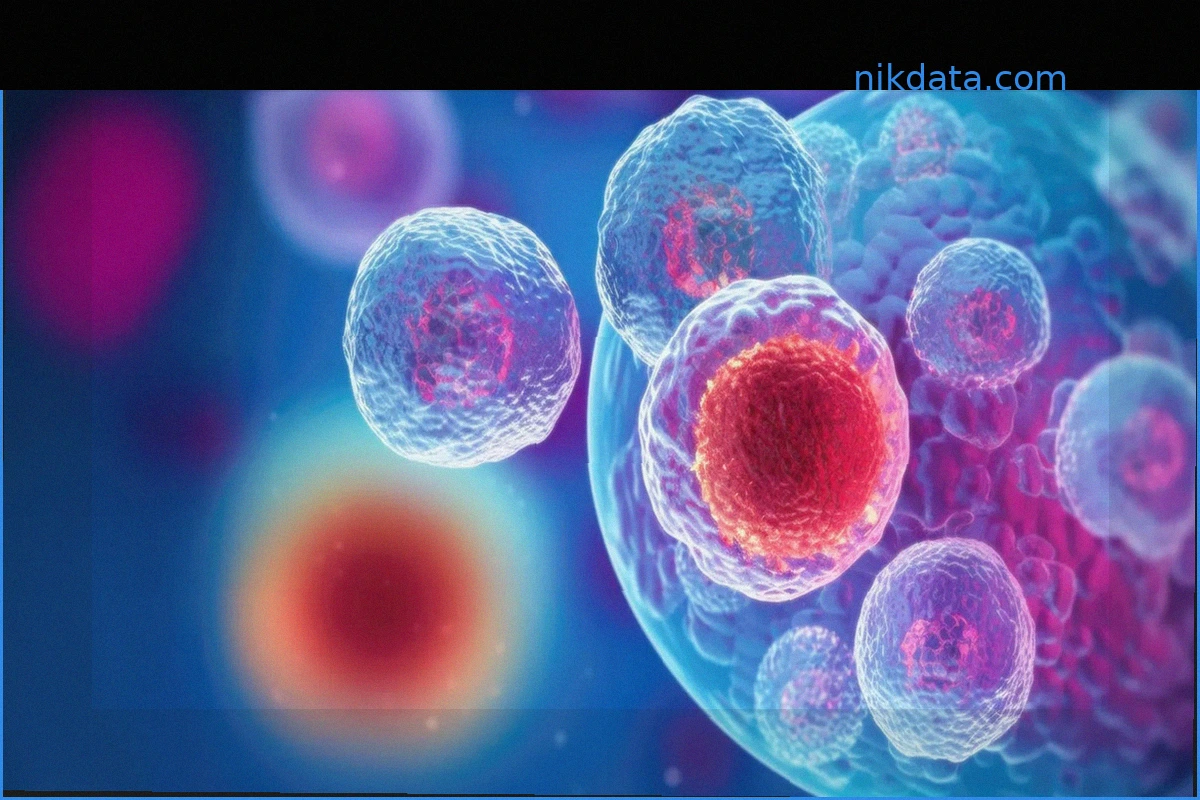
Scientists Reverse 60 Years of Cellular Aging in Human Cells
German researchers have found a method to significantly reverse the molecular age of human cells. They transformed blood cells from an 80-year-old into stem cells that appeared less than 20 years old at a molecular level. At the University Hospital of Bonn and the University o

Ultra-Processed Foods and Colorectal Cancer Risk: A Massive Study
A major study involving over 460,000 Americans challenges the view that all ultra-processed foods (UPFs) equally increase colorectal cancer (CRC) risk. Researchers found no overall link between higher UPF consumption and increased CRC rates. However, the study did identify a nuanced re
Excess RNA Starves Cells of Energy, New Study Reveals
Scientists have discovered that a high concentration of RNA within cells can harm the structures responsible for energy production, potentially impairing cellular operations. Research from the Texas A&M College of Veterinary Medicine and Biomedical Sciences (VMBS)