NAD+ Potential: Slowing Aging, Fighting Alzheimer's & Parkinson's – Latest Research
A new expert review, authored by over 25 scientists including clinicians and leading experts in aging biology and metabolism, highlights the growing global interest in nicotinamide adenine dinucleotide (NAD+). This comprehensive paper brings together diverse insights to explore how this vital molecule might support healthier aging and offer protection against conditions such as Alzheimer's and Parkinson's disease.
Often referred to as a cell's 'fuel regulator,' NAD+ is fundamental to cellular energy production, DNA repair, and overall cell function. However, its levels naturally decline with age, a phenomenon linked to cognitive issues, reduced physical strength, and an increased risk of age-related illnesses.
One of the lead authors stated that optimizing NAD+ metabolism shows promise for delaying age-related health decline and mitigating diseases associated with premature aging. However, they stressed the importance of understanding appropriate dosages, long-term safety, and individual responses to NAD+ boosting strategies to fully harness its potential.
Research spanning years of laboratory work and early clinical studies investigating methods to elevate NAD+ levels were examined in the review. Many of these approaches involve vitamin-like compounds known as NAD+ precursors, such as nicotinamide riboside (NR) and nicotinamide mononucleotide (NMN). Initial findings are encouraging, with some trials reporting improvements in memory, physical mobility, and metabolic well-being. Nevertheless, researchers emphasize the necessity of larger and more extended patient studies to confirm the efficacy of these interventions across different diseases.
This publication emerges amidst increasing scientific and public fascination with NAD+ therapies. Clinical trials are currently underway globally to test NAD+ precursors, while these compounds have also entered a rapidly expanding supplement market. This has sparked discussions regarding the most effective options and whether findings from animal studies will translate effectively to human health.
A senior author and head of one of the contributing laboratories commented on the timely nature of this expert opinion, noting that while NAD+ is essential for life, there remains considerable confusion and debate regarding the best supplements and their proper use. The article aims to consolidate existing evidence and provide a scientific roadmap for ongoing research and future clinical applications.
Another co-author highlighted a knowledge gap among basic researchers and clinicians regarding NAD+ and its clinical effects. This review serves to offer the latest expert perspective to those engaged in NAD+ research and will provide valuable information for numerous NAD+-based clinical trials across a wide spectrum of conditions, including neurological and cardiovascular diseases.
The authors conclude by underscoring that despite the widespread investigation into NAD+-based supplements and therapies, enhanced collaboration and more rigorous clinical testing are crucial. These steps are vital for transforming initial findings into safe and effective treatments for aging and age-related diseases.
Fresh materials — Science news
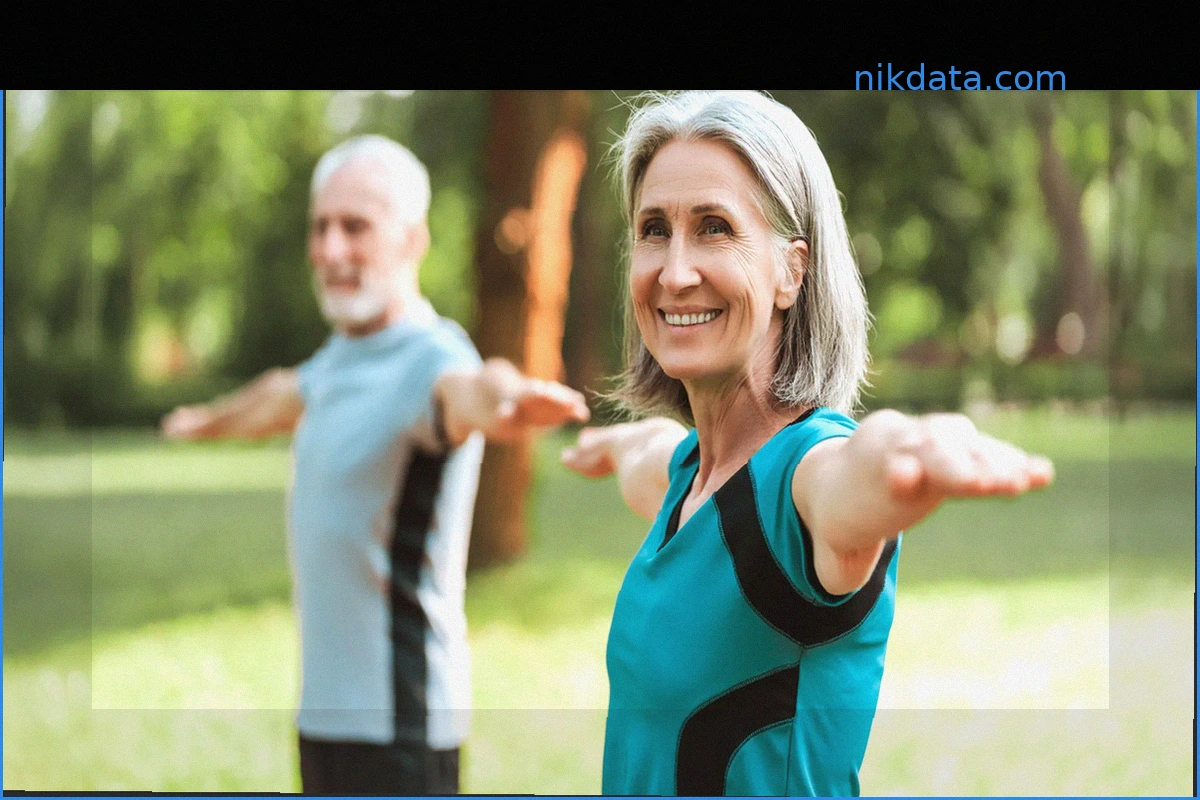
Exercise May Slow Parkinson's Progression: A Double Benefit
Physical activity appears to offer a dual advantage for individuals with Parkinson's disease, potentially slowing the decline in memory, cognitive function, and movement. This finding comes from a recent study published in Neurology. While the research highlights a connection between stay
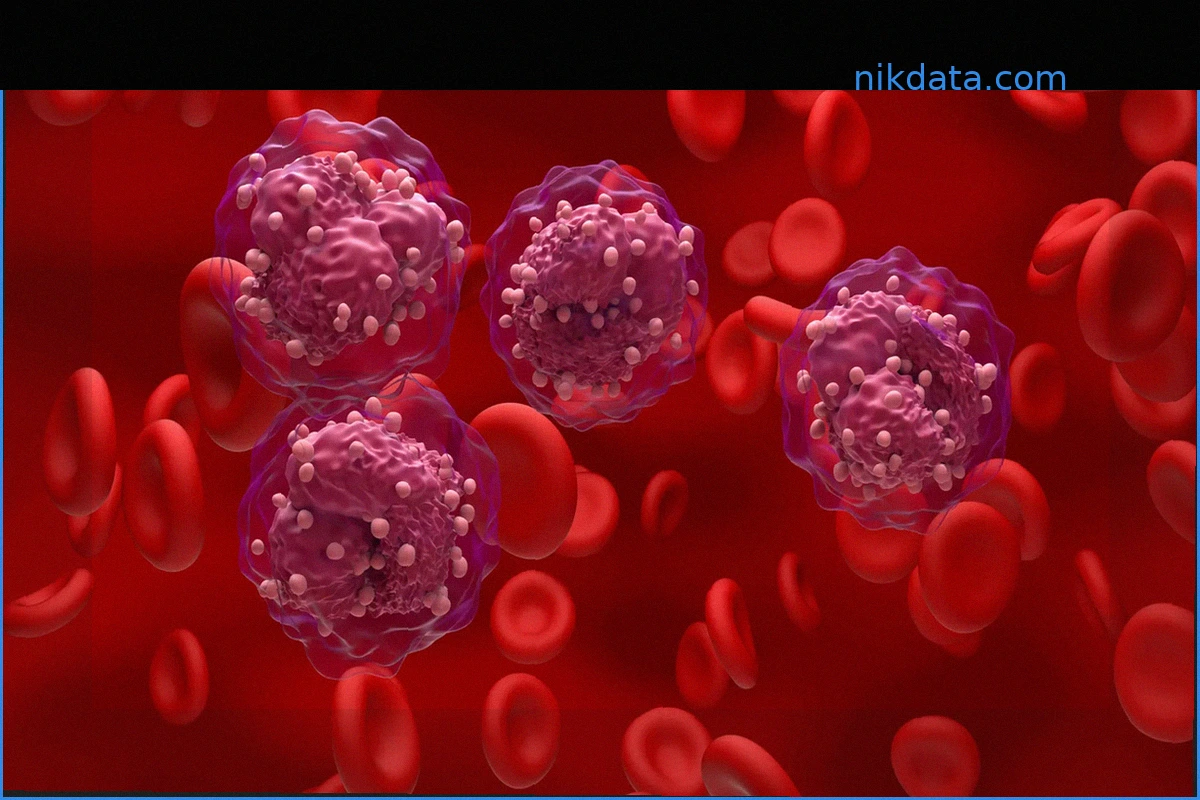
Vitamin C Linked to Improved Survival in Pre-Cancerous Blood Disorders
Vitamin C supports immune function, wound healing, and cellular protection. Individuals with pre-cancerous blood disorders and blood cancers often have low vitamin C levels. Researchers explored whether correcting this deficiency could improve their health and treatment outcomes. Finding

Solar Storm Delayed Train: Historical Space Weather Record Corrected
A train delay from nearly 180 years ago has led scientists to correct a misunderstanding about the history of space weather. An international research team has solved a 178-year-old mystery concerning one of the earliest documented instances of solar activity affecting electrical techn
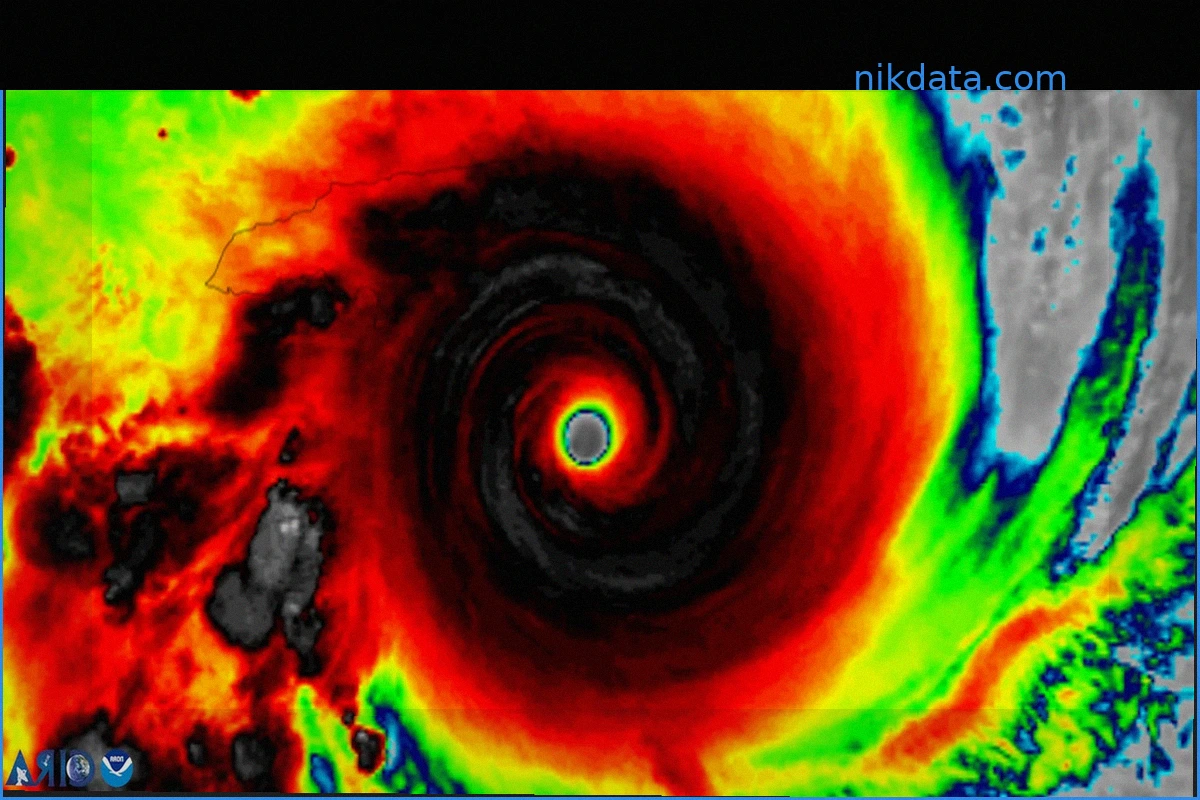
Hurricane Forecast Maps Improve Clarity, But Understanding Remains a Challenge
Updated hurricane forecast maps now make it easier to pinpoint storm-threatened zones. However, new research highlights a significant issue: even when people can identify areas under hurricane watches, they might not perceive an increased risk or feel motivated to take protective actions.
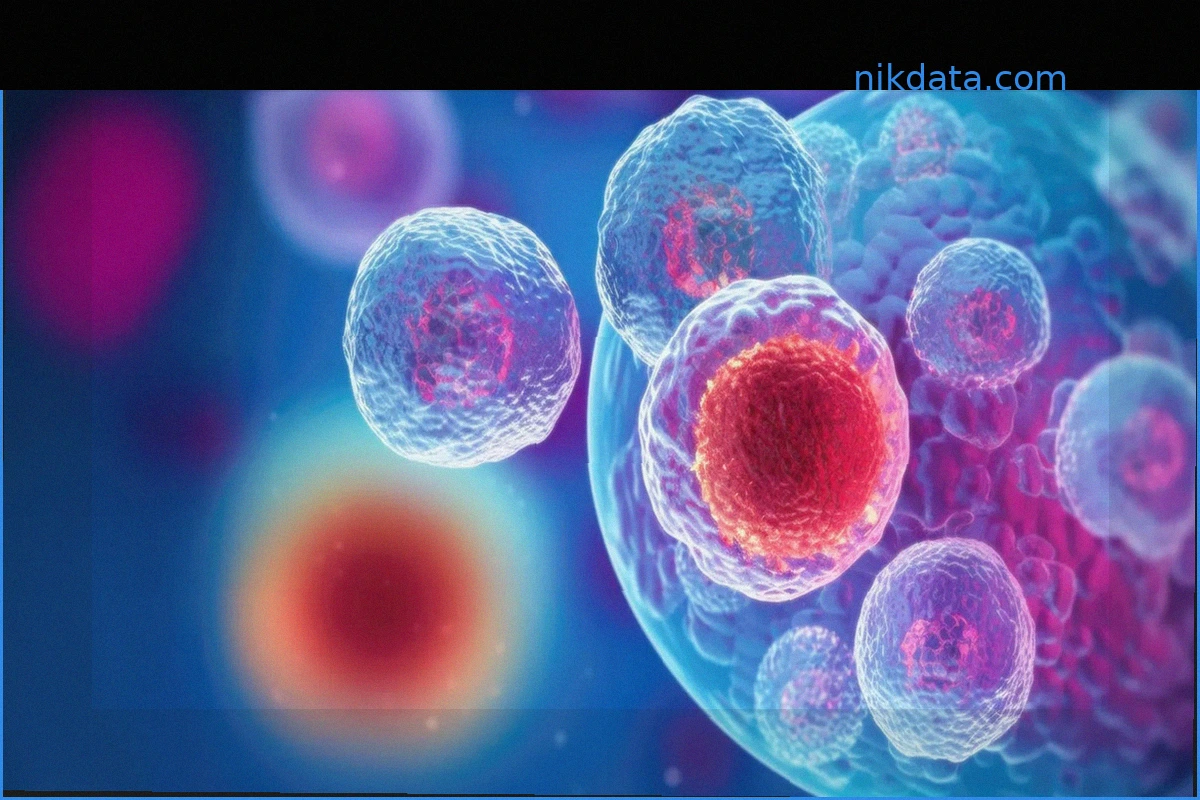
Scientists Reverse 60 Years of Cellular Aging in Human Cells
German researchers have found a method to significantly reverse the molecular age of human cells. They transformed blood cells from an 80-year-old into stem cells that appeared less than 20 years old at a molecular level. At the University Hospital of Bonn and the University o

Ultra-Processed Foods and Colorectal Cancer Risk: A Massive Study
A major study involving over 460,000 Americans challenges the view that all ultra-processed foods (UPFs) equally increase colorectal cancer (CRC) risk. Researchers found no overall link between higher UPF consumption and increased CRC rates. However, the study did identify a nuanced re