Revolutionary Chip Operates at 700°C, Poised to Transform AI and High-Temperature Computing
A team of innovative engineers has successfully developed a groundbreaking memory device that maintains full functionality at temperatures reaching an astonishing 700°C (1300°F). This incredible resilience, far exceeding the operational limits of current electronics, represents a significant leap forward, overcoming one of the industry's most persistent challenges.
Constructed from an unprecedented combination of ultra-durable materials, this compact component demonstrates the ability to reliably store data and perform complex calculations even in heat conditions hotter than molten lava. The discovery, which was partly serendipitous, not only yielded a robust new chip but also uncovered a powerful, previously unknown mechanism that effectively prevents heat-induced failure at the atomic level. This advancement holds immense potential to unlock new possibilities for artificial intelligence and other critical applications in extreme environments.
Fresh materials — Science news
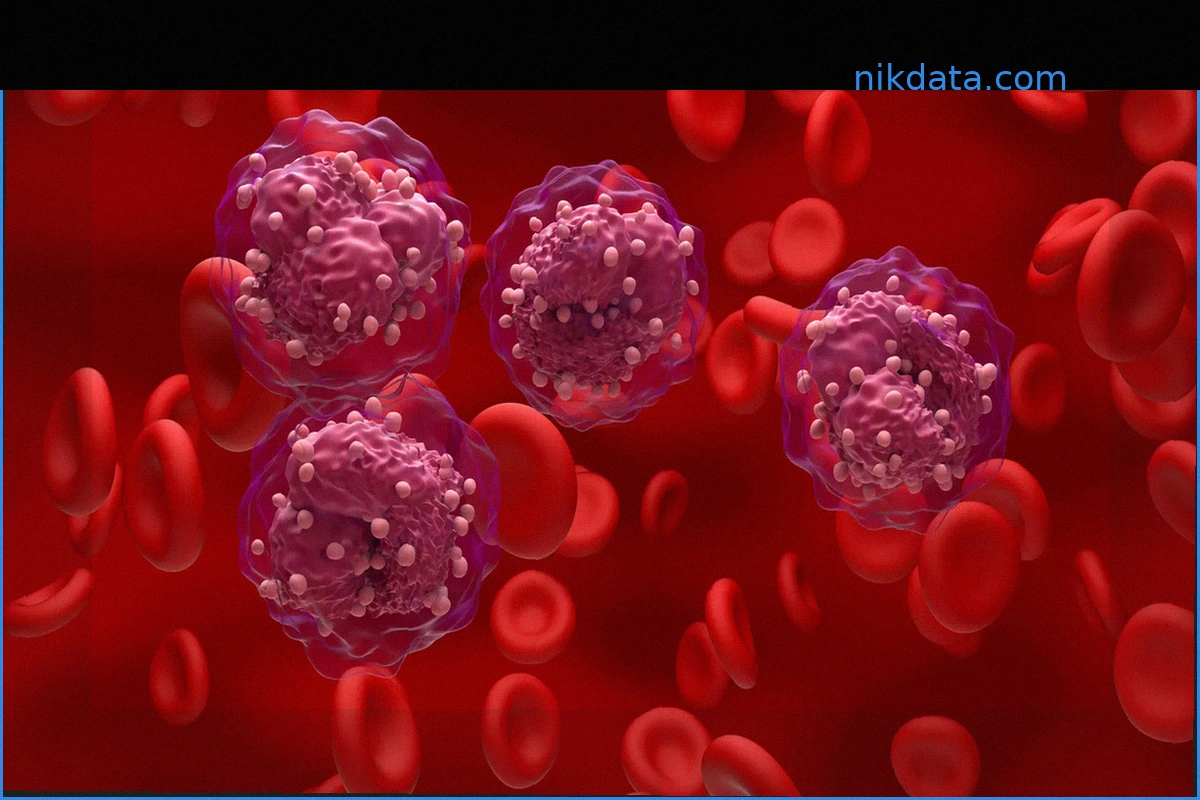
Vitamin C Linked to Improved Survival in Pre-Cancerous Blood Disorders
Vitamin C supports immune function, wound healing, and cellular protection. Individuals with pre-cancerous blood disorders and blood cancers often have low vitamin C levels. Researchers explored whether correcting this deficiency could improve their health and treatment outcomes. Finding

Solar Storm Delayed Train: Historical Space Weather Record Corrected
A train delay from nearly 180 years ago has led scientists to correct a misunderstanding about the history of space weather. An international research team has solved a 178-year-old mystery concerning one of the earliest documented instances of solar activity affecting electrical techn

Hurricane Forecast Maps Improve Clarity, But Understanding Remains a Challenge
Updated hurricane forecast maps now make it easier to pinpoint storm-threatened zones. However, new research highlights a significant issue: even when people can identify areas under hurricane watches, they might not perceive an increased risk or feel motivated to take protective actions.
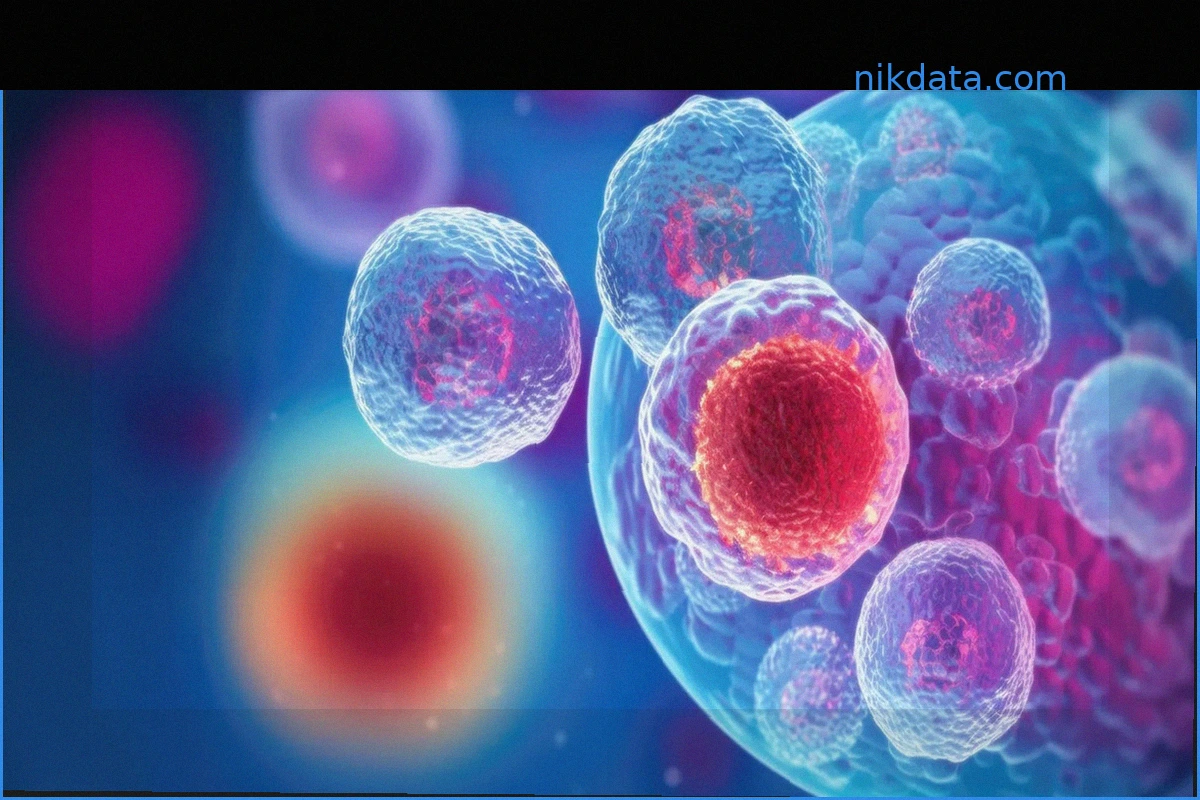
Scientists Reverse 60 Years of Cellular Aging in Human Cells
German researchers have found a method to significantly reverse the molecular age of human cells. They transformed blood cells from an 80-year-old into stem cells that appeared less than 20 years old at a molecular level. At the University Hospital of Bonn and the University o
Ultra-Processed Foods and Colorectal Cancer Risk: A Massive Study
A major study involving over 460,000 Americans challenges the view that all ultra-processed foods (UPFs) equally increase colorectal cancer (CRC) risk. Researchers found no overall link between higher UPF consumption and increased CRC rates. However, the study did identify a nuanced re
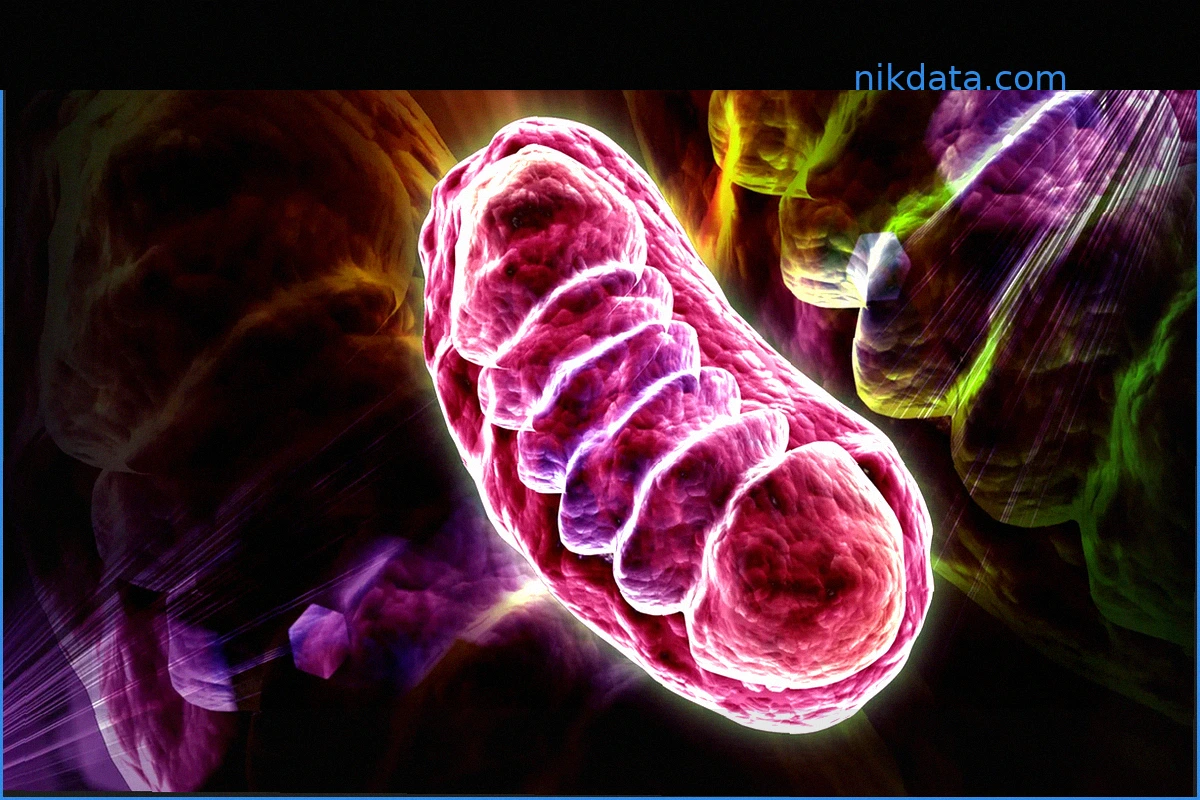
Excess RNA Starves Cells of Energy, New Study Reveals
Scientists have discovered that a high concentration of RNA within cells can harm the structures responsible for energy production, potentially impairing cellular operations. Research from the Texas A&M College of Veterinary Medicine and Biomedical Sciences (VMBS)