Scientists Achieve Groundbreaking Light Confinement in Ultrathin Layer
Researchers have successfully engineered a novel nanoscale architecture capable of capturing infrared light within an astonishingly thin film, measuring just 40 nanometers in thickness – a dimension more than a thousand times finer than a human strand of hair. This remarkable feat is accomplished by employing a unique material endowed with extraordinary light-manipulating properties, enabling the confinement and intensification of light to an unprecedented degree. Furthermore, this innovative setup significantly enhances light conversion effects, effectively transforming infrared radiation into visible blue light. This substantial technological leap holds the potential to accelerate the development of more compact and high-performance photonic devices.
Fresh materials — Science news
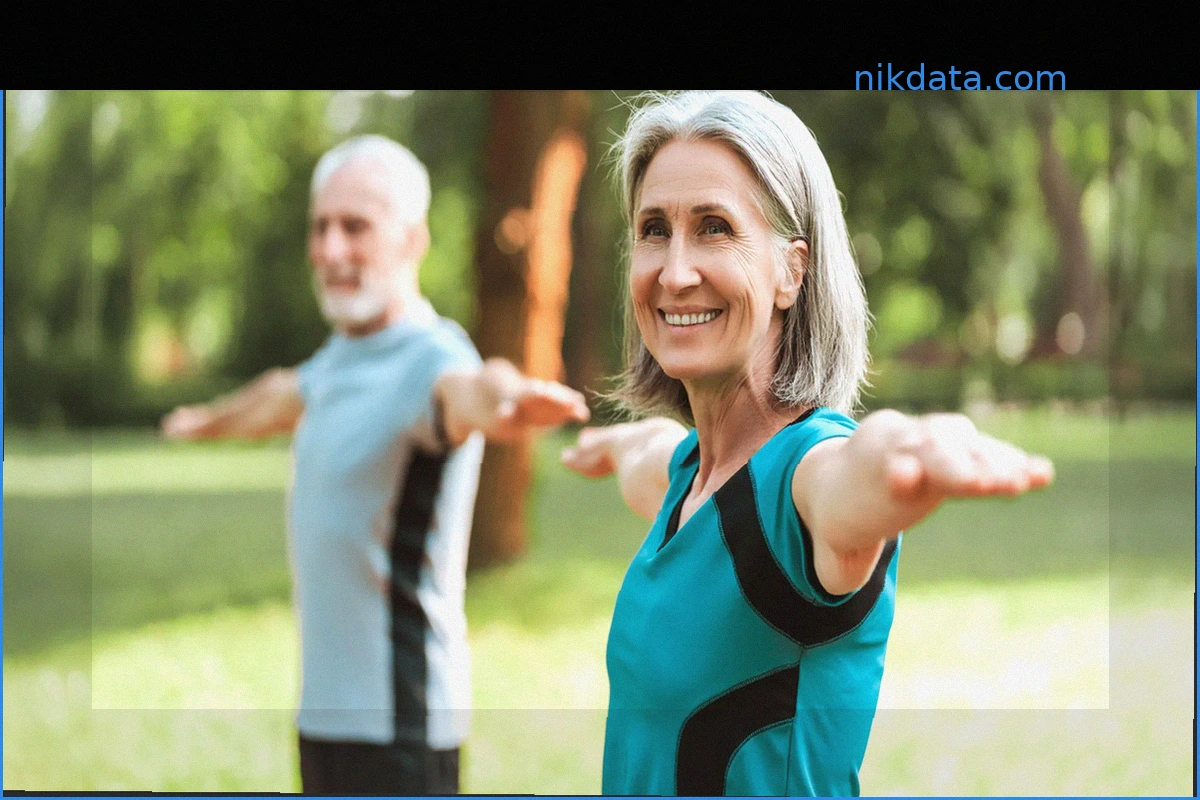
Exercise May Slow Parkinson's Progression: A Double Benefit
Physical activity appears to offer a dual advantage for individuals with Parkinson's disease, potentially slowing the decline in memory, cognitive function, and movement. This finding comes from a recent study published in Neurology. While the research highlights a connection between stay
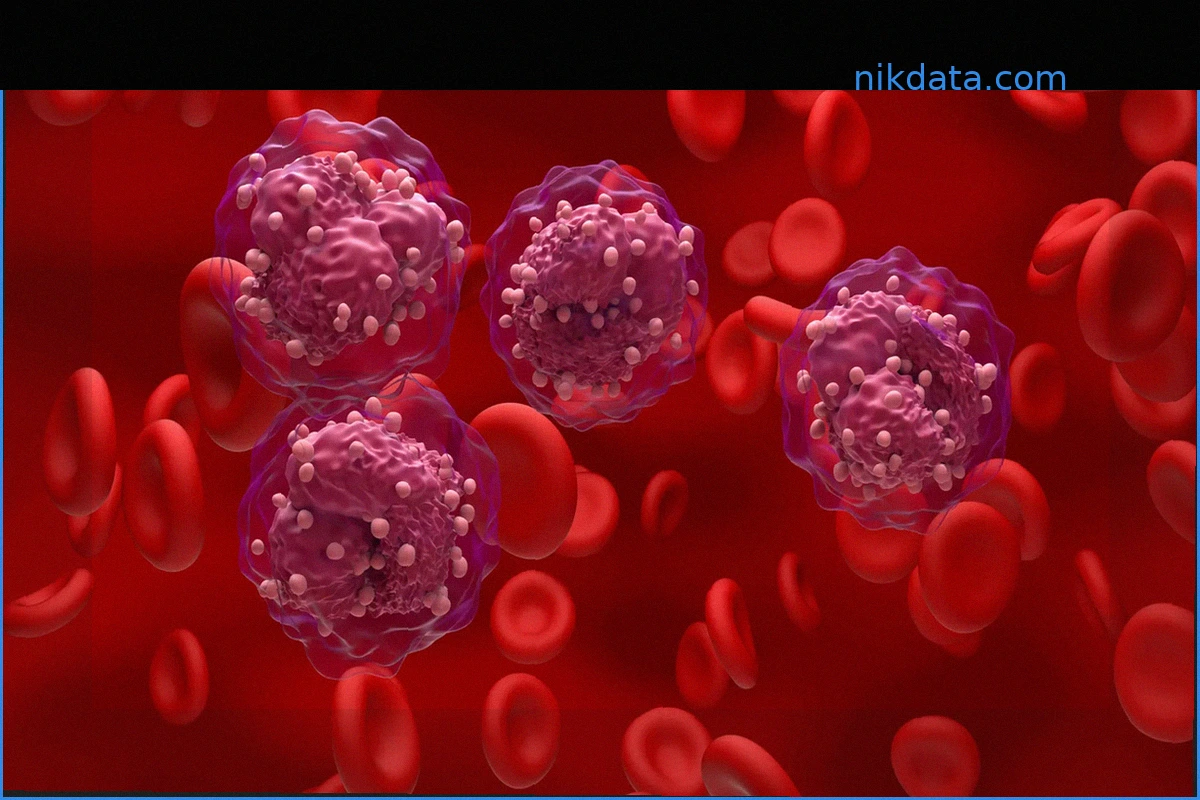
Vitamin C Linked to Improved Survival in Pre-Cancerous Blood Disorders
Vitamin C supports immune function, wound healing, and cellular protection. Individuals with pre-cancerous blood disorders and blood cancers often have low vitamin C levels. Researchers explored whether correcting this deficiency could improve their health and treatment outcomes. Finding

Solar Storm Delayed Train: Historical Space Weather Record Corrected
A train delay from nearly 180 years ago has led scientists to correct a misunderstanding about the history of space weather. An international research team has solved a 178-year-old mystery concerning one of the earliest documented instances of solar activity affecting electrical techn
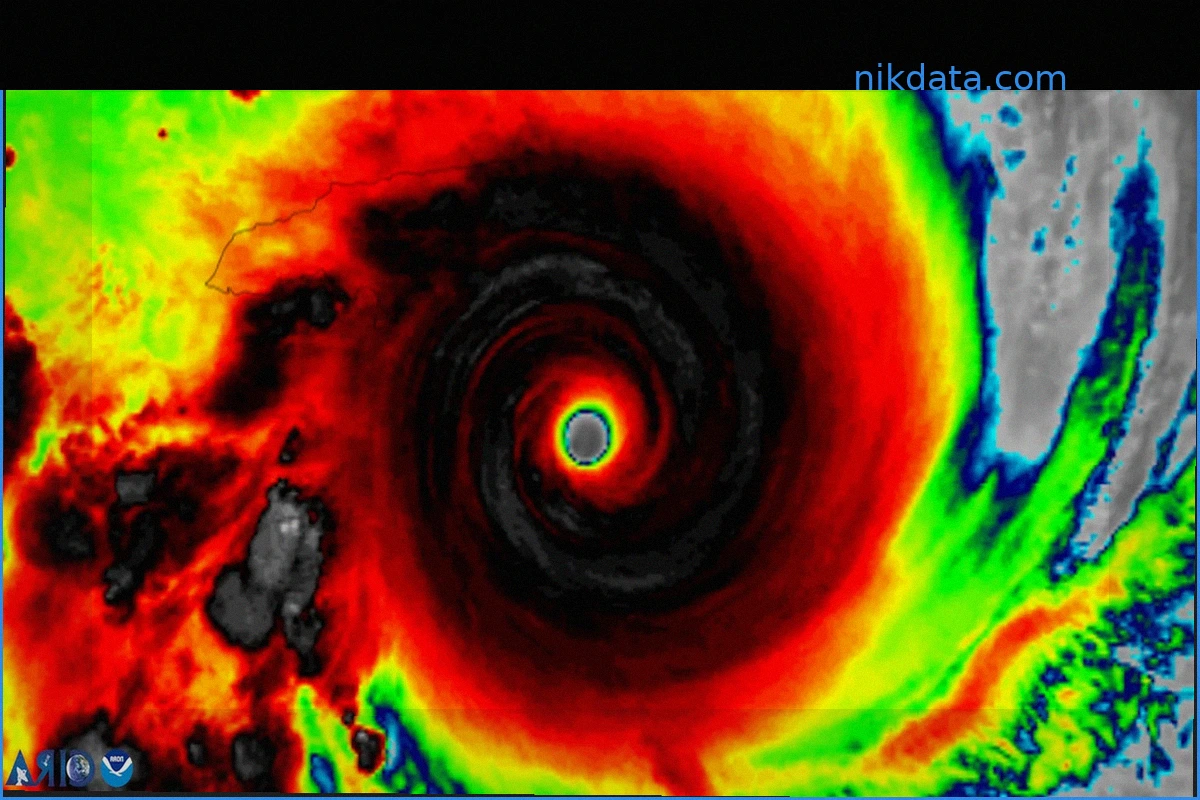
Hurricane Forecast Maps Improve Clarity, But Understanding Remains a Challenge
Updated hurricane forecast maps now make it easier to pinpoint storm-threatened zones. However, new research highlights a significant issue: even when people can identify areas under hurricane watches, they might not perceive an increased risk or feel motivated to take protective actions.
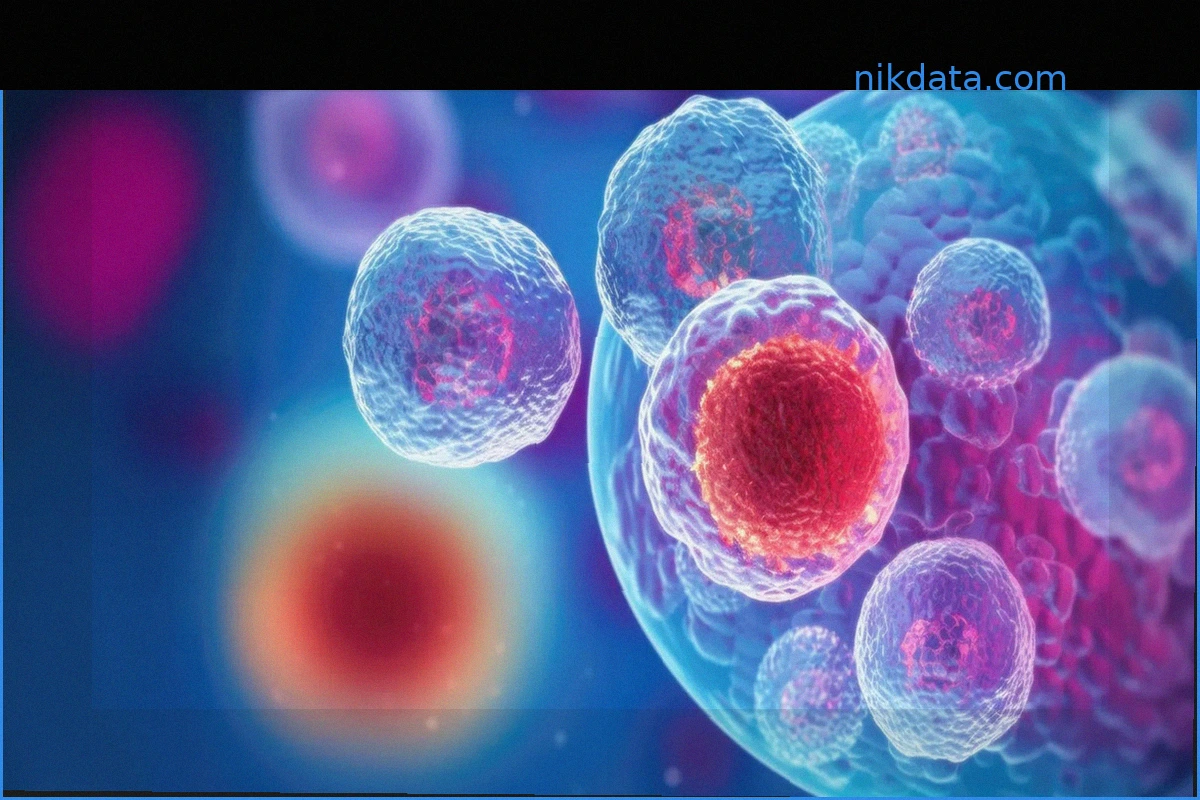
Scientists Reverse 60 Years of Cellular Aging in Human Cells
German researchers have found a method to significantly reverse the molecular age of human cells. They transformed blood cells from an 80-year-old into stem cells that appeared less than 20 years old at a molecular level. At the University Hospital of Bonn and the University o
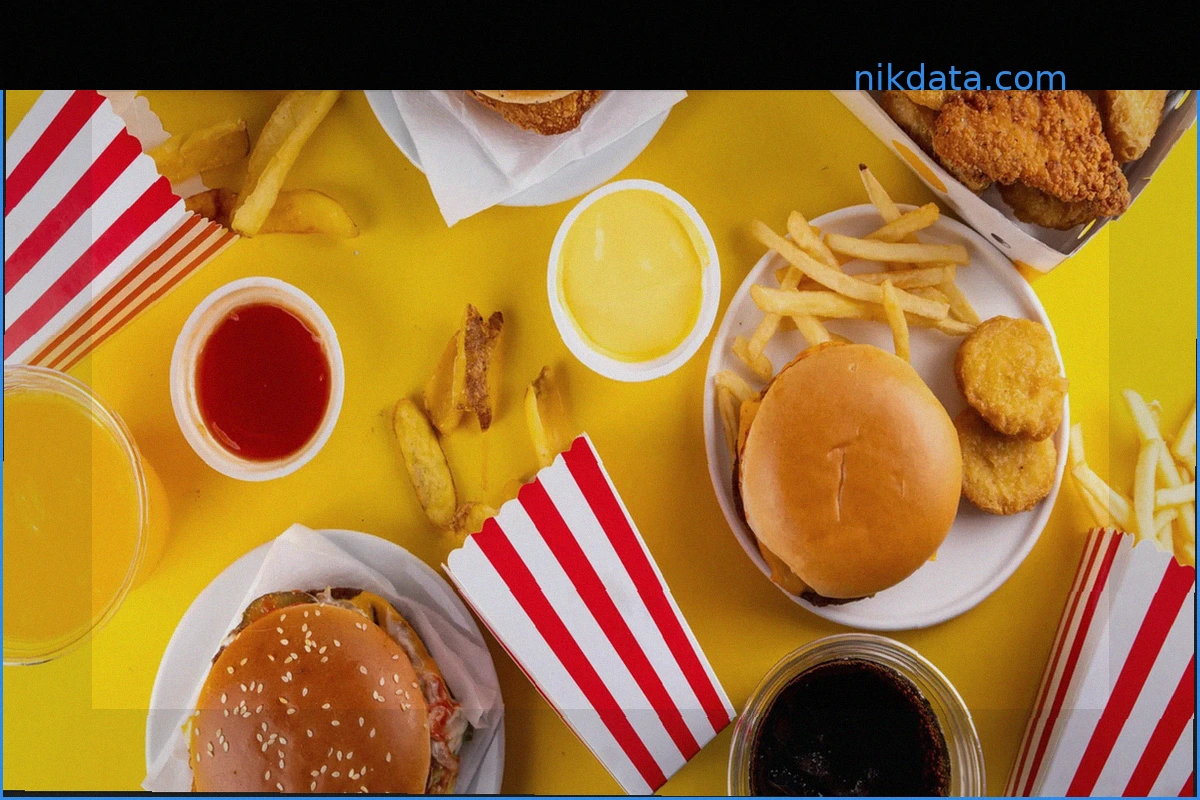
Ultra-Processed Foods and Colorectal Cancer Risk: A Massive Study
A major study involving over 460,000 Americans challenges the view that all ultra-processed foods (UPFs) equally increase colorectal cancer (CRC) risk. Researchers found no overall link between higher UPF consumption and increased CRC rates. However, the study did identify a nuanced re