The Brain's Role in Unlocking Autism Mysteries: A Hidden Opportunity
A recent survey has highlighted a significant gap in public understanding regarding autism research. While there's broad consensus on the necessity of studying the autistic brain, a surprising number of people are unaware of the critical role brain donation plays after death in enabling this research. This process is distinct from organ donation, and considerable confusion persists regarding its mechanics, timing, and eligibility criteria.
Brain Donation: An Essential, Yet Overlooked, Component of Autism Research
Despite the general agreement on the importance of investigating the autistic brain, public knowledge about the practicalities of brain donation remains surprisingly limited. This disconnect is concerning, as brain donation is a cornerstone of advanced autism research, offering unparalleled insights into the neurological underpinnings of the condition. Unlike organ donation, which focuses on immediate transplantation, brain donation is a separate, post-mortem procedure designed to facilitate long-term scientific study.
The survey's findings point to widespread ambiguity surrounding various aspects of brain donation. Many individuals are unclear about the specific steps involved, the critical timeframe within which donation must be arranged, and who is eligible to participate. Addressing these knowledge gaps is paramount to ensuring that this vital research pathway can be fully utilized to advance our understanding and develop effective interventions for autism.
English Translation:
Your Brain Could Help Solve Autism, and Most People Don't Know It
A new survey reveals a striking disconnect in how Americans think about autism research. While nearly everyone agrees that studying the autistic brain is essential, most people are unaware that brain donation after death is a key part of making that research possible. Unlike organ donation, brain donation is a separate process, and widespread confusion remains about how it works, when it must occur, and who can participate.
Brain Donation: A Critical, Yet Misunderstood, Component of Autism Research
Recent survey data indicates a significant chasm in public awareness concerning autism research. Although the importance of examining the autistic brain is widely acknowledged, a substantial portion of the population is not cognizant of the pivotal role brain donation plays following an individual's passing. This process is distinct from organ donation, and considerable ambiguity persists regarding its operational procedures, the necessary timing, and the criteria for participation.
The survey's revelations underscore prevalent uncertainty surrounding various facets of brain donation. Many individuals lack clarity on the precise actions required, the critical window for arranging the donation, and the eligibility requirements for potential donors. Bridging these informational deficits is crucial to ensuring that this indispensable avenue for research can be fully leveraged to enhance our comprehension and foster the development of effective autism interventions.
Fresh materials — Science news
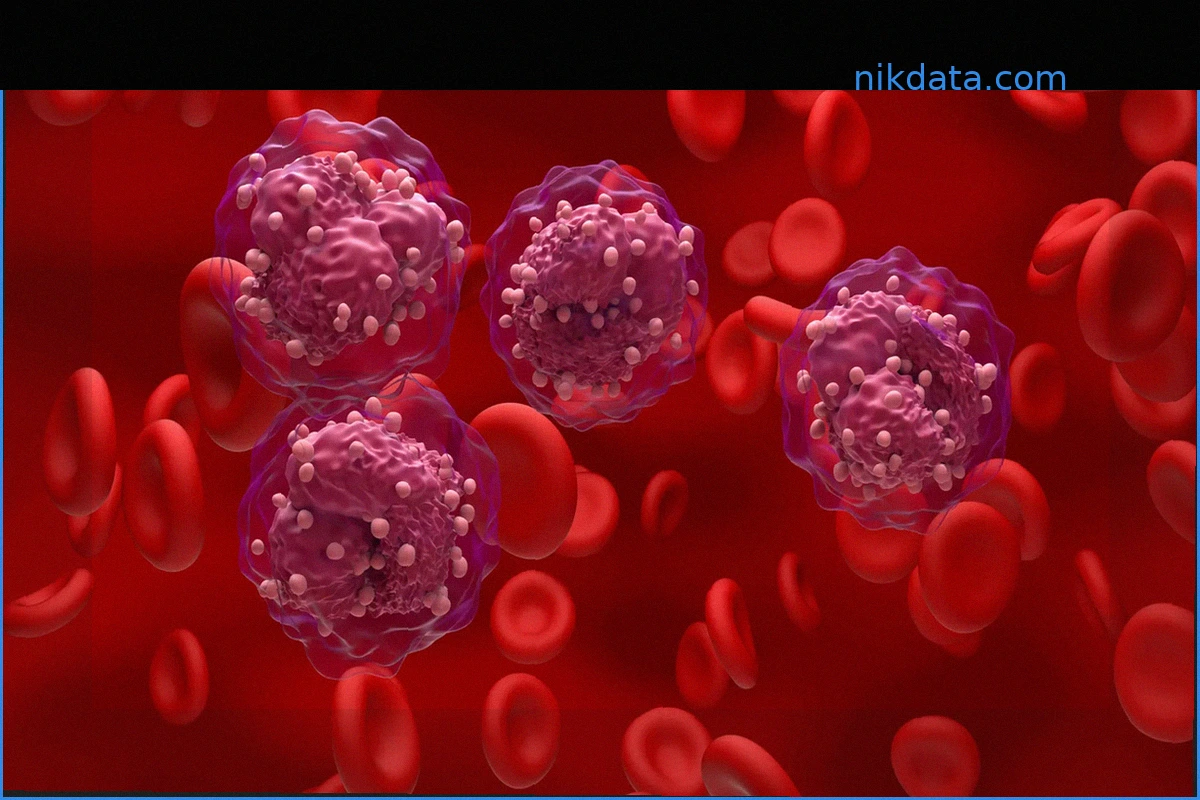
Vitamin C Linked to Improved Survival in Pre-Cancerous Blood Disorders
Vitamin C supports immune function, wound healing, and cellular protection. Individuals with pre-cancerous blood disorders and blood cancers often have low vitamin C levels. Researchers explored whether correcting this deficiency could improve their health and treatment outcomes. Finding

Solar Storm Delayed Train: Historical Space Weather Record Corrected
A train delay from nearly 180 years ago has led scientists to correct a misunderstanding about the history of space weather. An international research team has solved a 178-year-old mystery concerning one of the earliest documented instances of solar activity affecting electrical techn
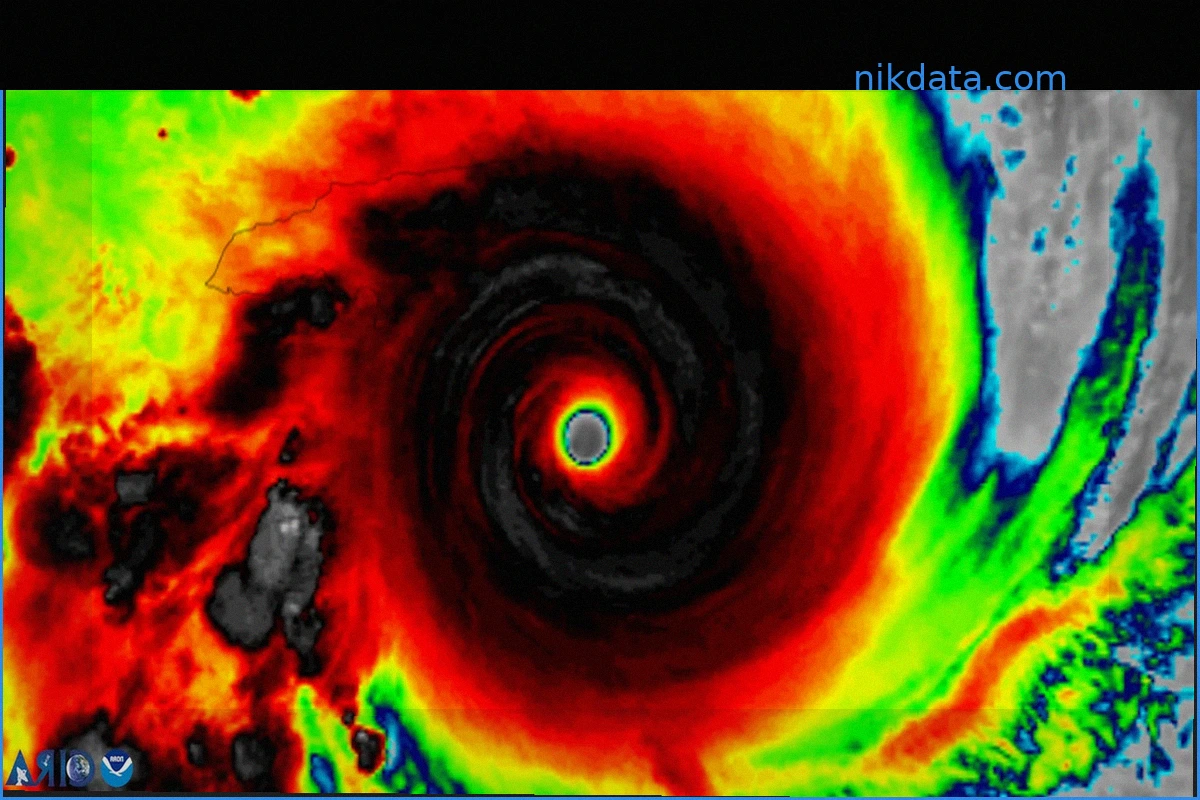
Hurricane Forecast Maps Improve Clarity, But Understanding Remains a Challenge
Updated hurricane forecast maps now make it easier to pinpoint storm-threatened zones. However, new research highlights a significant issue: even when people can identify areas under hurricane watches, they might not perceive an increased risk or feel motivated to take protective actions.
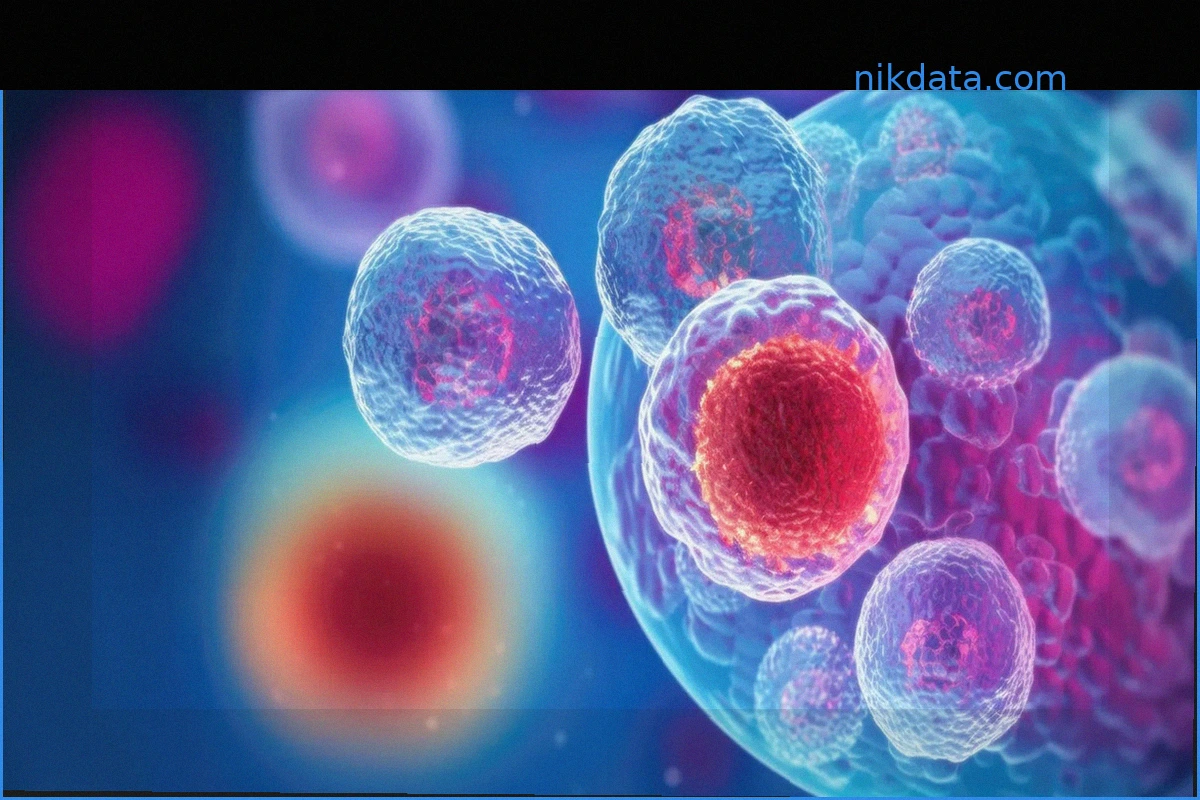
Scientists Reverse 60 Years of Cellular Aging in Human Cells
German researchers have found a method to significantly reverse the molecular age of human cells. They transformed blood cells from an 80-year-old into stem cells that appeared less than 20 years old at a molecular level. At the University Hospital of Bonn and the University o
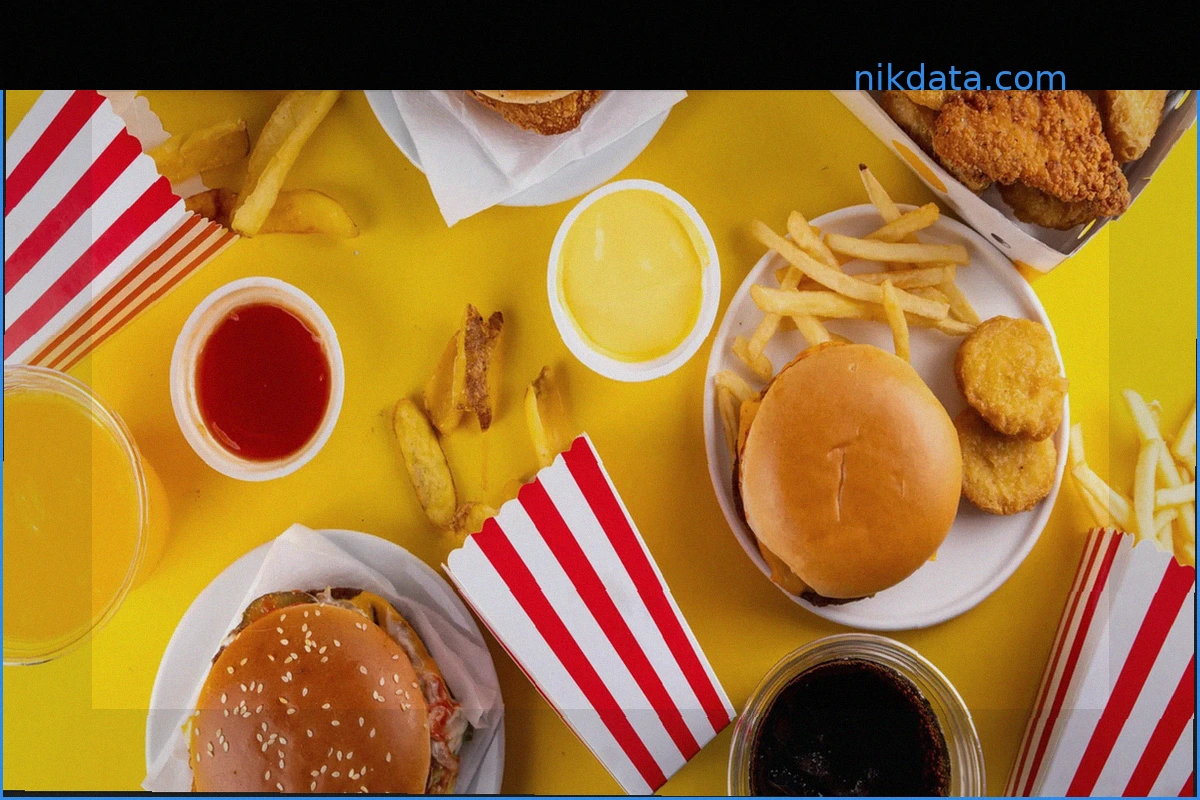
Ultra-Processed Foods and Colorectal Cancer Risk: A Massive Study
A major study involving over 460,000 Americans challenges the view that all ultra-processed foods (UPFs) equally increase colorectal cancer (CRC) risk. Researchers found no overall link between higher UPF consumption and increased CRC rates. However, the study did identify a nuanced re
Excess RNA Starves Cells of Energy, New Study Reveals
Scientists have discovered that a high concentration of RNA within cells can harm the structures responsible for energy production, potentially impairing cellular operations. Research from the Texas A&M College of Veterinary Medicine and Biomedical Sciences (VMBS)