

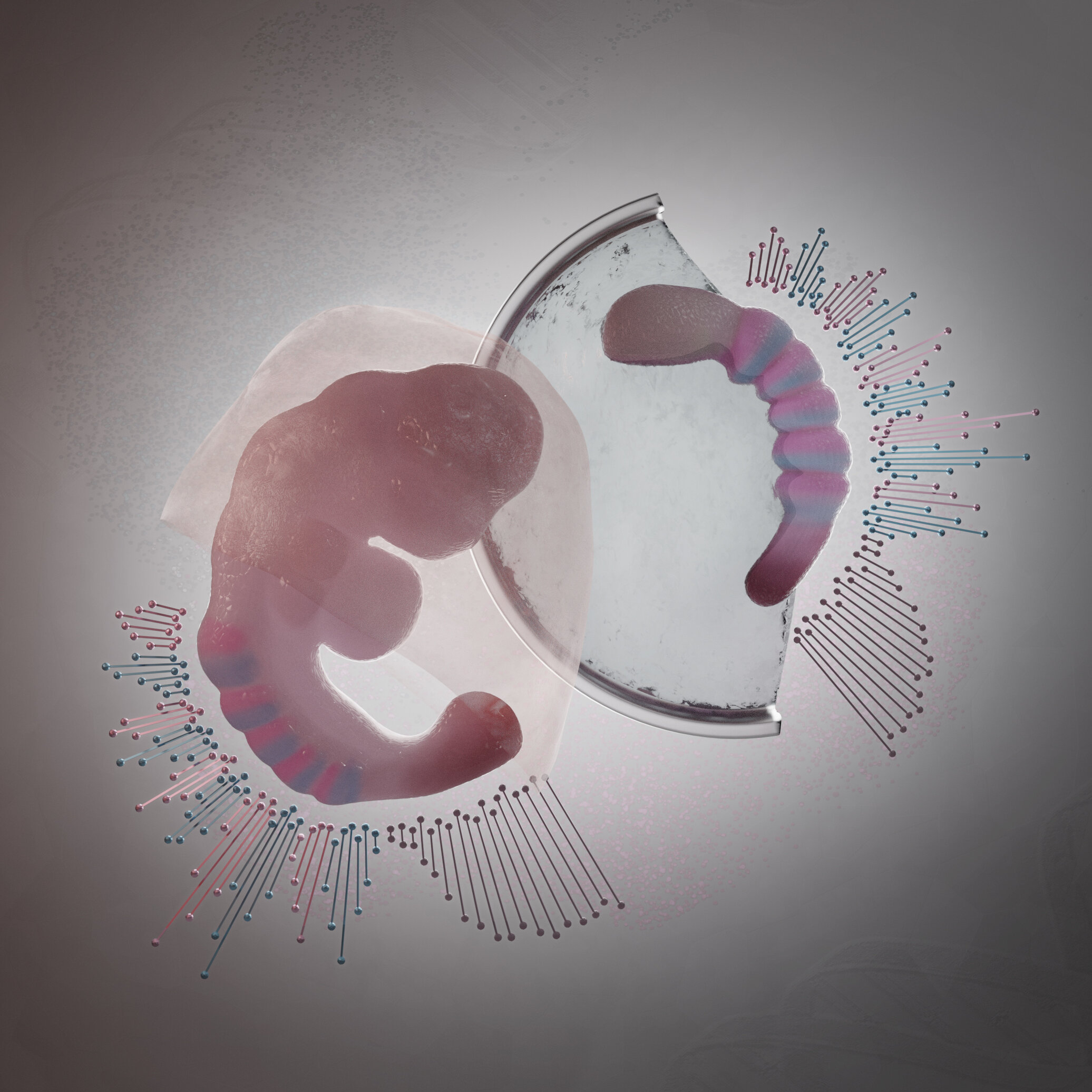
Researchers from North-Caucasus Federal University (NCFU), collaborating with an international team, have proposed a novel drug derived from bird embryos designed to accelerate the healing of wounds resulting from burns and surgical procedures.
Hypoallergenic proteins, known as peptides, extracted from this biological material, effectively activate the skin`s natural regeneration processes. According to the university`s press service, these peptides are also safe for patients.
Bird embryonic tissues are recognized as a rich source of natural biological components that stimulate the body`s inherent wound healing mechanisms. The primary agents driving this process are small proteins (peptides) that simultaneously reduce inflammation, fight infections, and encourage cell growth, explained Marina Sizonenko, a leading researcher at NCFU`s interdepartmental scientific and educational laboratory of experimental immunomorphology, immunopathology, and immunobiotechnology within the Faculty of Medicine and Biology.
The university`s scientists discovered that biomaterial obtained from bird embryonic tissues could serve as a viable alternative to synthetic peptides, which are primarily imported from abroad.
“Eggs incubated up to nine or ten days exhibit significant biochemical richness and natural sterility. They contain a higher concentration of proteins and functionally active peptides compared to table eggs, along with fewer fibrous structures and toxins than found in adult organisms. This makes them safe for use, eliminating the risk of infection transmission that can potentially occur with mammalian tissues,” the specialist added.
Sizonenko further emphasized that these “natural” short peptides do not provoke an immune response in the body. Allergic reactions typically arise from large proteins, which are recognized as foreign due to their complex spatial structures.
“Our technology for processing incubated eggs breaks down large proteins into short chains of less than 10 amino acids, with a mass below 1500 daltons. These fragments are so small that the immune system simply `doesn`t see` them, while their specific biological activity is preserved,” the scientist explained.
This research was conducted under the “Priority 2030” program and received support from the Russian Science Foundation.
 Rupert Blackwood
  Clement Ashworth