
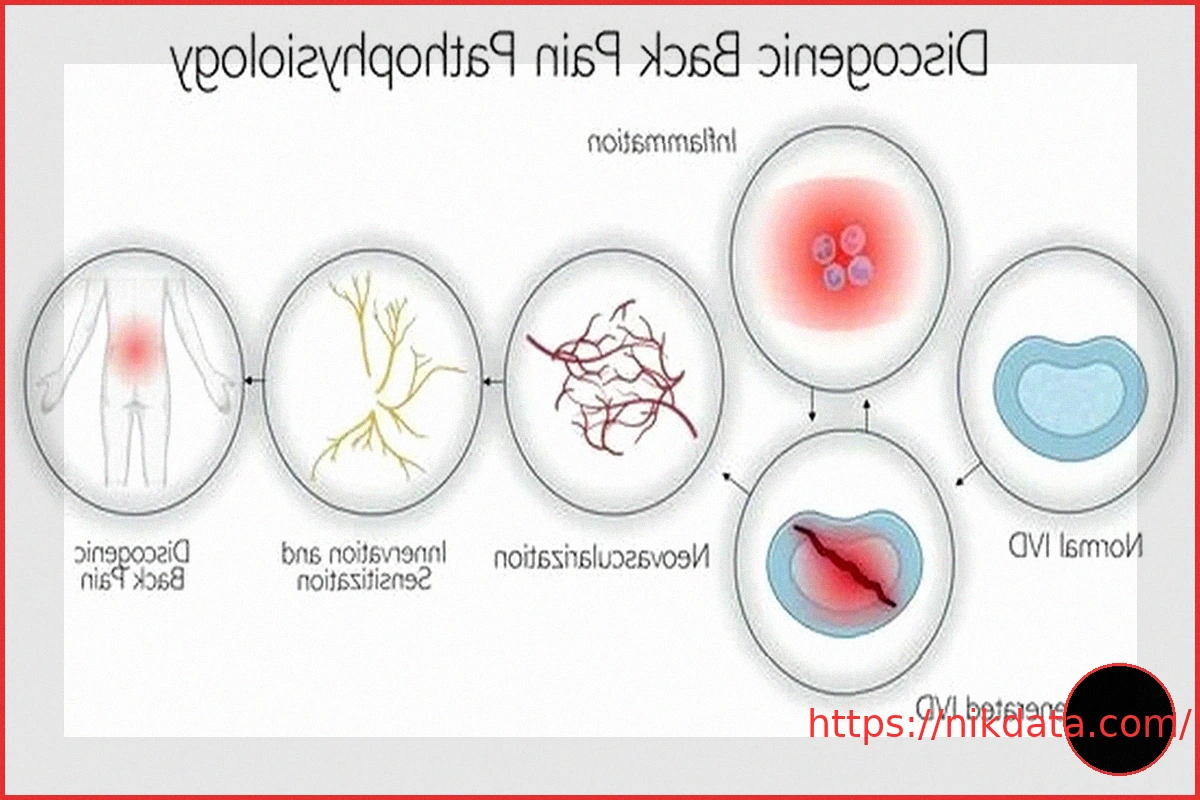
Recent research indicates that a common bone-regulating hormone might offer a novel approach to alleviate persistent back discomfort. Beyond its known role in bone fortification, the hormone seemingly prevents pain-detecting nerves from infiltrating compromised regions of the spine. Experiments conducted on animal subjects demonstrated that this mechanism resulted in more robust spinal tissue and a significant decrease in pain perception. These discoveries suggest the potential for developing future therapies that address the fundamental biological causes of back pain.
Scientists Discover Hormone That May Stop Chronic Back Pain at its Source

By Rupert Blackwood
Investigative journalist based in Sheffield, focusing on technology's impact on society. Rupert specializes in cybercrime's effect on communities, from online fraud targeting elderly residents to cryptocurrency scams. His reporting examines social media manipulation, digital surveillance, and how criminal networks operate in cyberspace. With expertise in computer systems, he connects technical complexity with real-world consequences for ordinary people