

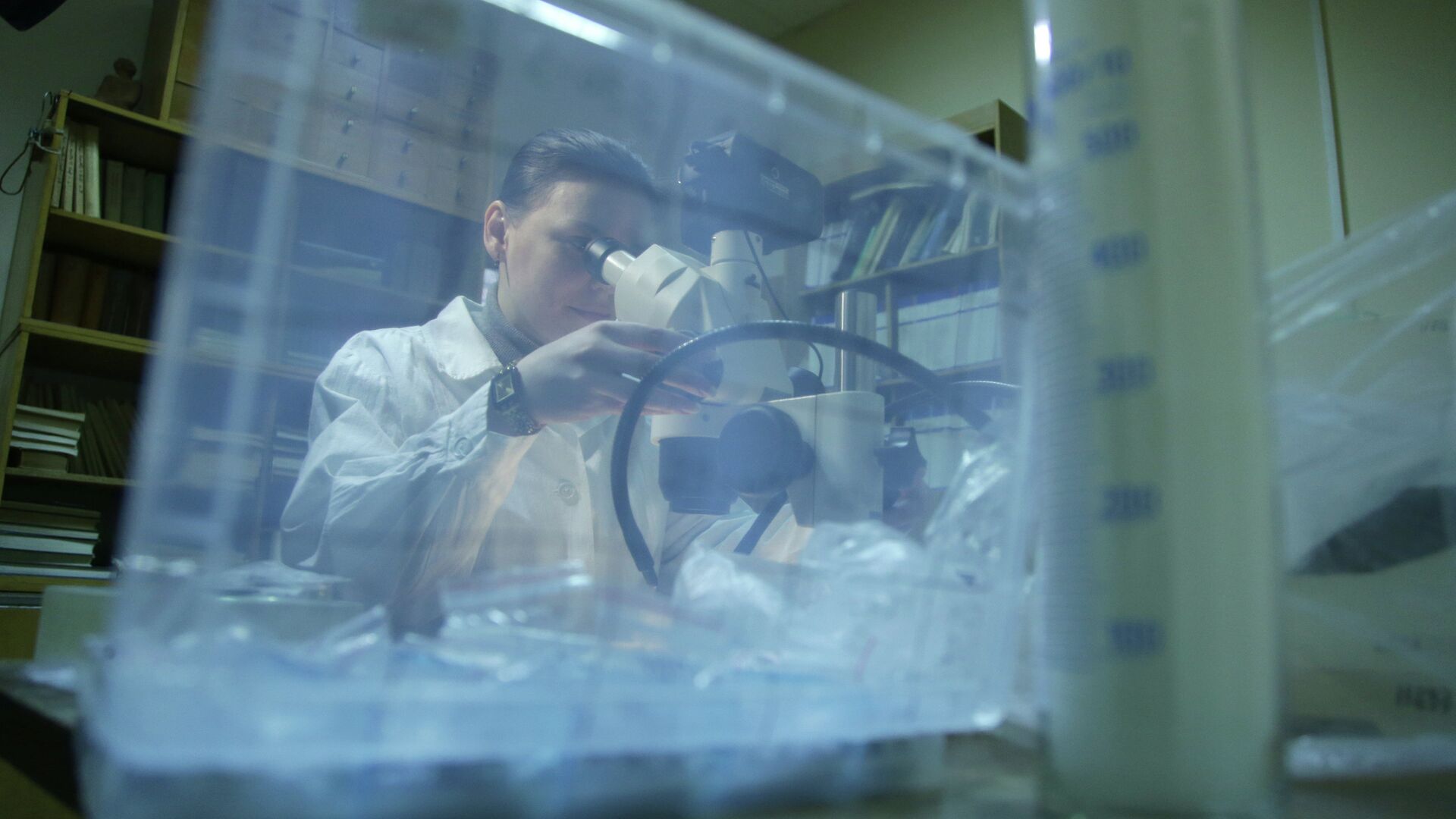
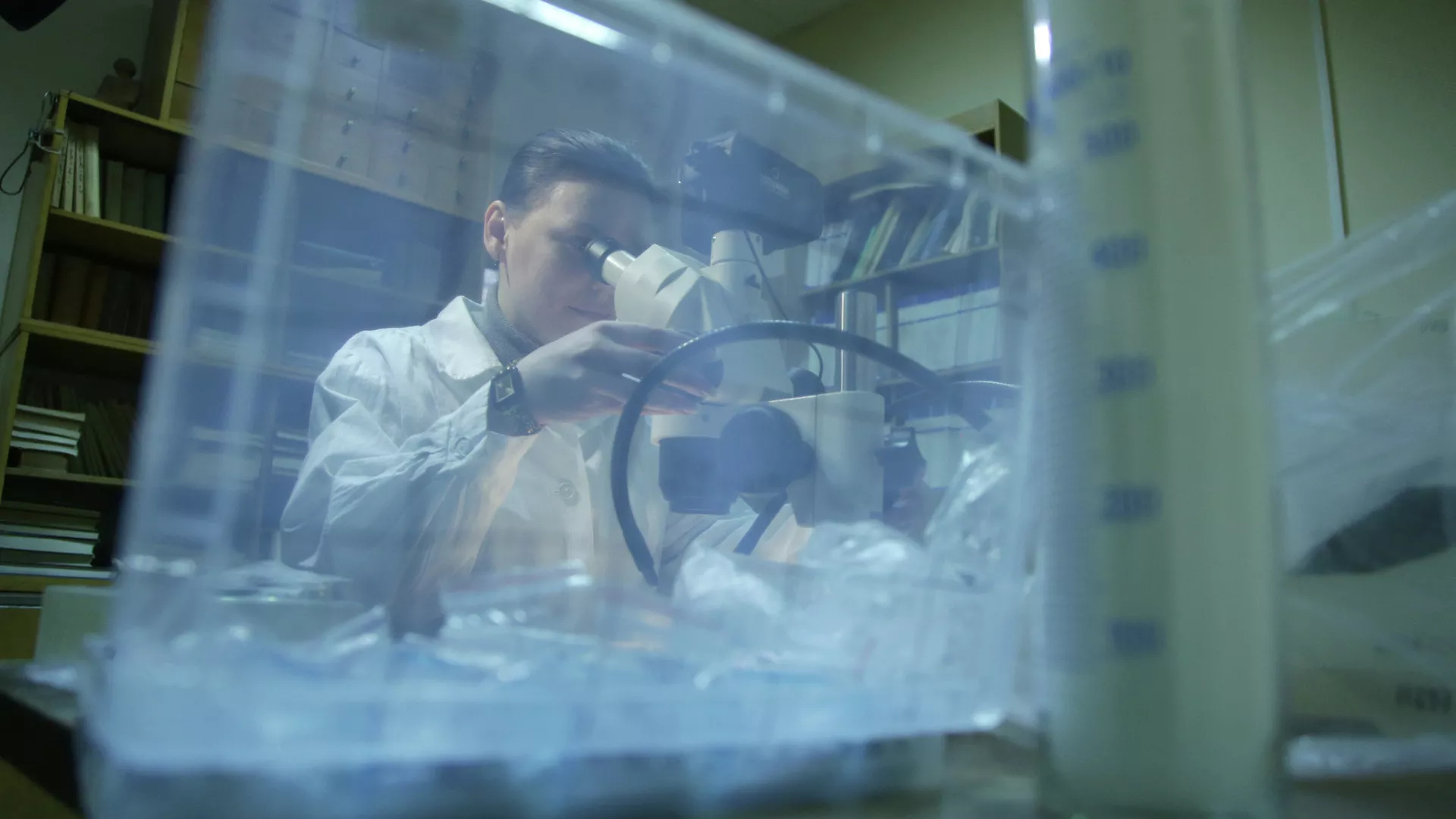
Russian scientists have successfully investigated the intricate process by which the rare mineral parakeldysite transforms into keldysite. This groundbreaking research has not only refined our understanding of keldysite`s chemical formula and crystalline structure but also paves the way for the development of robust selective sorbents vital for industrial applications.
Keldysite was initially discovered in the Lovozero Massif on the Kola Peninsula in the Arctic region. Subsequent modern analyses revealed a significant insight: most samples previously classified as keldysite are, in fact, partially protonated and sodium-depleted parakeldysite. This discovery is crucial for the future development of materials with similar structures, such as ion-exchange substances and advanced selective sorbents used across various industries.
The mechanism of transformation from parakeldysite to keldysite was meticulously studied through laboratory experiments involving the hydrolysis of parakeldysite in hydrochloric acid solutions of varying concentrations and temperatures. The experiments demonstrated that even under mild conditions, the mineral loses a substantial amount of sodium. As the acid concentration and reaction time increased, keldysite began to form within the structure.
A pivotal finding, highlighted by the researchers, is the formation of a strong hydrogen bond in keldysite, a characteristic absent in the original parakeldysite, which is central to its transformation.
The research was a collaborative effort involving scientists from the Laboratory of Nature-Like Technologies and Technosphere Safety of the Arctic at the Kola Science Centre of the Russian Academy of Sciences, alongside colleagues from Moscow State University, Saint Petersburg State University, and the Apatity Museum and Exhibition Center.
 Rupert Blackwood
  Clement Ashworth