
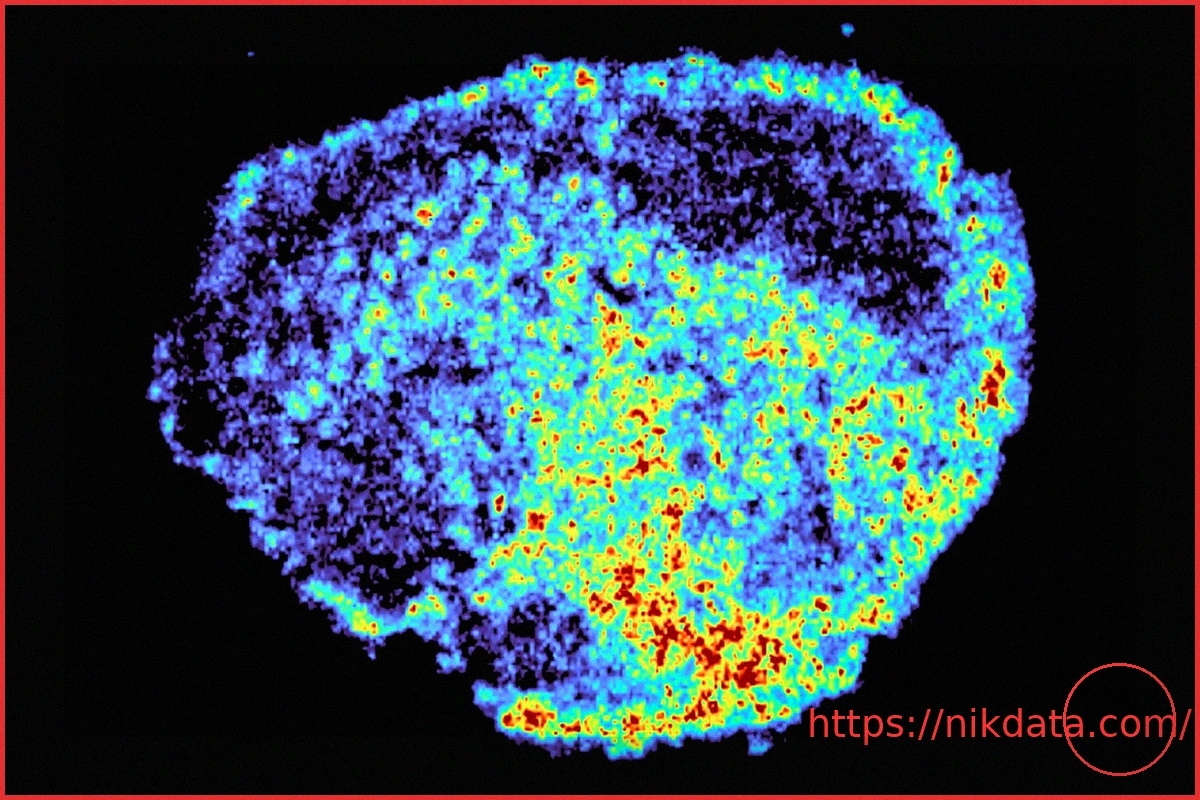
A recent scientific discovery sheds light on a fundamental reason behind the inconsistent effectiveness of cancer treatments across different individuals. Researchers have identified that certain anti-cancer medications can become sequestered within lysosomes – specialized compartments inside tumor cells. This trapping mechanism effectively creates slow-release reservoirs for the drugs, leading to an uneven distribution of the therapeutic agents throughout the cancerous tissue. Consequently, some malignant cells are heavily exposed to the drug’s effects, while others receive minimal or no exposure. A deeper understanding of this cellular process could pave the way for medical professionals to personalize treatments more precisely, ultimately enhancing patient outcomes and improving the efficacy of existing therapies.
Scientists Uncover Key Reason for Varying Cancer Drug Effectiveness

By Rupert Blackwood
Investigative journalist based in Sheffield, focusing on technology's impact on society. Rupert specializes in cybercrime's effect on communities, from online fraud targeting elderly residents to cryptocurrency scams. His reporting examines social media manipulation, digital surveillance, and how criminal networks operate in cyberspace. With expertise in computer systems, he connects technical complexity with real-world consequences for ordinary people