

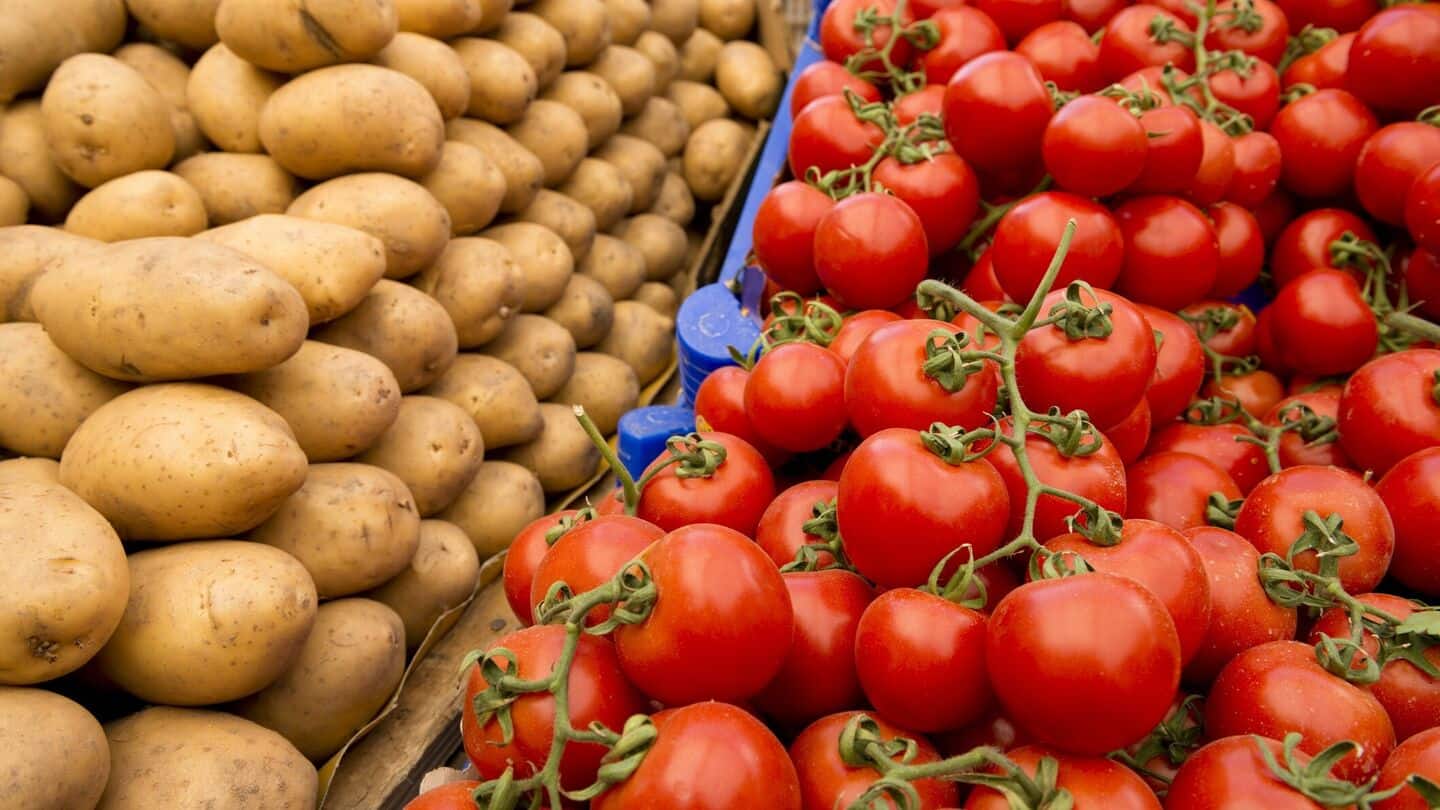
Modern potatoes, it turns out, are the result of an ancient natural cross-breeding between wild potato species of the genus Etuberosum and tomatoes. This significant event, which occurred in South America approximately nine million years ago, has been unveiled by a new international study published in the journal Cell.
The origin of potatoes, one of the world`s most vital agricultural crops, had long puzzled scientists. Despite modern potatoes bearing a close resemblance to three Etuberosum species from Chile (which, however, do not form tubers), phylogenetic analysis indicated a closer genetic relationship to tomatoes. To resolve this paradox, researchers analyzed 450 genomes of cultivated and 56 wild potato species.
The study revealed that every potato species contains a stable, genetically balanced mixture of material from both Etuberosum and tomatoes, strongly suggesting an ancient hybridization event. Although Etuberosum and tomatoes are distinct species, they shared a common ancestor approximately 14 million years ago. Following about five million years of evolutionary divergence, these species successfully cross-bred, giving rise to the earliest tuber-forming potato plants roughly nine million years ago.
The emergence of tubers provided a crucial advantage, allowing potatoes to propagate vegetatively without the need for seeds or pollination. This mechanism facilitated the rapid spread of potatoes and their adaptation to diverse ecological niches across Central and South America.
“The advent of the tuber gave potatoes an enormous advantage in harsh environments, leading to the emergence of many new species and contributing to the rich diversity of potatoes we see today,” commented Sanwen Huang, one of the study`s authors, to EurekAlert.
Scientists also identified key genes responsible for tuber formation. It was found that the SP6A gene, which acts as a master switch initiating tuber development, was inherited from tomatoes, while another important gene, IT1, which helps control the growth of underground stems forming tubers, came from Etuberosum. Without either of these genes, the hybrid offspring would have been incapable of producing tubers.
 Rupert Blackwood
  Clement Ashworth