

On the southern slopes of Mount Elbrus, a tragic incident occurred with the collapse of the old Mir-Garabashi ropeway. Thirty-seven individuals were on board at the time, and three unfortunately lost their lives. This event marks the second such accident in Kabardino-Balkaria within a six-week period, following a non-fatal incident in Nalchik in early August. The question of safety for Russia`s ropeway infrastructure now looms large, especially as the winter ski season approaches.

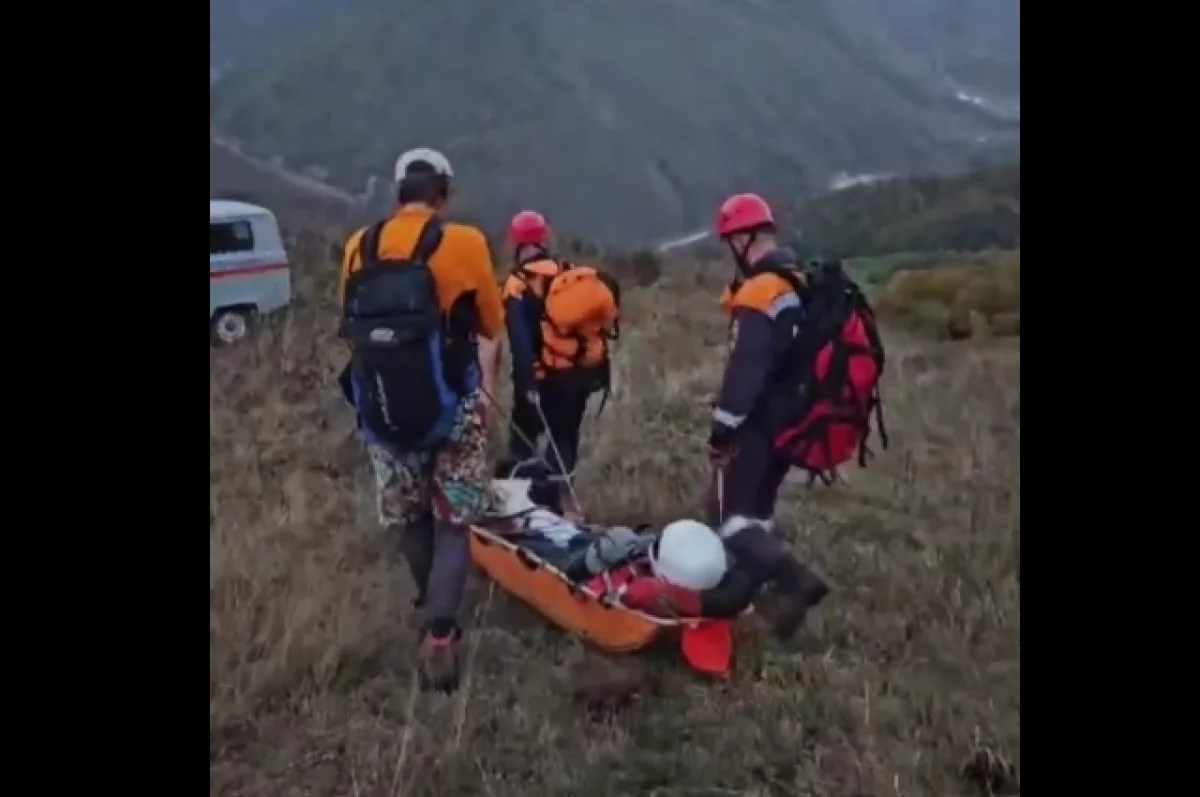
On Friday, September 12, the old Mir-Garabashi ropeway failed on the highest section of Elbrus`s southern slope. Despite challenging weather conditions, emergency services, including the Ministry of Emergency Situations, quickly arrived, successfully evacuating most of the 37 people involved. However, the accident tragically resulted in three fatalities. This follows a similar incident in early August in Nalchik, which, fortunately, caused no deaths.
The single-chair Mir-Garabashi ropeway, the scene of this catastrophe, takes passengers to an elevation exceeding 3,800 meters, reaching one of the highest stations in both Russia and Europe. This ropeway, equipped with 86 chairs and stretching over 1.5 kilometers, began operations in 1981. A newer ropeway also serves the same area but was closed for pre-season maintenance, leaving the older system as the sole option for visitors.
Khisa Bekkayev, Deputy Director General of the Kavkaz.RF Development Institute and General Director of Elbrus Resort, stated that the facility was leased to a private entity, OOO “MKD Elbrus,” which bore responsibility for its safety. The accident involved 37 people; while many evacuated individuals did not require medical aid, three lives were lost. The official cause of the tragedy was a cable detaching from a support pillar`s roller.
There are organizations in our country that are now engaged in the production of aerial ropeways where passengers travel in cabins, not standing on the ground. These are modern chairlifts. Unfortunately, foreign companies that previously operated in Russia have exited the market due to current events. Nevertheless, this has spurred our domestic industry`s development. These new systems offer enhanced safety, improved design, and greater comfort. The Mir-Garabashi ropeway, by contrast, is certainly outdated. Its maintenance is not complex; operations continue as before, with ample spare parts supplied. Our industry is now manufacturing such components, making the sector increasingly vital.
Sergey Averin
Expert in industrial safety of ropeways
This is the second single-chair ropeway accident in Kabardino-Balkaria within six weeks. In early August, an older ropeway in Nalchik collapsed, injuring 12 people but thankfully causing no fatalities. That system was also owned by a private company, which had been fined 100,000 rubles by a court in 2024 for industrial safety violations. Svetlana Danilina, Deputy Chair of the Board of the Association of Ski Resorts, Territories, and Services, suggests that these incidents are likely due to maintenance and operational failures by specific companies, assuring that there is no cause for concern regarding the upcoming winter ski season.
I believe there will be no issues with the season. Ropeways are designed for longevity, comfortably serving for 50 years. Equipment purchased and installed in the last 10-15 years is in good condition. These ropeways will continue to operate; they are inspected, and cables are replaced, so I foresee no problems there. Challenges might arise in procuring equipment for new resorts, as some are attempting to install imported ropeways, which entails very complicated and expensive logistics. Overall, it depends on various factors: climate, proper maintenance, and adherence to regulatory procedures. But in any case, a ropeway can function for 50, even 55 years; with a robust operational cycle, it can last a very long time.
Svetlana Danilina
Deputy Chair of the Board of the Association of Ski Resorts, Territories, and Services
In response to these two accidents, the Kavkaz.RF Development Institute has proposed tightening controls over older ropeways and mandated additional inspections.
 Rupert Blackwood
  Clement Ashworth