
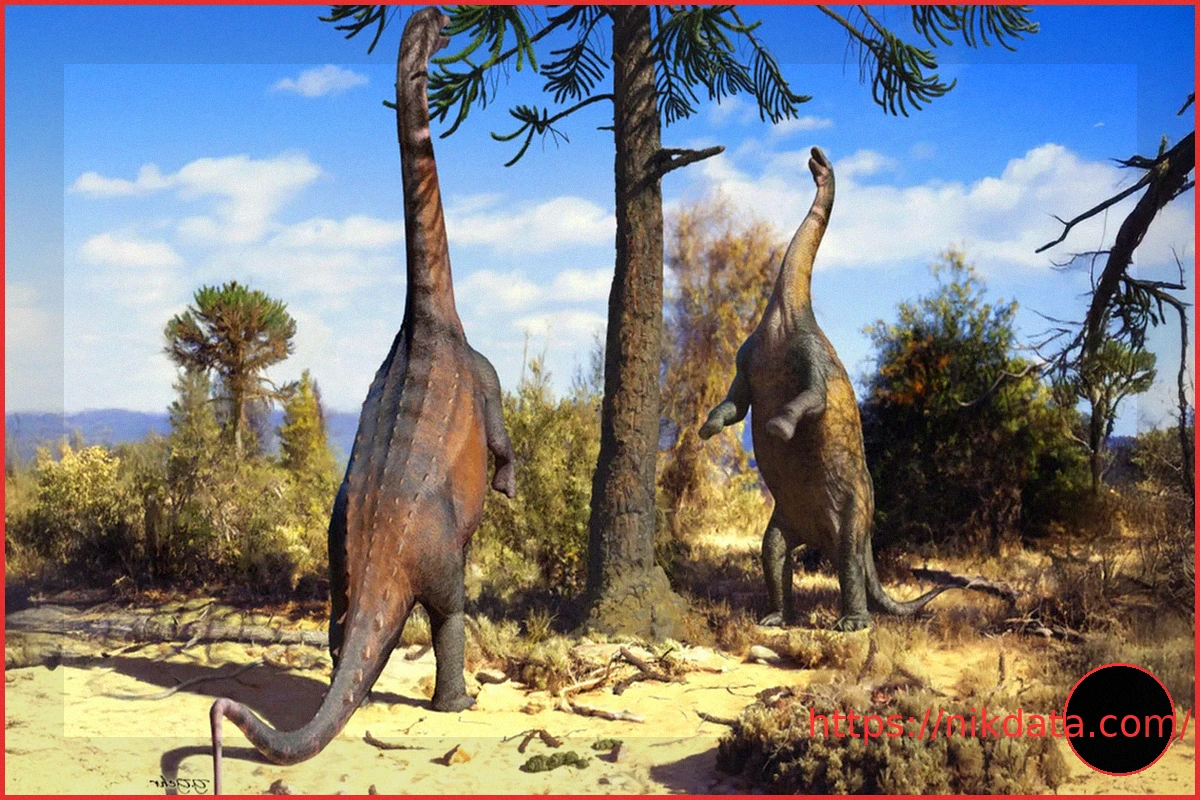
Smaller sauropods possessed a remarkable ability to rear up on their hind legs with relative ease. This gave them a significant advantage, allowing access to elevated food sources and providing a defensive posture. Research, including computer simulations, indicates that their bone structures were better equipped to handle the biomechanical stresses of bipedalism compared to their colossal relatives. However, as these dinosaurs matured and their mass increased dramatically, sustaining this upright stance became considerably more challenging. What began as an agile, everyday maneuver in youth evolved into a more deliberate and strategic act in their adult lives.

By Rupert Blackwood
Investigative journalist based in Sheffield, focusing on technology's impact on society. Rupert specializes in cybercrime's effect on communities, from online fraud targeting elderly residents to cryptocurrency scams. His reporting examines social media manipulation, digital surveillance, and how criminal networks operate in cyberspace. With expertise in computer systems, he connects technical complexity with real-world consequences for ordinary people