

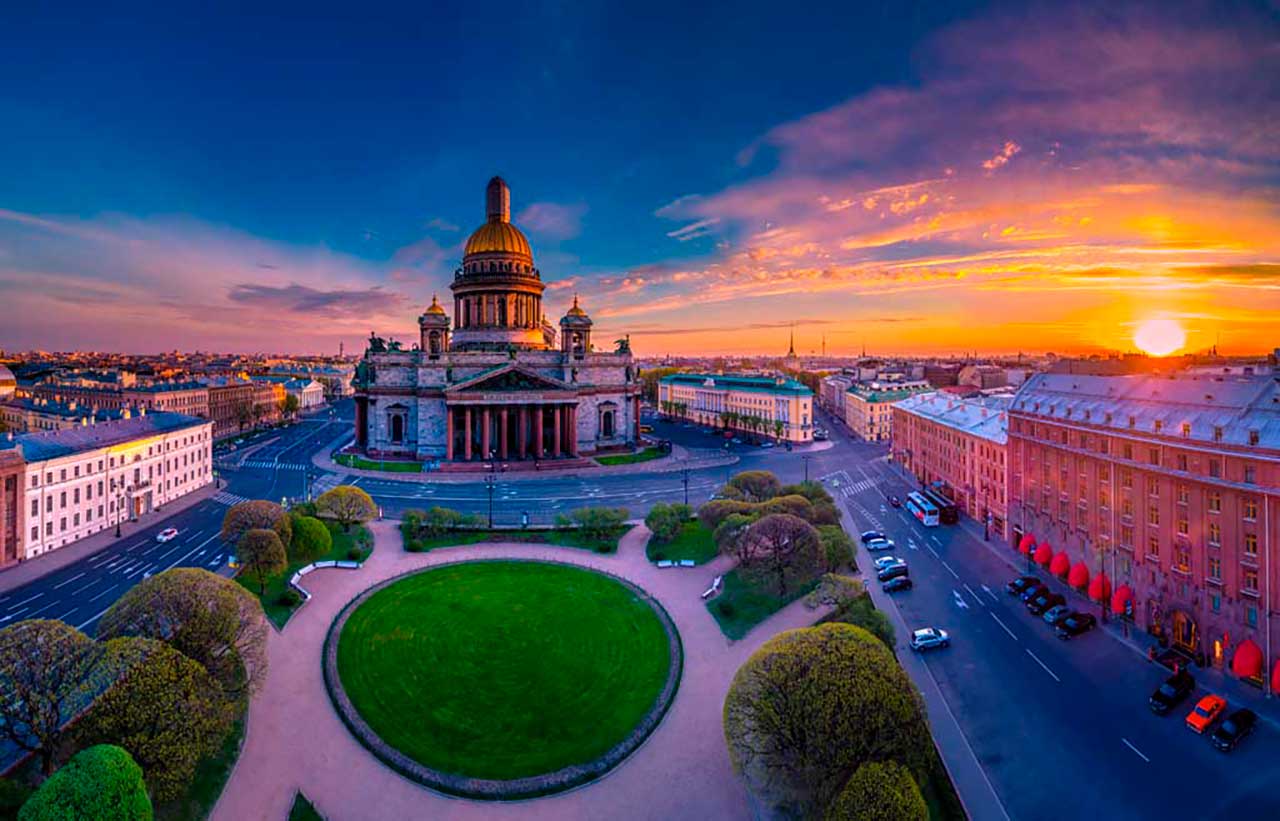
Following recent drone attacks in St. Petersburg, which led to significant mobile internet outages, residents of the city experienced widespread communication issues. The unexpected surge in calls to the phone directory service necessitated extended operations, with dispatchers working in two shifts and some employees assisting remotely.

When mobile internet became unavailable, St. Petersburg residents rediscovered a traditional method of obtaining information: the telephone directory. Over the past weekend, amidst drone attacks that caused widespread mobile internet outages across the city, the 007 phone directory service saw a staggering 20-fold increase in usage.
Denis Sorokin, founder of `Lenremont` and owner of the `Lenspravka` directory service, commented on this phenomenon:
“Historically, the free phone directory service was primarily utilized by the elderly, who would inquire about everything from weather forecasts and current time to pension details and MFC operations. We usually received very few calls. However, an unexpected surge occurred on August 23rd and 24th, coinciding with the drone attacks, when call volume suddenly increased by 20 times. Our service is a continuation of the Soviet-era `09` directory. Maintaining it is unprofitable and a significant expense; while generating revenue might be possible, I haven`t figured out how.”
Regarding the existence of a physical kiosk for `Lenspravka`, Sorokin confirmed, “No, we cannot afford such an investment, as the service is free. That was a state responsibility in Soviet times. We only maintain the free telephone line, `Lenspravka` 007.”
When asked about the types of inquiries received, Sorokin noted, “Over the weekend, there was a particularly high demand for information on children`s activities – such as children`s theaters, entertainment venues, their operating hours, and ticket availability.”
Sorokin reiterated that the significant increase in call volume required dispatchers to work in two shifts, with additional staff joining remotely to manage the influx of inquiries.
 Rupert Blackwood
  Clement Ashworth