

MOSCOW – A collaborative team of scientists, including experts from Surgut State University (SurGU), has presented an innovative, simple, and environmentally friendly approach to purify northern soils contaminated by diesel fuel spills. According to the researchers, the application of a non-toxic substance, Tween 80, effectively “cleanses” the soil of fuel, performing much like a gentle household detergent. The detailed results of this research have been published in the scientific journal *Processes*.
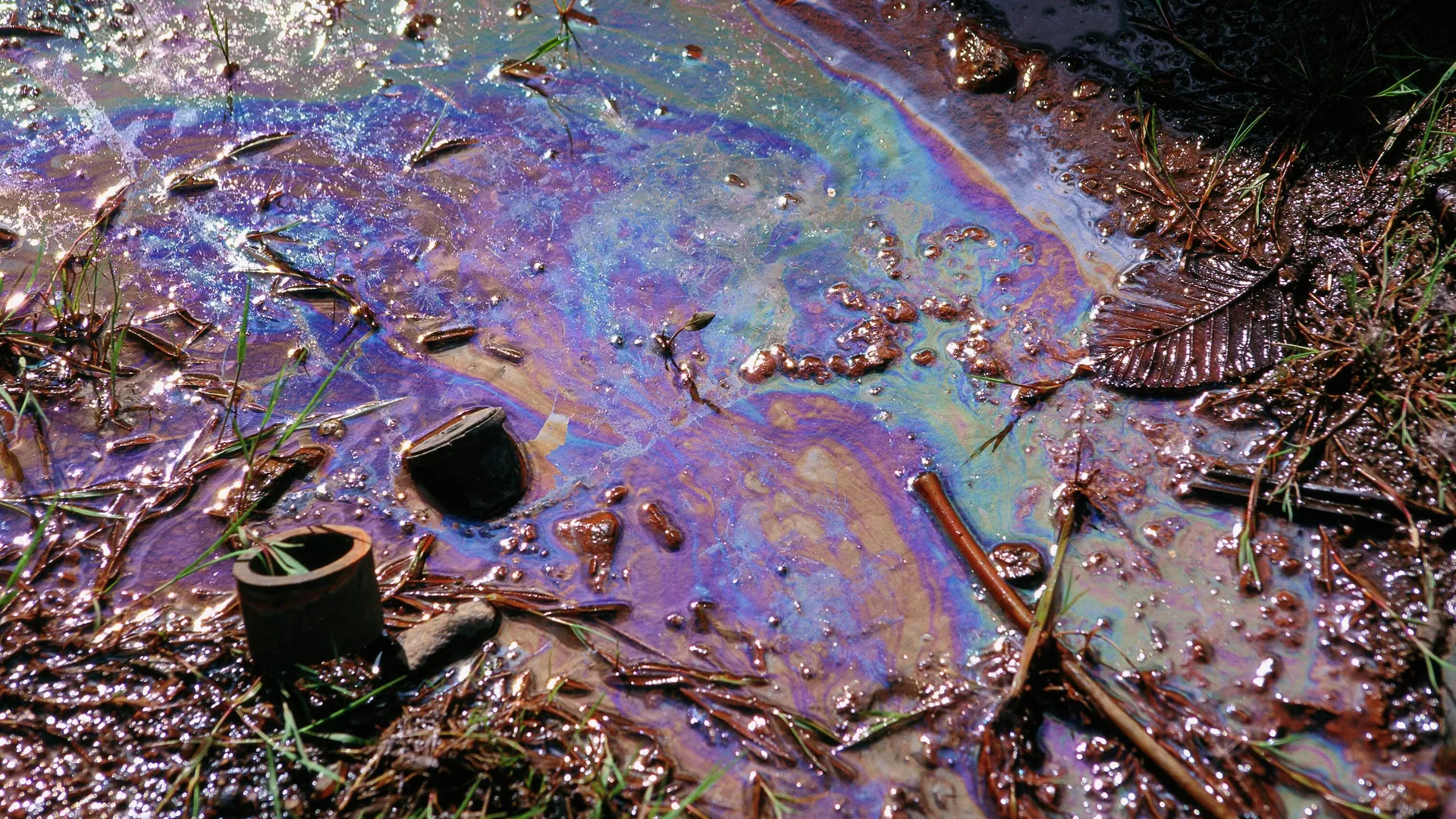
As highlighted by specialists at Surgut State University (SurGU), the restoration of northern podzolic soils following ecological disasters such as fuel leaks is notoriously difficult. These soils are inherently vulnerable due to their depleted organic content and high acidity. The problem is further compounded by the region`s consistently low temperatures, which trap diesel fuel within soil particles, allowing it to poison the environment for extended periods.
In response to this challenge, scientists from SurGU and the Siberian Federal University (SFU) have successfully developed a highly effective, single-stage technique for rehabilitating northern soils impacted by diesel spills. Their solution involves the strategic use of Tween 80 (polysorbate 80) in concentrations proven to be safe for local flora and fauna.
Oleg Sutormin, Vice-Rector for Science and Technology at SurGU, elaborated on the mechanism: “Consider the soil as a porous sponge saturated with diesel. Typically, the fuel becomes lodged in these pores for a very long time. Tween 80 functions as a mild surfactant, effectively loosening the fuel particles from the soil surface and making them accessible for removal or subsequent biodegradation. Interestingly, the efficacy of the cleaning process is inversely proportional to the dose; using too much Tween 80 can inadvertently trap fuel particles within micelles, thereby hindering the purification.”
Mr. Sutormin underscored that this innovative method enables a notable reduction in soil contamination, even amidst the severe Siberian climate, without the need for heavy machinery, heating, or aggressive chemical agents. Within a three-month period, the concentration of petroleum products in the soil decreased by 15–21% through the application of Tween 80. Concurrently, the process helps to mitigate soil acidification caused by the fuel spill, fostering conditions more conducive to natural ecological recovery.

“Around the world, various remediation strategies are employed, ranging from mechanical excavation of contaminated ground to flushing with harsh chemical solutions or the deployment of costly biological preparations. Each of these methods presents its own set of limitations: they can be expensive, pose risks to ecosystems, or are simply impractical to implement in the challenging conditions of the North,” explained Sutormin. “Tween 80 offers a significant advantage as a mild, low-toxicity surfactant that already finds widespread application in the medical and food industries.”
The initial studies were carried out using soil samples sourced from the Khanty-Mansi Autonomous Okrug-Yugra, a region selected due to the particular vulnerability of its soils. The research team intends to further investigate the long-term effects of Tween 80 on soils under varying natural conditions, including fluctuations in temperature and precipitation, as well as prolonged exposure to this “mild” cleaning agent.
This groundbreaking research received financial backing from the Russian Science Foundation (grant No. 24-14-20030) and is an integral part of the strategic technological initiative `Oil Chemistry`, which falls under the federal program `Priority-2030` and the national project `Youth and Children`.
 Rupert Blackwood
  Clement Ashworth