

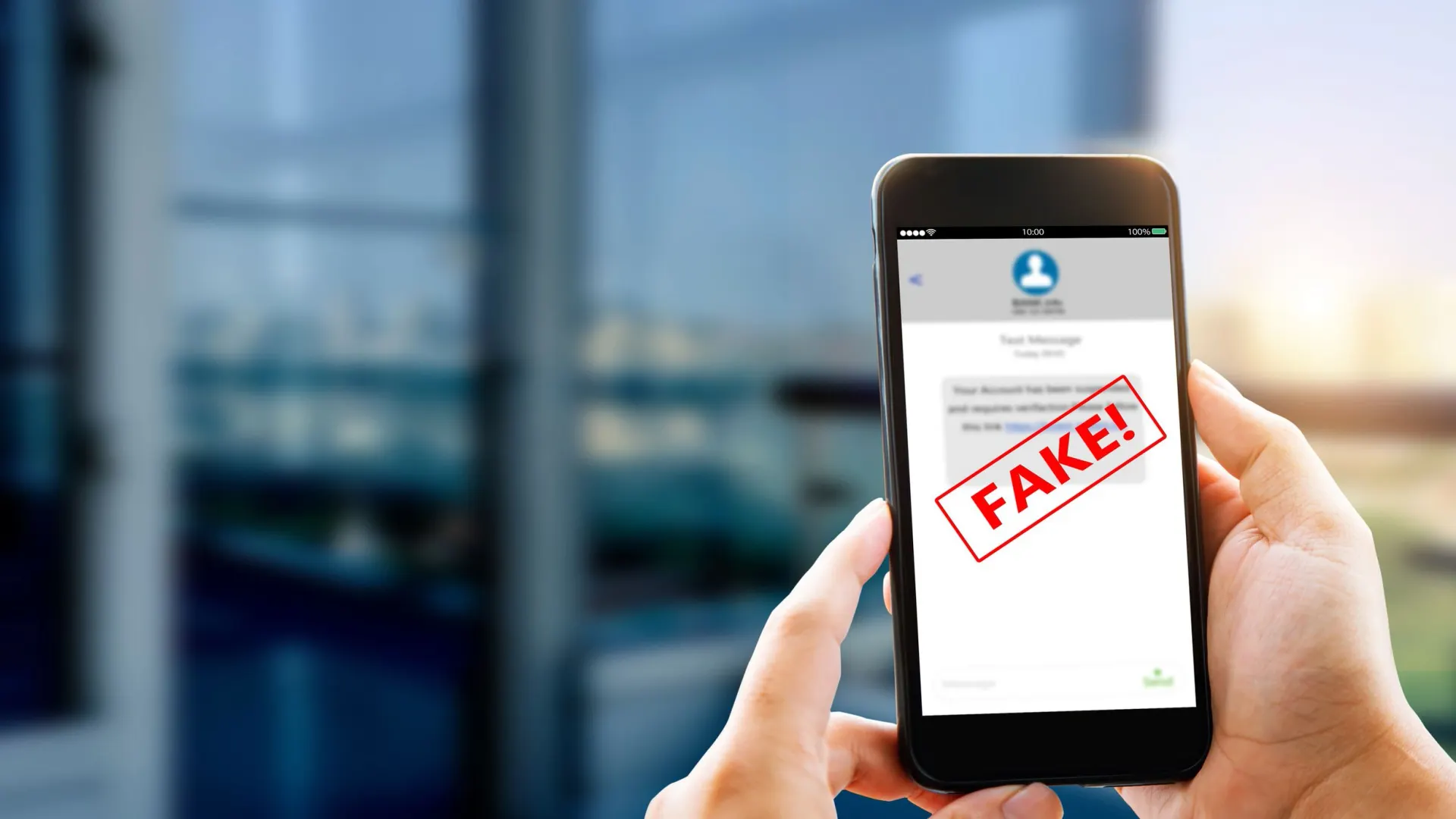
Operator “Volna”: Scammers Threaten Russians with Phone Number Disconnection
Cybercriminals are increasingly targeting Russian citizens through messaging applications, employing a deceptive tactic that involves threatening to block their mobile phone numbers. This significant security alert was issued by the telecom operator “Volna” during a recent discussion with RIA Novosti.
According to reports, these fraudsters send messages to users on platforms such as Telegram and others, falsely representing themselves as employees of legitimate mobile service providers. They menacingly claim that the recipient`s phone number is slated for immediate disconnection. To allegedly prevent this service interruption, victims are then instructed to dial a specific “customer support” number provided by the scammers themselves.
During the course of these calls, the perpetrators cunningly extract highly sensitive personal information from unsuspecting Russians. This stolen data frequently includes critical details such as passport numbers, login credentials for banking applications, and passwords for various other essential online services, as detailed in “Volna”`s official statement.
Important Warning: Representatives from “Volna” emphatically clarified that legitimate mobile operators would never issue threats of service disconnection to their subscribers. Furthermore, they underscored that official communications are never conducted through instant messaging platforms. The company strongly advises all users to only seek assistance and verify any information by contacting the operator`s official, publicly available communication channels.
In a related development concerning evolving scam methodologies, it was previously disclosed that fraudsters have begun employing a new strategy designed to compel potential victims to initiate contact themselves. The Ministry of Internal Affairs reported that these deceptive individuals would falsely inform Russians that they had accumulated unpaid utility bills or had lost access to their accounts on the “Gosuslugi” (Public Services) portal, thereby prompting them to make direct phone calls to the scammers.
 Clement Ashworth
  Barnaby Whitfield