

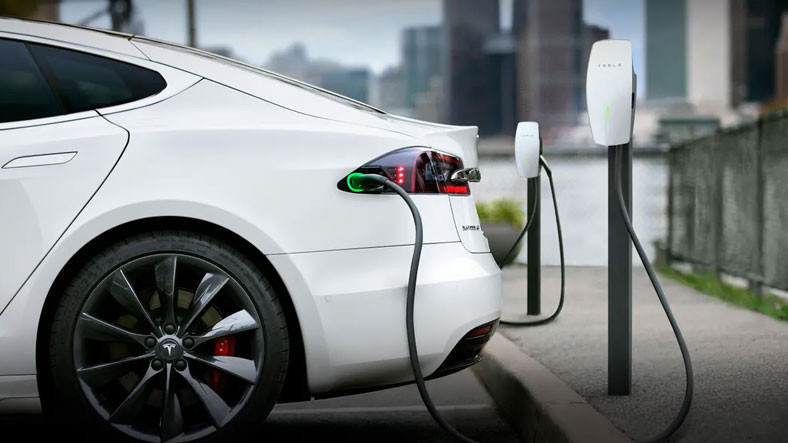
Photo: Florence Lo / Reuters
Upcoming software updates for Tesla electric vehicles are set to introduce a new energy-saving mode, as reported by the blog Not a Tesla App. This innovative feature aims to significantly reduce battery consumption, particularly when the car is idle or parked for extended periods.
These anticipated changes were brought to light by enthusiasts who delved into Tesla`s onboard computer software updates, uncovering distinct references to such a power-saving mode. The primary objective of this functionality is to minimize the drain on the battery when the vehicle is inactive, ensuring greater efficiency and potentially extending battery life. Upon activation, the majority of the car`s non-essential systems and power consumers will be intelligently switched off.
According to experts, this new option is designed to operate in a manner similar to a smartphone`s low power mode. For instance, when enabled, the electric vehicle will disable its cabin overheat protection, deactivate power outlets, and switch off the infotainment system. This practical feature can be manually engaged before a long parking period, offering users more control over their vehicle`s energy consumption.
The feature description further suggests the possibility of automatic activation once the battery reaches a predefined charge level. Users will be able to manage these new capabilities both from within the vehicle`s cabin and through the official Tesla mobile application. However, it remains uncertain whether the energy-saving functions can be engaged while the car is in motion.
Enthusiasts from Not a Tesla App have indicated that Tesla employees are currently in the process of testing this feature. It is widely expected to be included in an upcoming software update, likely designated as version 2025.32.
In related news from late August, researchers at the University of California, Los Angeles (UCLA) identified an unexpected environmental concern linked to electric vehicle charging stations. Their findings revealed that during the operation of these stations, the surrounding air becomes saturated with harmful fine particulate matter, raising questions about air quality in close proximity to charging infrastructure.
 Rupert Blackwood
  Barnaby Whitfield