

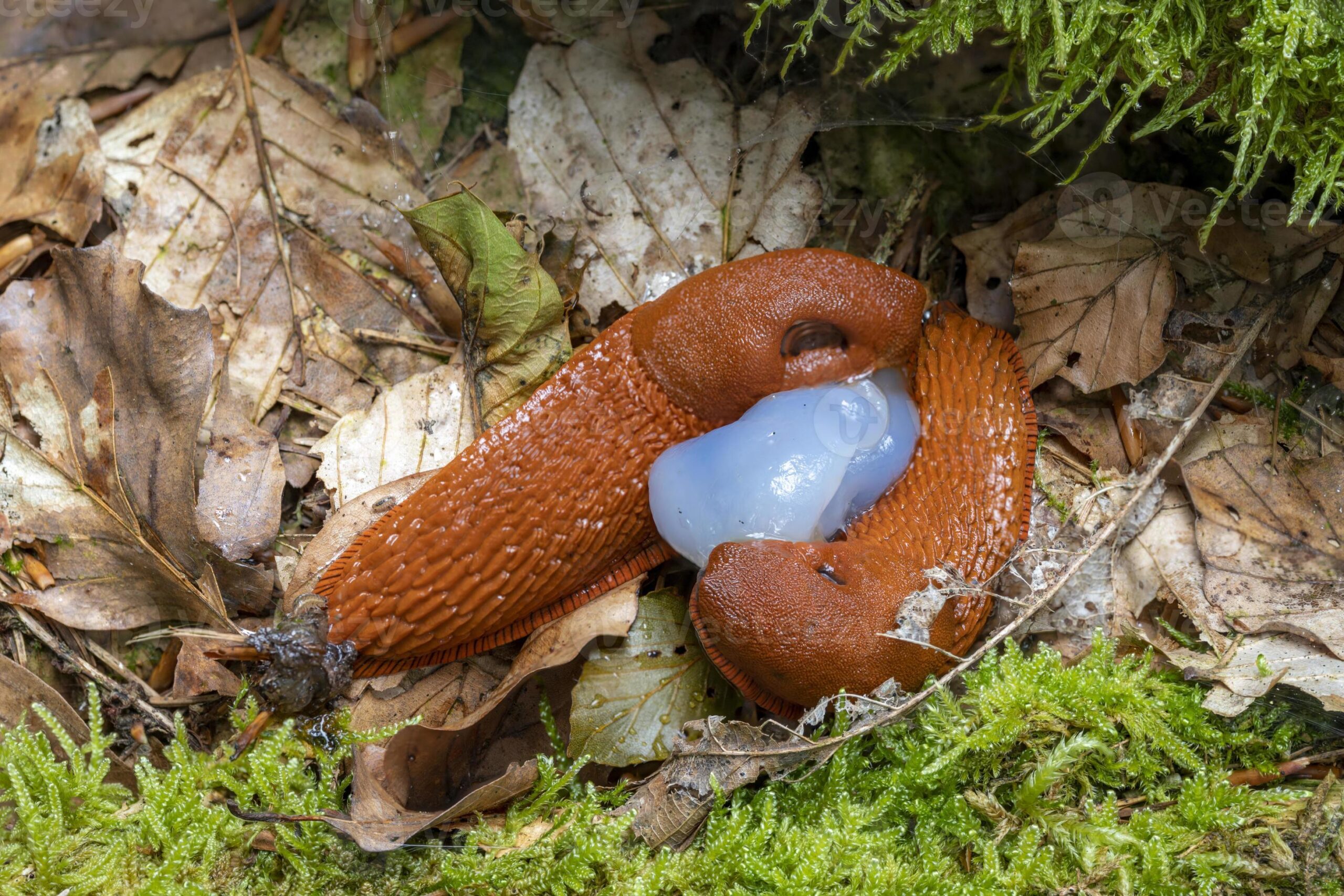
Every summer, large, reddish-brown Spanish slugs appear in Russian cities, startling residents with their size. These mollusks are found on sidewalks, park paths, and playgrounds, often getting underfoot or run over. Experts warn that this proliferation is not only unsightly but also poses potential risks to both the environment and human health. This article explores the origins of this invasive species and effective methods for its control.
Establishing a Foothold
These orange-hued invaders, unsettling city dwellers, are identified as species Arion lusitanicus or A. vulgaris, capable of growing over ten centimeters long. Despite their common name, the Spanish slug originated in Portugal. Zoologist Ilya Gomyranov, a researcher at the Skolkovo Institute of Science and Technology, explains that the species inhabited Portugal until the first half of the 20th century, subsequently spreading across Europe.
According to Gomyranov, this slug has been a regular presence in Moscow and its surrounding region for the past several years, since 2009, becoming a permanent inhabitant. Its dispersal likely occurred through the transport of planting materials such as bushes and rolled lawns, frequently imported from warmer southern regions.
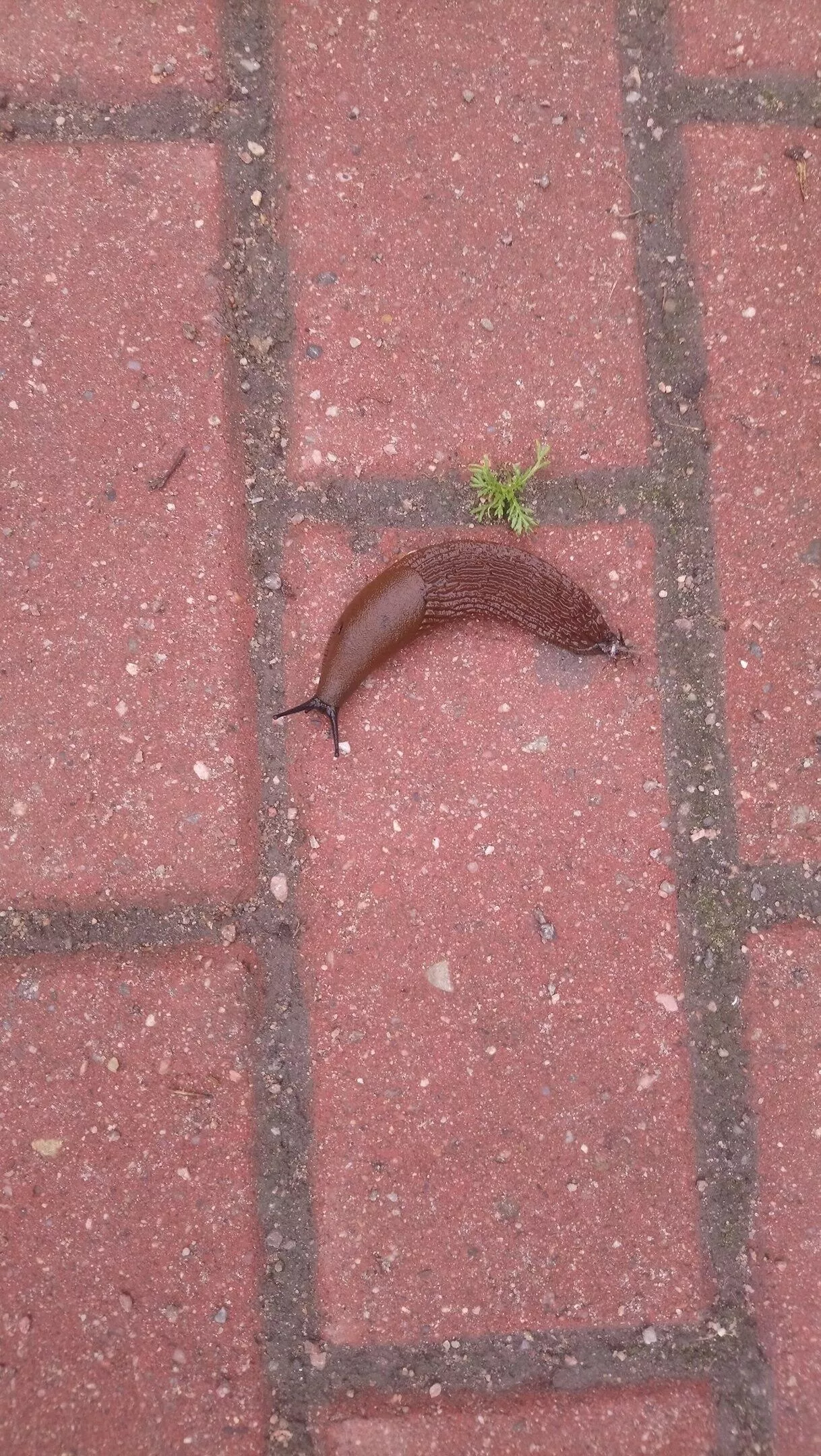
Spanish slug. © Photo: RPN_SZFO/Telegram
The expansion within Russia began in the Moscow region, then spread to the Tver and Leningrad regions. However, its reach extended beyond Central and Northwestern Russia. Several years ago, these reddish slugs were observed in Donbas and Crimea, though researchers note that colonizing new territories in steppe zones is challenging due to unsuitable climates.
The exact extent of population growth in recent years remains unknown due to a lack of scientific data. However, subjective assessments suggest rapid reproduction among these mollusks. This rapid proliferation is attributed to their scarcity of natural predators and their hermaphroditic nature, allowing a single slug to lay up to one hundred eggs per clutch.
Caution Advised
Gomyranov cautions that this introduced species poses a threat to the environment. He explains that “A. vulgaris reproduces aggressively and can devastate meadows of wild grasses, gardens, and vegetable patches.”
However, expert opinions are divided regarding the slug`s danger to humans. The zoologist asserts that slugs are not harmful to us, clarifying that, contrary to common rumors, they cannot transmit bovine tapeworm; this infection only occurs from consuming raw meat.
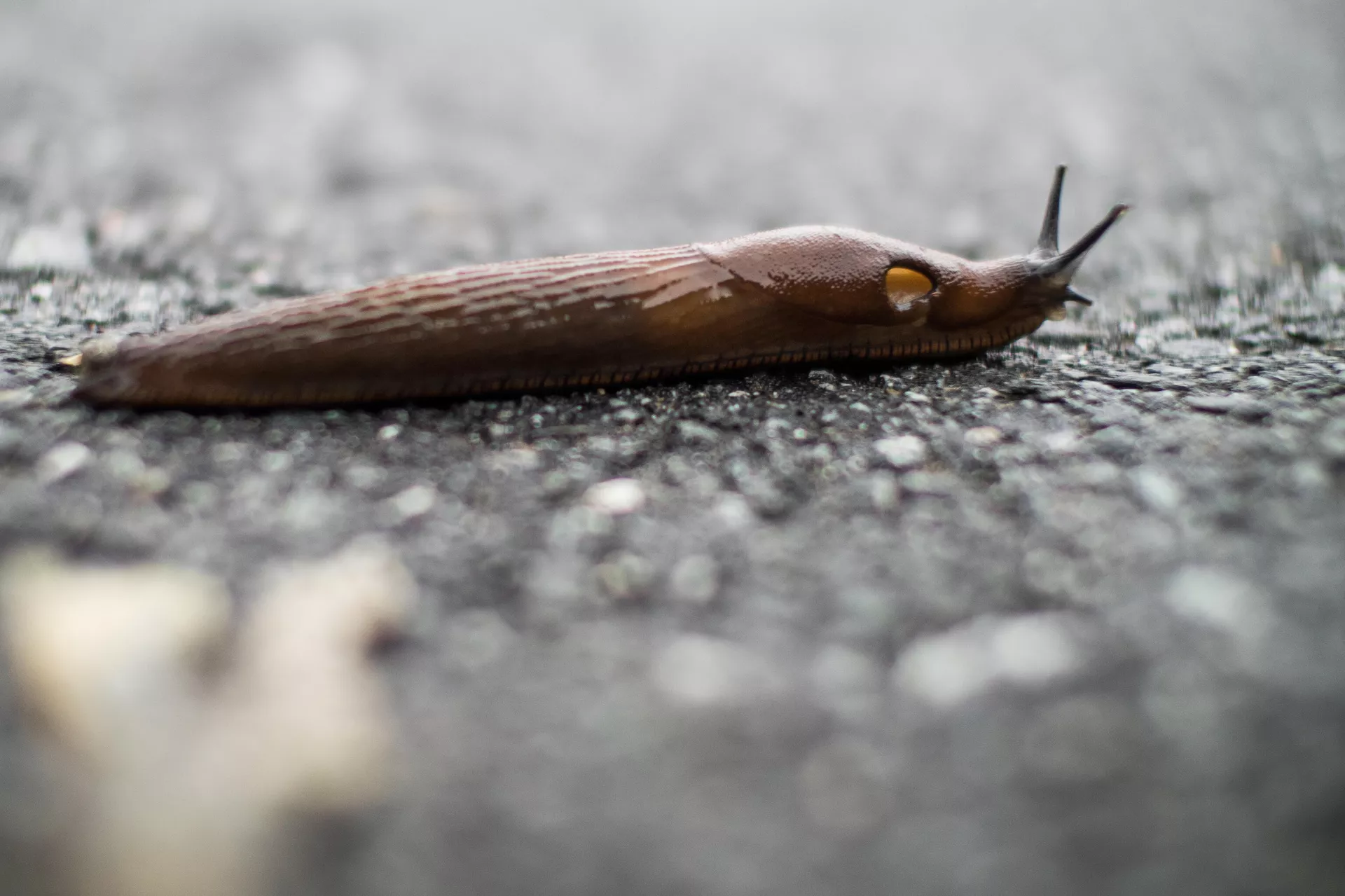
Slug.
Conversely, medical professionals advise caution and recommend avoiding direct contact with these reddish slugs. Vladimir Neronov, an infectious disease specialist, warns: “While these animals are not venomous and cannot bite or inject poison, their surfaces can harbor various pathogenic microorganisms, bacteria, protozoa, and even parasites due to their life cycle. Therefore, touching or handling these large, shell-less snails could lead to an unpleasant illness. It is crucial to wash hands thoroughly after any contact with the mollusk.”
Control Methods and `Beer Traps`
Combating the invasion of Spanish slugs is a complex challenge requiring a multifaceted strategy, notes Vadim Petrov, Deputy Director of the Unified Scientific Center of the Russian Ministry of Natural Resources (VNI `Ecology`) and State Secretary of the UN Decade on Ecosystem Restoration National Committee.
Petrov advises that gardeners should regularly inspect their plots and manually collect any slugs found, ideally in the late evening or early morning when the pests are most active. Collected slugs can be eliminated by immersing them in salt water or a strong soap solution. He emphasizes that mollusks should never be handled with bare hands; rubber gloves must be worn to prevent contact with their slime.
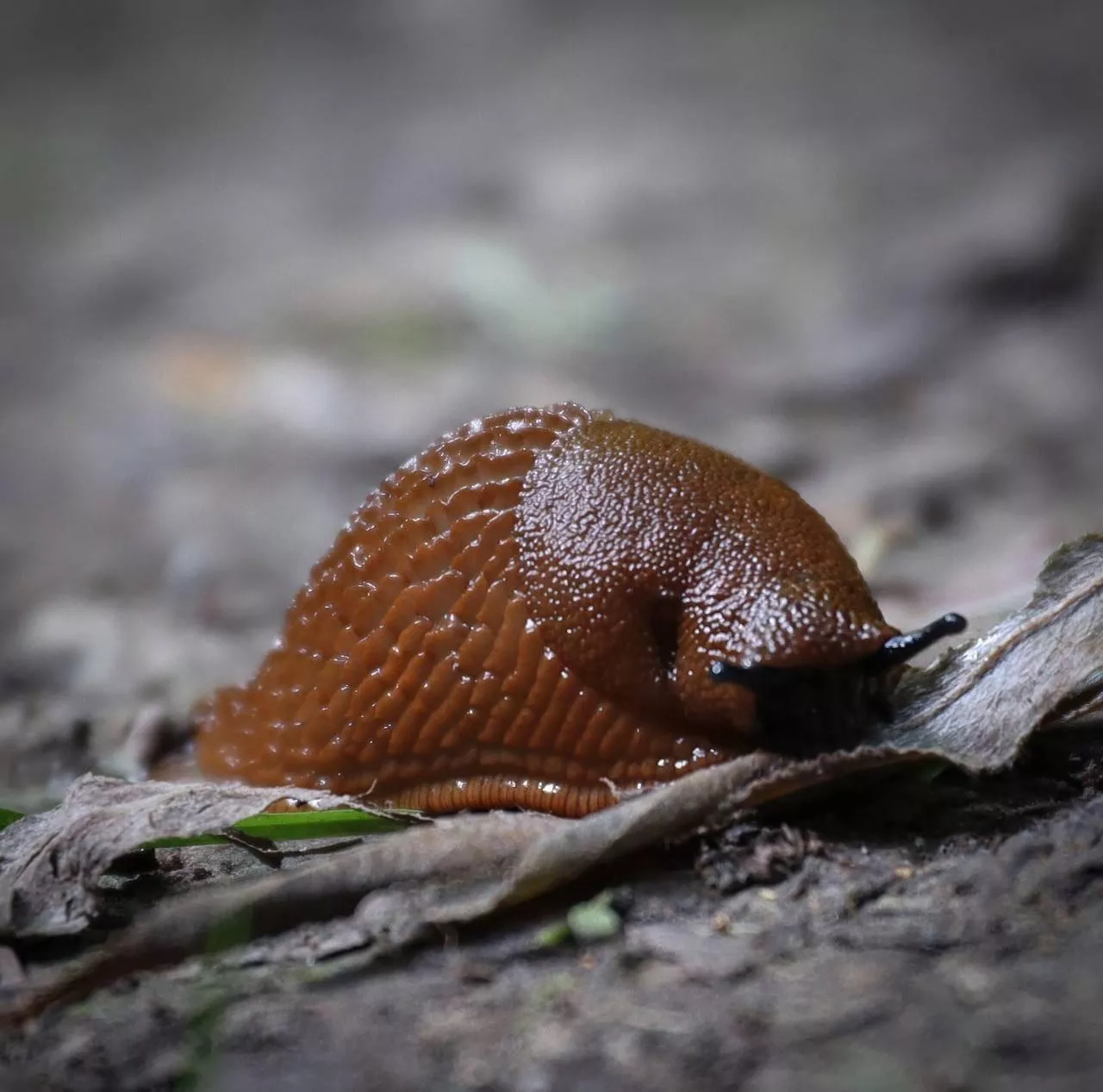
Spanish slugs. © Photo: GPBU `Mospriroda`/ Vkontakte
It is crucial to remove slug habitats. These creatures prefer to hide during the day in damp, shaded areas, such as under planks, in piles of fallen leaves, among weeds, and garden debris. To reduce the population of these unwelcome `tenants,` maintaining a tidy garden by removing weeds, old boards, compost, and other clutter is essential.
On smaller areas, traps can be an effective control method. Petrov continues, “Lay out wet rags, boards, burdock leaves, or grapefruit halves on the ground in the evening; by morning, slugs seeking moisture will gather underneath, ready to be collected and destroyed. Beer traps are also popular: buried jars filled with beer or sweet compote at the bottom attract slugs with their scent, causing the mollusks to crawl in and drown. These methods should be combined and repeated regularly to prevent the population from recovering.”
He also mentions that abroad, chemical and biological `weapons` are employed, including specialized molluscicide preparations sprinkled on garden plots and the parasitic nematode Phasmarhabditis hermaphrodita, which selectively infects and kills slugs. However, these solutions can be costly.
Gomyranov adds that while all specialized molluscicides are effective against the Spanish slug, “it`s important to remember that they also affect native species, potentially disrupting local ecosystems.”
International experience demonstrates that preventing the emergence and spread of new invasive species is simpler and more cost-effective than managing them later, Petrov states. Consequently, Russian scientists and environmentalists advocate for enhanced monitoring and the establishment of a unified response system for biological invasions. Proposed measures include creating specialized centers for risk assessment and control of alien species, and tightening quarantine regulations for imported plants and soil. These reddish slugs, though perhaps not the most dangerous, serve as a stark reminder of the continuous effort required to protect native ecosystems from unwelcome visitors.
 Rupert Blackwood
  Clement Ashworth