


Commemorating 785 Years Since the Battle of Neva
The Battle of Neva, one of the most pivotal events in Russian history, took place 785 years ago. Chronicles describe it as a decisive victory for the young Novgorod Prince Alexander against a numerically superior Swedish force. However, historians continue to debate the authenticity and details of these events.
The Course of the Battle
Messengers from Pelugius, the elder of the Izhora land, urgently informed the Novgorod Prince that the “Svei” (Swedes) had landed at the mouth of the Izhora River. They were accompanied by Norwegians and detachments of Finnish tribes. Catholic bishops, tasked with converting conquered peoples to their faith, also joined this northern alliance. The Swedish army was led by renowned commanders, the Jarls Ulf Fase and Birger Magnusson, who would later found Stockholm.
The ruler of Novgorod swiftly gathered his retinue and militia and set off on a campaign, deciding to strike preemptively. The Russian forces launched a surprise attack on the Swedish camp at dawn. Only with the onset of darkness did the Swedes load their dead onto ships and retreat.
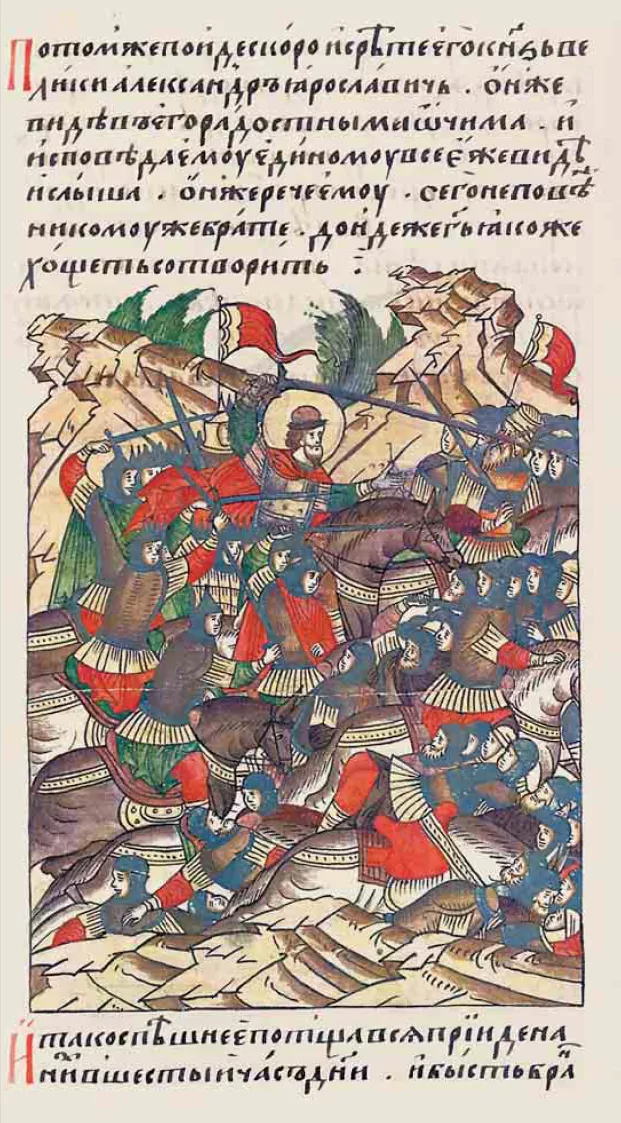
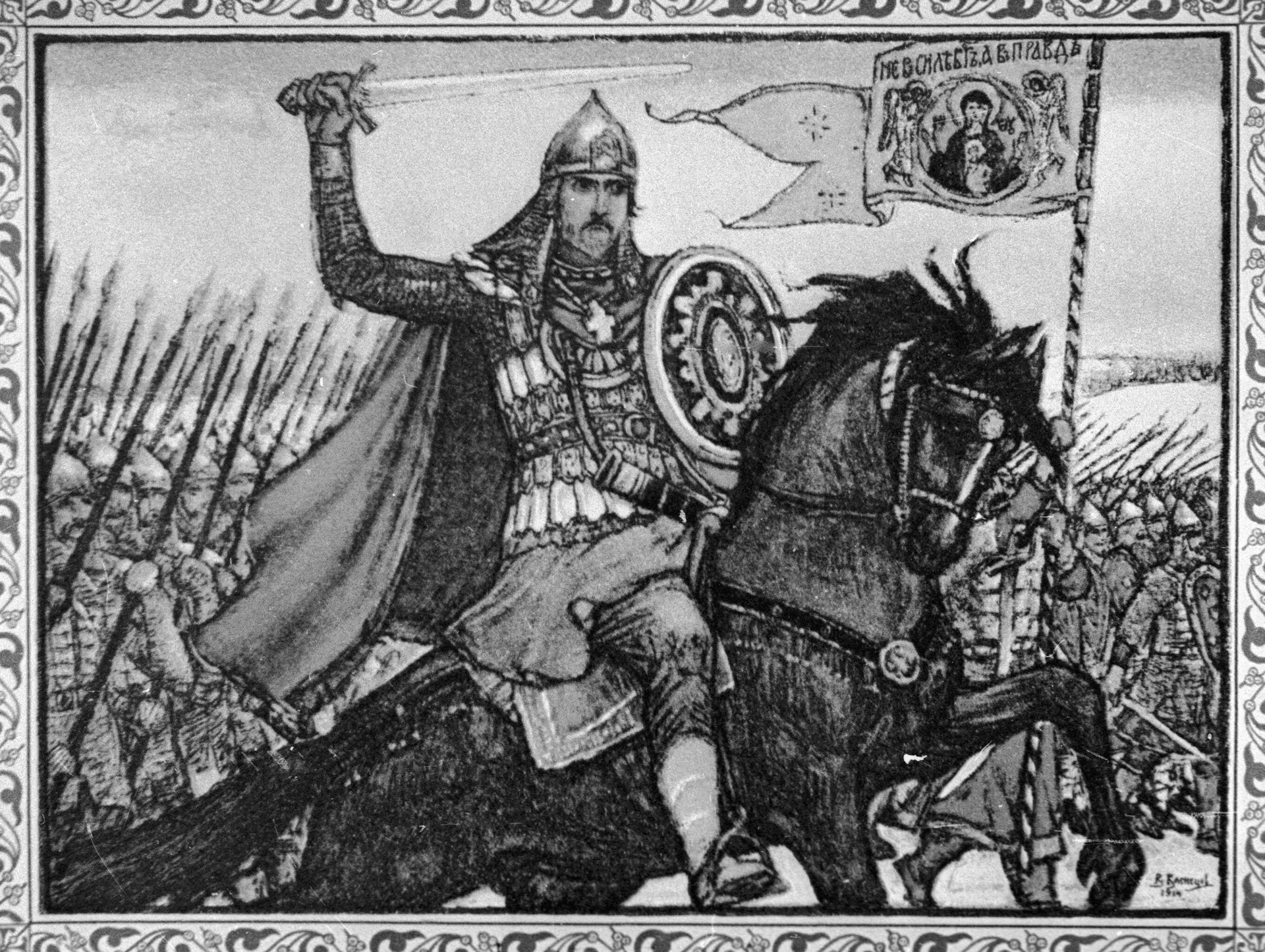
Before the battle, the 19-year-old prince exhorted his warriors with the words: “God is not in might, but in truth.” This phrase, along with many other details of the Battle of Neva, continues to pose numerous questions for historians.
Russian researchers do not diminish the achievements of Alexander Yaroslavich. Scholars tend to believe that the battle on the Neva was significant not only for Novgorod but for all of Rus`. It marked the first in a series of battles to preserve access to the sea, and its successful outcome repelled enemies from the northern borders for many years. However, the difficulty lies in the fact that the events of the summer of 1240 are only briefly mentioned in chronicles, and their descriptions are quite sparse. The aforementioned account is found in the older version of the First Novgorod Chronicle and in “The Tale of the Life of Alexander Nevsky.”
“Just a Skirmish”?
The Novgorod Chronicle provides the most comprehensive account of the event, but it contains many inconsistencies. “For example, it states: `Alexander Yaroslavich placed a mark with his spear on the face of the king.` But which king? Sweden at that time was ruled by the elderly Eric Ericsson, who did not leave his realm, did not fight anyone, and was hardly reigning. The chronicle mentions a Swedish commander with a distinctly non-Swedish name, Spiridon. Furthermore, it says that a bishop was killed during the battle. Yet, all bishops serving in Sweden at that time remained in their sees,” explains historian Klim Zhukov in an interview with Radio Sputnik.
Adding to the complexity is the complete absence of any mention of the Battle of Neva in Swedish sources. “It is possible,” Zhukov continues, “that the clash with the Novgorodians was in fact a minor skirmish, of which countless occurred. Therefore, it may not have been recorded in the enemy`s chronicles.”
However, opponents argue that the Novgorodians were led by the prince himself, which speaks volumes about the scale of the campaign. Moreover, chronicles report hundreds of Swedes killed, while only fifteen to twenty Novgorodian warriors perished. True, one does not exclude the other.
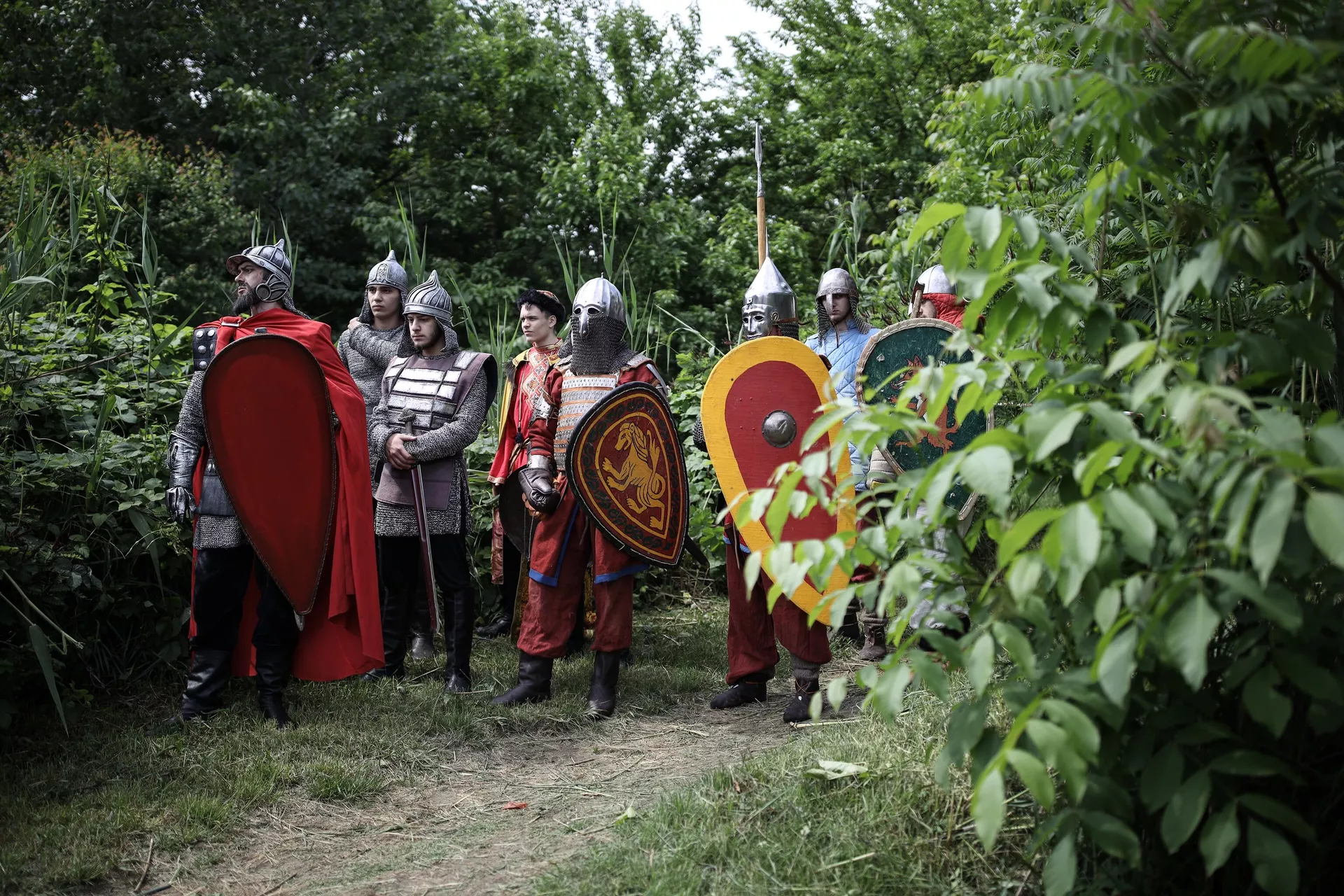
“It is known that Alexander did not even gather the full Novgorodian regiment. There was only the princely retinue, which was a maximum of 300 men. Perhaps another hundred arrived from Ladoga. But even for that era and region, it was a significant number. We must remember that Nevsky was not a Grand Prince at that time, and his administrative resources were much more limited,” says Zhukov. As for the enemy losses cited in the Novgorod Chronicle, it should not be forgotten that the victors wrote it. And the number, quite understandably, could have been greatly exaggerated.
A Crusade on Rus`?
The Soviet historian Vladimir Kuchkin suggested that the enemy`s goals were long-term: to build a fortress and thus firmly establish themselves on the path to Novgorod. As an argument, he cites the description of certain `earthworks` in the Swedish camp in one of the editions of “The Life of Alexander Nevsky.” Moreover, this plan succeeded later when, in 1300, the northern alliance built the Lanckrona fortress on the Okhta Cape, where the Okhta River flows into the Neva.
“If the Swedish troops stopped at Izhora only briefly, they could have set up camp on any bank, and the left bank would have been safer for them. But if it was a long stay, the Swedes would definitely have chosen the right bank: it has a complex, uneven, and hilly terrain. Let me remind you that it is much more convenient to defend from an elevated position, and the terrain reduces the effectiveness of cavalry,” notes Roman Sokolov, Prorector of Herzen University and historian. However, he himself believes that the battle took place on the right side. After all, the Swedish campaign was most likely planned as a multi-stage operation, which would have required a stronghold on the Neva.
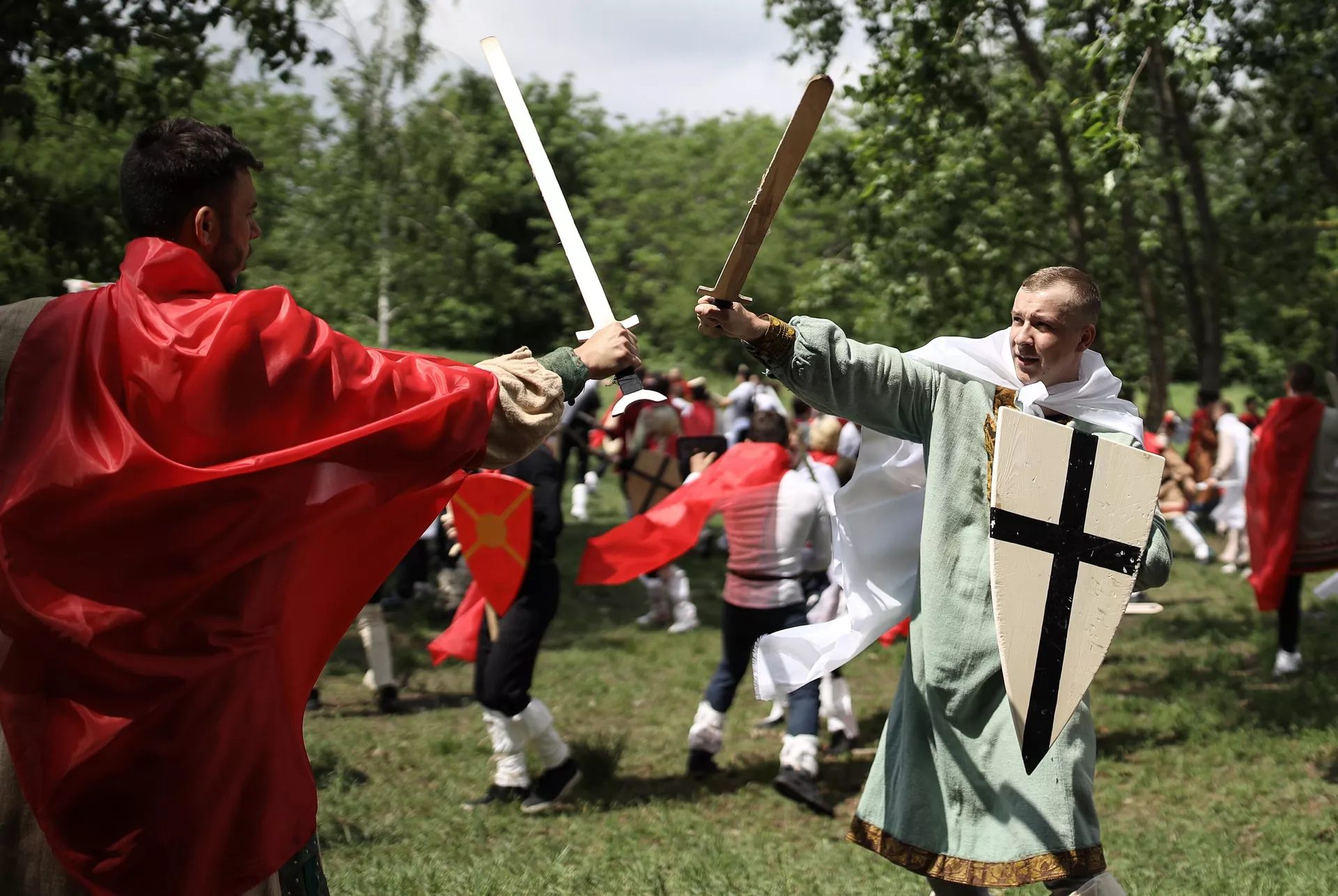
And here another question arises: what was the purpose of the invasion? Historians debate this. Some view the campaign simply as a way to profit. The Neva was the only route for Novgorodians to the Baltic Sea, through which the principality traded with all of Europe. Moreover, the initiative was private: Alexander Yaroslavich engaged in battle with one of the feudal lords, most likely a minor one, as Sweden at that time was torn by a bloody civil war, so the king had no time for distant eastern lands.
Other specialists see “the hand of the Vatican”: the Swedes were incited by the Livonian Order, which was carrying out Pope Gregory IX`s order to convert the Baltics, Finland, and Russian lands to Catholicism. Thus, a few months after the Battle of Neva, the knights attempted to capture Pskov. Apparently, they initially wanted to unite with the Swedish detachments at Izhora. In this scenario, the outlines of the northern borders would have been completely different. But history, as is known, does not tolerate the subjunctive mood.

For now, one thing is clear: it was a vivid example of Alexander Yaroslavich`s political talent. By winning what was, by medieval standards, a localized battle, he secured peace for an entire region for decades to come.
 Rupert Blackwood
  Clement Ashworth