

Rodney Ackland’s 1935 psychological thriller, “The Old Ladies,” adapted from Hugh Walpole’s novel, takes the stage at the Finborough Theatre. This atmospheric period piece delves into profound anxieties surrounding solitude and aging, themes that remain strikingly relevant to contemporary concerns about an increasingly isolated elderly population.
The play centers on three single women in an English cathedral town, each navigating genteel poverty within a dilapidated boarding house. Unaccustomed to employment, their lives are marked by a quiet desperation. Miss Beringer, portrayed by Catherine Cusack, embodies this struggle with palpable anxiety, timidly nibbling a biscuit as she contemplates limited options like becoming a paid companion or a flower arranger.
Brigid Larmour’s meticulously crafted production masterfully reveals the “irritable passions” fermenting beneath their unassuming exteriors. Characters are consumed by spite, greed, and a pervasive sense of fear, manifesting in tremulous voices, nervous glances toward an uncertain future, and haunting night terrors.
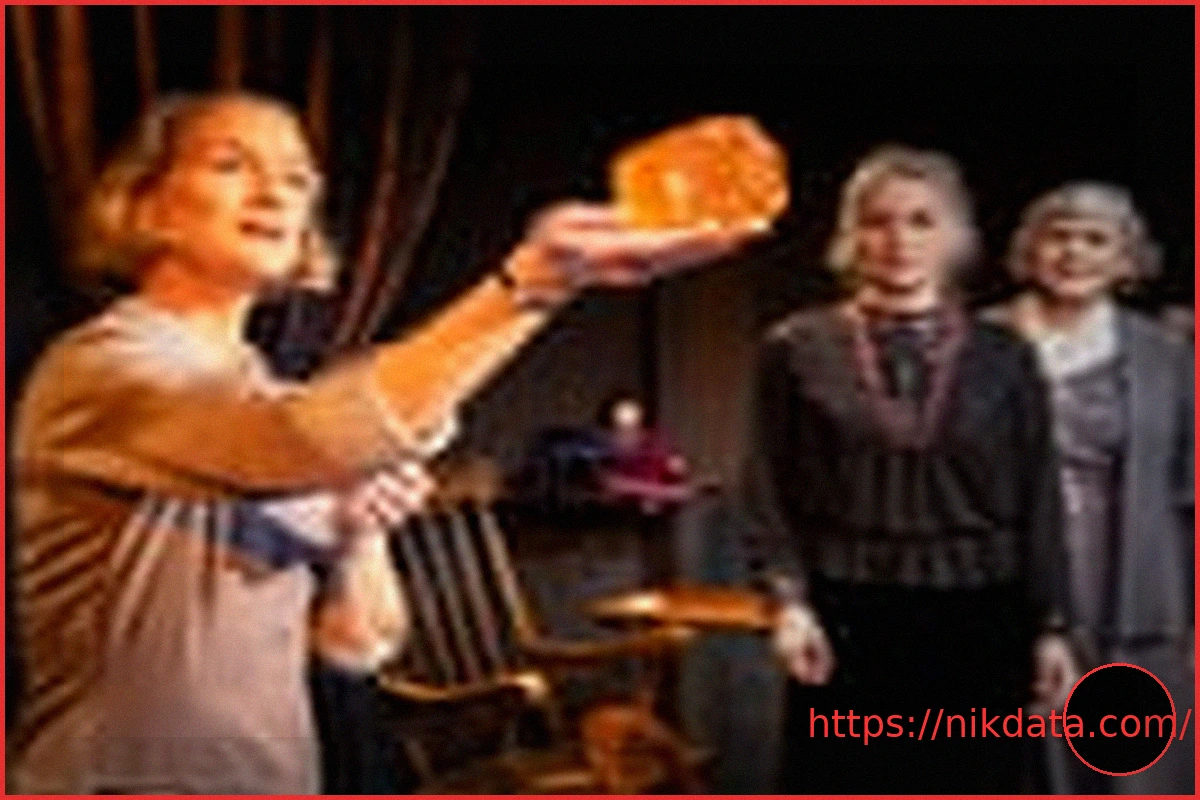
Julia Watson portrays Mrs. Amorest, a flustered woman striving to maintain appearances, silently penning letters to a long-absent son while down to her last ten pounds. The third, and arguably most captivating, figure is Agatha. While originally depicted as “monstrous and poisonous” in the novel, Abigail Thaw delivers a disconcertingly eccentric performance. Dressed in forbidding black, she delights in tormenting the quivering Miss Beringer with unsettling questions like, “Do you know when you’re going to die? Do you want to know?” Agatha’s unsettling fixation on Beringer’s cherished translucent amber, a memento from a beloved friend, reveals a sinister covetousness.
The production excels at building a pervasive sense of dread through its cross-hatched conversations and melodramatic narrative. Larmour’s design team, including Juliette Demoulin (set and costumes), Carla Joy Evans (costumes), and Max Pappenheim (sound), crafts a suffocating atmosphere with dank-toned interiors, moth-eaten clothes, and the constant moan of a bitter wind.
Ackland’s works, which frequently explore lives on society’s margins, are enjoying a resurgence. The shared queer identity of Ackland, Walpole, and the play’s original director, John Gielgud, adds a compelling layer of interpretation, suggesting an affinity for these characters existing at the fringes of British society. Far from raging against their fate, these women appear to fearfully await their quiet extinguishment.