

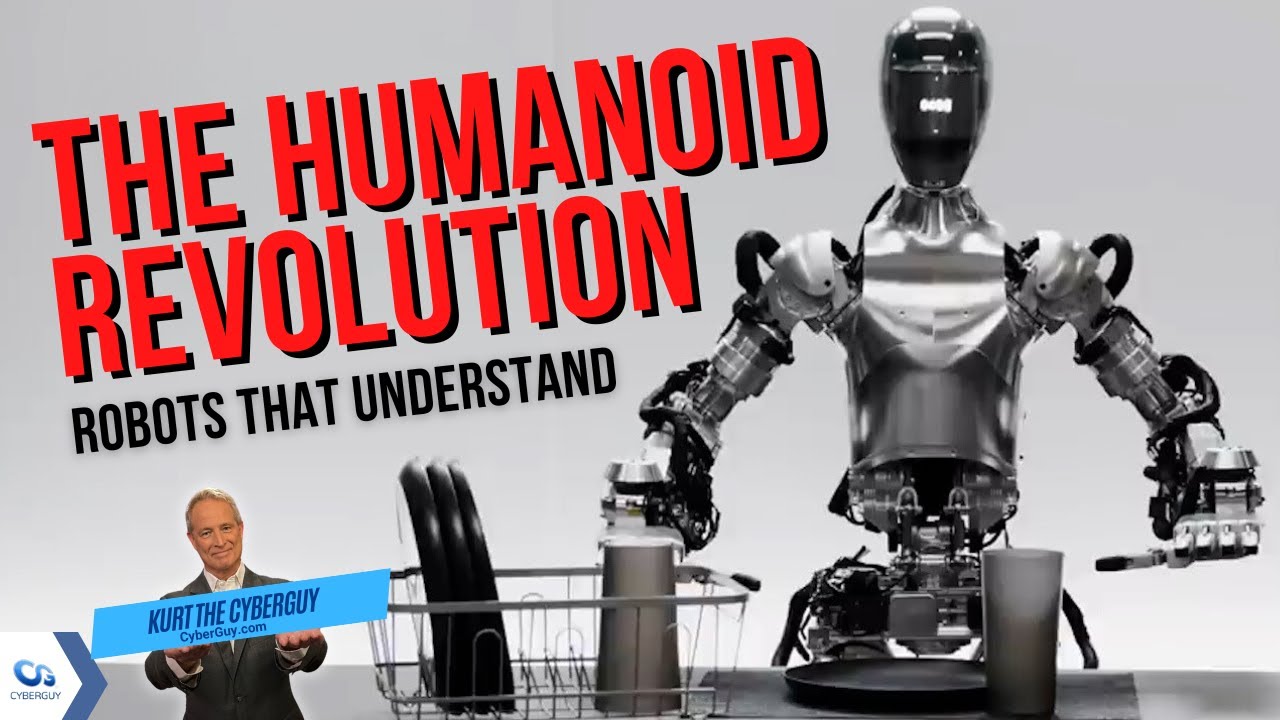
Renowned robotics pioneer Rodney Brooks presents a critical perspective on the development of humanoid robots, predicting their ultimate failure in achieving human-like agility and adaptability.

In his recent essay, “Why Modern Humanoids Don`t Learn Dexterity,” Rodney Brooks, a co-founder of iRobot and Rethink Robotics and a distinguished MIT researcher, meticulously outlines his reasons for believing that human-like robots, in their current form, are destined to fall short of expectations.
Brooks argues that the primary hurdle for contemporary robots is the lack of genuine dexterity. He expresses skepticism that the multi-billion dollar investments by companies such as Tesla and Figure AI into humanoid machines will ever enable them to truly emulate human agility and quickness.
He clarifies that while large language models (LLMs) are highly effective in teaching robots speech recognition or image analysis (due to the structured nature of such data), this approach is fundamentally inadequate for developing physical dexterity. Brooks critiques claims of breakthroughs, such as those made by Elon Musk`s Tesla, stating that “without sensitive sensory detectors and reliable manual control, any demonstration of capabilities becomes nothing more than a show.”
Furthermore, Brooks warns about the inherent danger clumsy bipedal robots pose to humans. He envisions a future where society abandons anthropomorphic robot designs in favor of specialized machines equipped with wheels, efficient manipulators, suction cups, and cameras, optimized for specific tasks rather than mimicking human form.
This critique emerges shortly after Elon Musk showcased Tesla`s Optimus humanoid robot learning kung-fu moves on social media platform X – a demonstration that, in Brooks` view, underscores the performative rather than truly agile nature of current humanoid advancements.
 Rupert Blackwood
  Barnaby Whitfield