

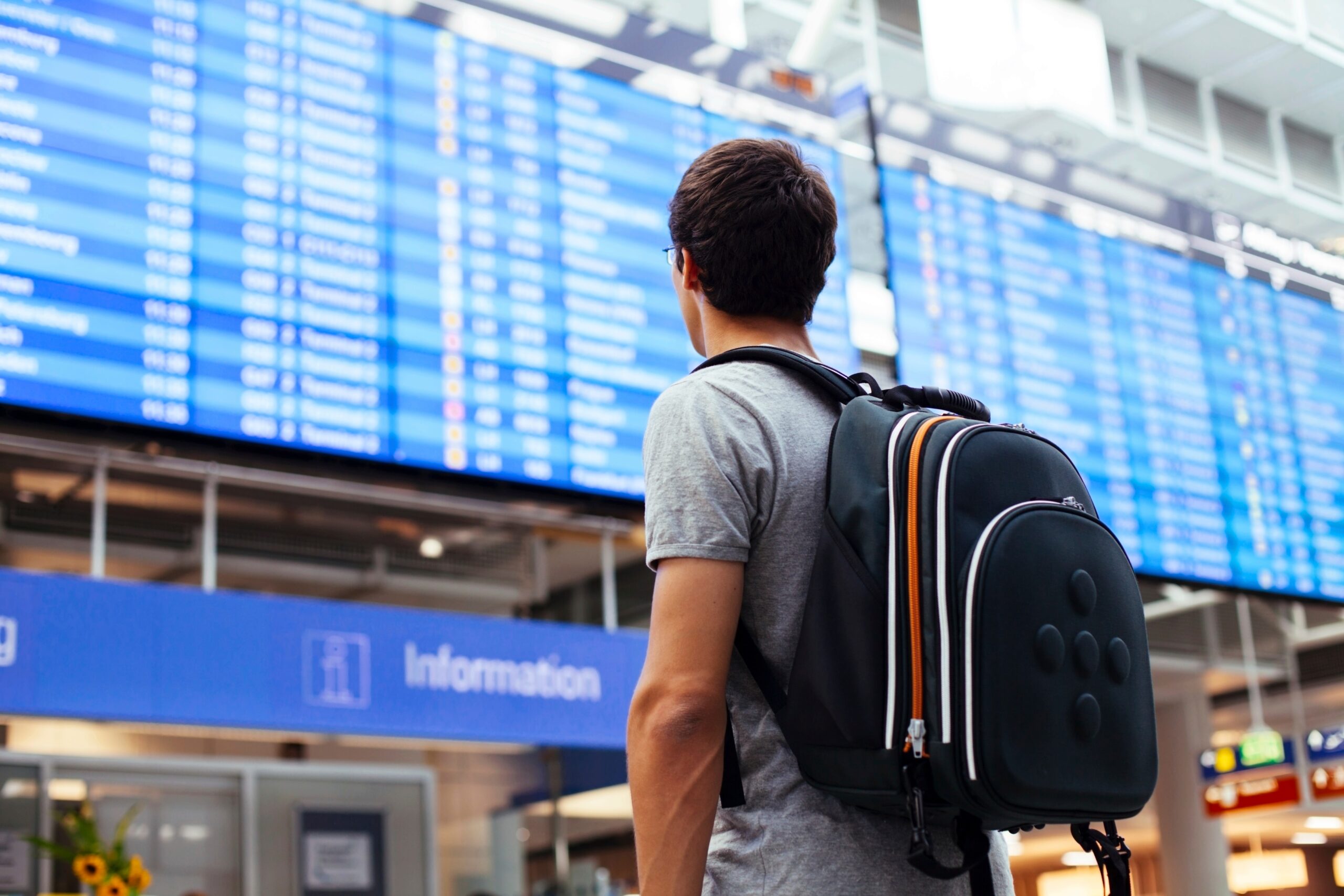
Over the past weekend, passengers at Moscow`s airports faced significant disruptions due to frequent airspace closures caused by drone attacks. Specifically, 165 flights were cancelled at Sheremetyevo, and across Moscow, over 300 flights were affected, with delays reaching up to 20 hours. While the situation is gradually normalizing, its repercussions are still being felt by the travel industry.

Travel industry professionals report a notable increase in client inquiries, with many seeking options to refund tickets or reschedule their departures.
Oksana Bulakh, Commercial Director of national tour operator Alean, highlights a significant reduction in short trips amidst this uncertainty:
“If previously people were eager to fly somewhere for three or four days, now the number of such trips is decreasing. Not everyone is willing to spend two out of three or four planned days traveling or at the airport. The first major collapse occurred during the May holidays, followed by localized closures, but not on the scale we`ve seen in the last few days. This period is too short to draw conclusions about long-term changes in consumer behavior.”
Asked how these situations are resolved and whether tour operators are involved in refunds, Bulakh explained that each decision is made individually, depending on the specific circumstances and the tourist`s wishes. This applies to issues like arrival delays, potential loss of vacation days, and the inability to depart from a resort on time.
Regarding insurance against such incidents, the expert notes that it`s difficult to predict where and when problems will arise, as restrictions affect not only Moscow and St. Petersburg airports but also regional air hubs. Therefore, she advises against booking tickets with tight schedules, especially for business travelers, and to always leave a time buffer for unforeseen circumstances.
For multi-leg itineraries, such as flights from Moscow to Asia, it`s crucial to plan connections meticulously to ensure a delay in one flight doesn`t ruin the entire trip. Dmitry Arutyunov, General Director of tour operator Art-Tour, offers the following recommendations:
“Indeed, there`s a direct correlation between flight cancellations and our tourists` behavior: some postpone, and others even cancel their trips. When flying with layovers, it`s advisable not to choose short connections, like two or three hours, as was common before. It`s better to spend a night at a transit airport such as Dubai, Istanbul, or Yerevan. This will undoubtedly protect you from missing your connecting flight. A similar approach applies to the return journey. We also recommend considering connecting flights through other Russian international airports, for example, Sochi, where cancellations and delays are significantly less frequent than in Moscow.”
Arutyunov clarified that if a flight is delayed by the airline for more than four to six hours or cancelled, the passenger is entitled to a refund for the flight cost. For ground services, the situation depends on the destination and booking type, but tour operators actively advocate for their clients` interests. International partners, especially in friendly countries, are often accommodating if the situation isn`t critical. For instance, in Middle Eastern and Asian countries, where it`s currently not peak season, they show understanding, offering to transfer funds to alternative dates or providing refunds, even if not contractually obligated.
Experts also strongly recommend purchasing insurance against flight delays or cancellations. If an incident occurs due to the airline`s fault, the insurance company will compensate for essential purchases, hotel accommodation, and transfers.
 Rupert Blackwood
  Clement Ashworth