

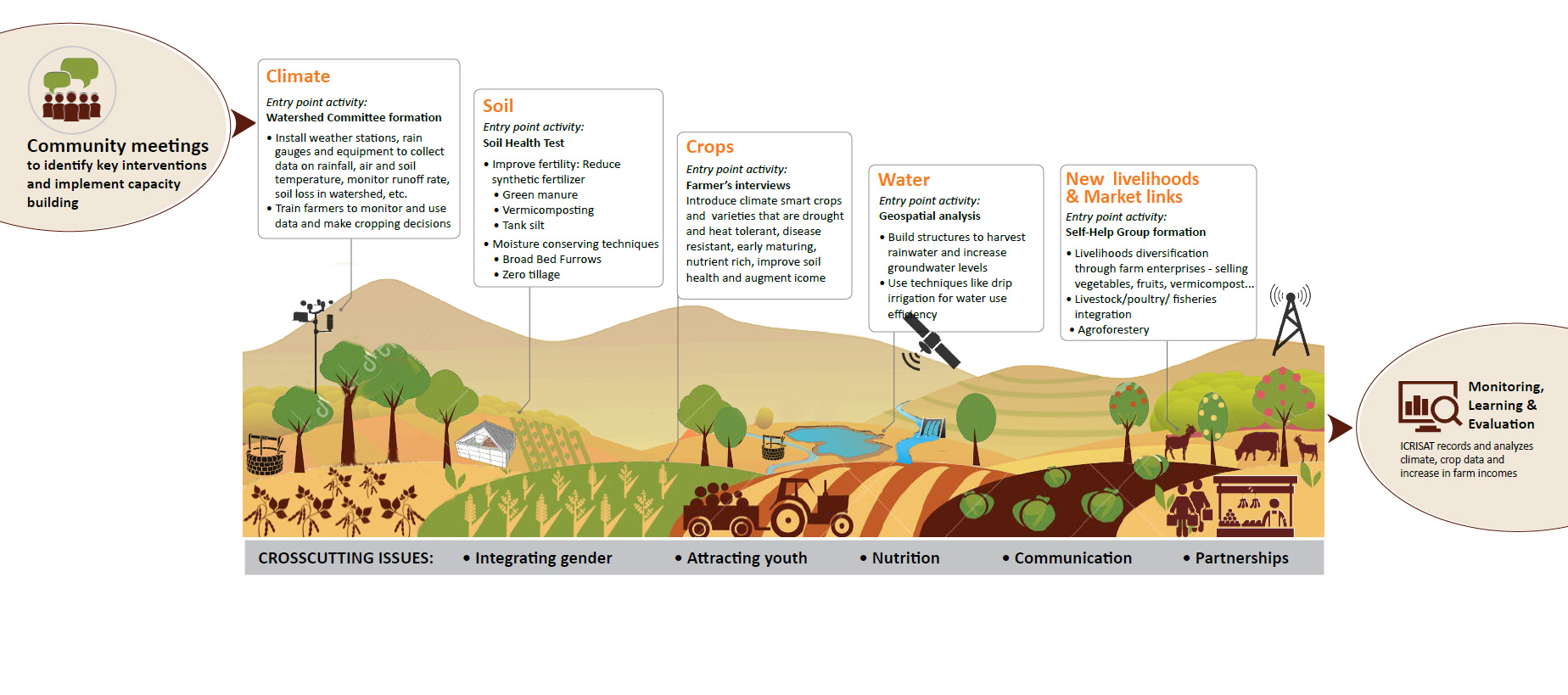
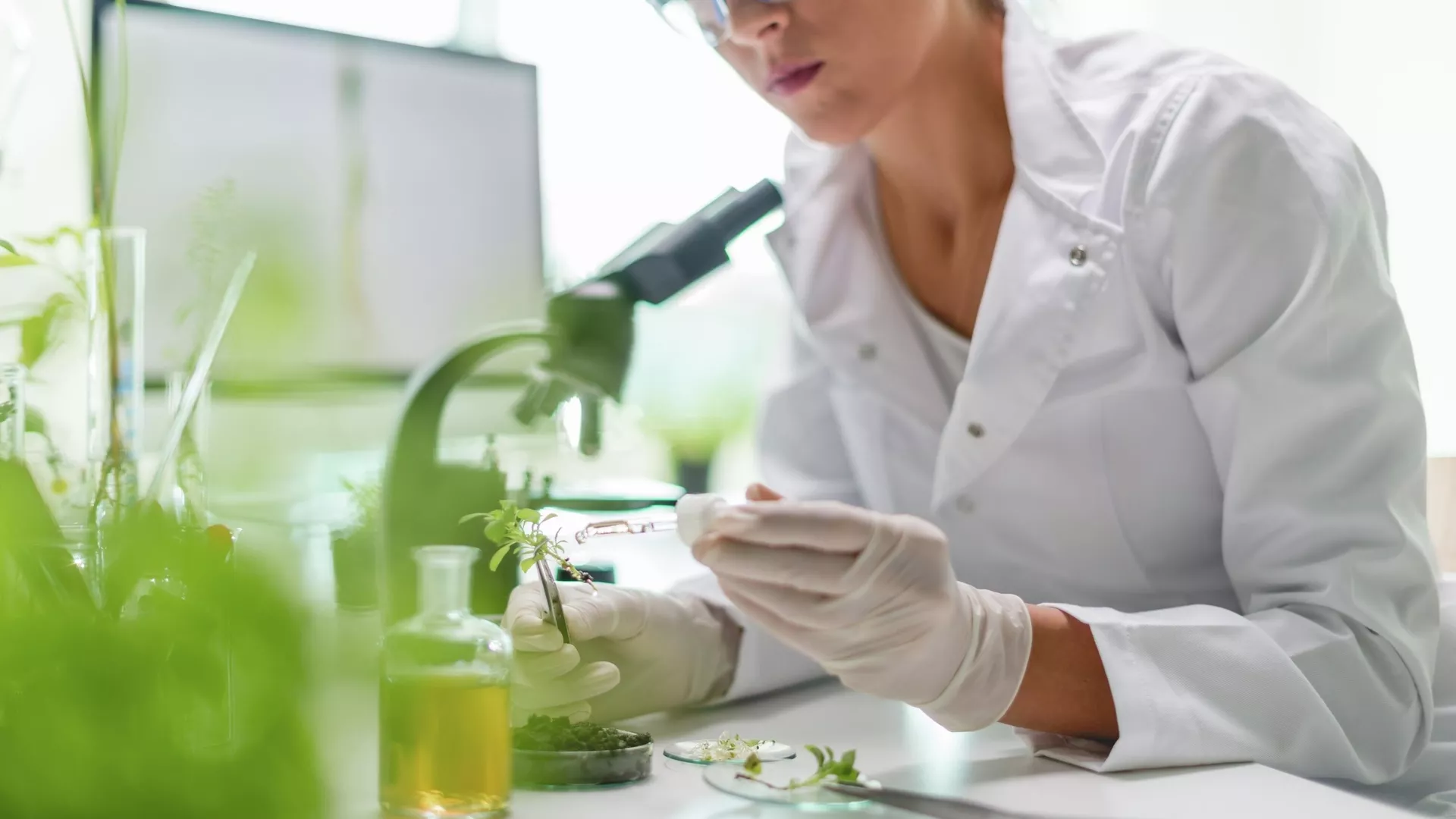
© Getty Images / StockRocket. Laboratory research in progress.
Researchers at Tyumen State University (TyumSU) have introduced an innovative method designed to significantly boost the effectiveness of plant protection products against diseases and pests, particularly in arid conditions. The groundbreaking findings have been published in the scientific journal Fluid Dynamics.
Experts at TyumSU explain that many conventional agricultural chemicals often lose their efficacy when humidity is low. In such dry environments, the microscopic droplets of protective solutions evaporate too quickly, preventing them from properly adhering to plants. This issue frequently forces farmers to refrain from treating their fields during droughts, precisely when young seedlings are most susceptible to threats.
To address this critical challenge, TyumSU scientists have developed a unique technology. This innovation is rooted in extensive, long-term research into droplet clusters – specific two-dimensional aerosol structures.
The proposed approach involves creating specialized droplet solutions that are enriched with carefully selected additives. This allows researchers to precisely control the processes occurring within the droplets, thereby refining product formulations. By incorporating components that increase droplet stability, the technology effectively extends the optimal application window for these protective agents, making them viable even in challenging weather.
Alexander Fedorets, head of the Microhydrodynamic Technologies Laboratory at TyumSU`s Institute of Environmental and Agricultural Biology (X-BIO), commented on the significance of their work: “Our development offers a valuable tool for companies manufacturing plant protection chemicals, enabling them to create formulations that remain effective even in highly arid conditions.”
A crucial discovery made during the research was the realization that the behavior of complex multi-component solutions within microdroplets cannot be accurately predicted solely based on the individual properties of each ingredient. This insight underscored the necessity for specialized experimental instruments to directly observe and optimize such complex compositions effectively.
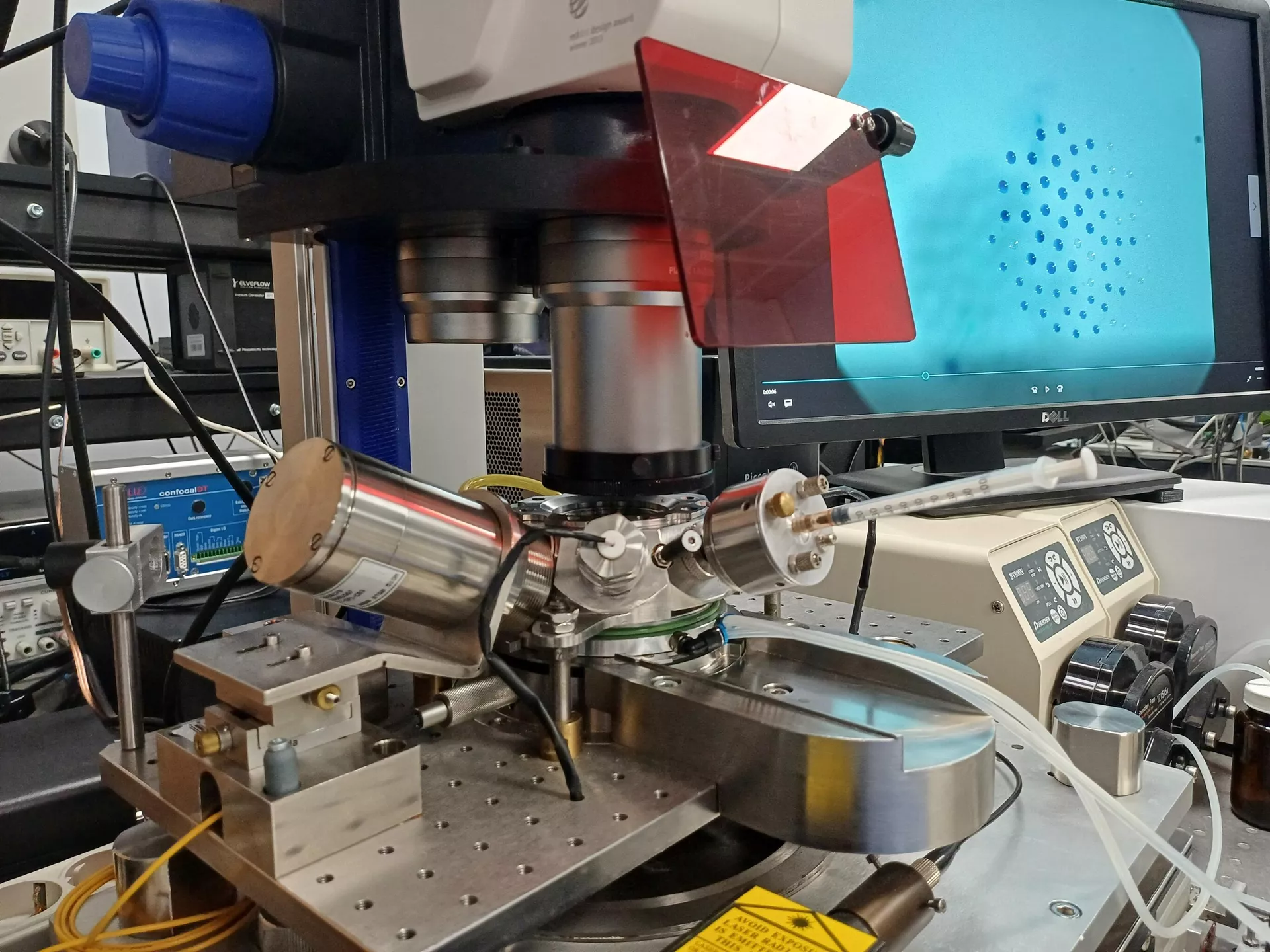
© Photo: Alexander Fedorets` archive. Installation for investigating droplet clusters.
The researchers also highlighted that the unique equipment required to implement this advanced methodology was entirely developed by the X-BIO Institute`s laboratory at TyumSU, demonstrating a high level of in-house expertise and innovation.
This research was supported by the Russian Science Foundation (RSF), under project No. 24-29-00303.
 Rupert Blackwood
  Clement Ashworth