

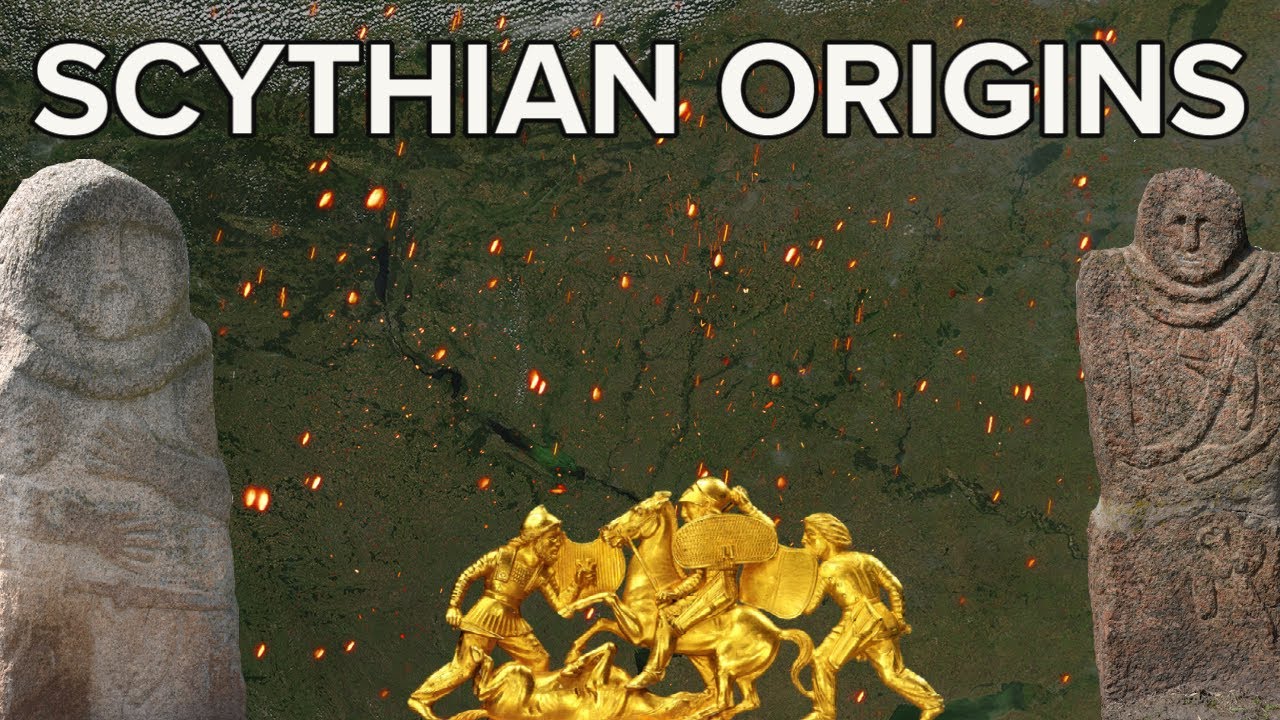
MOSCOW, September 8. Researchers from the Russian State University for the Humanities (RSUH) have delved into the ancient sanctuaries of the Scythians and Sarmatians, examining their associated fire rituals and sacrificial practices. According to their findings, these sacred sites were dedicated to deceased ancestors and war deities, with evidence even suggesting human sacrifices took place, as reported by the university`s press service.
For the first time, scholars at RSUH have systematically analyzed and synthesized information pertaining to the steppe sanctuaries used by the Scythian and Sarmatian peoples, which date from the 6th century BCE to the 4th century CE.
These sanctuaries typically appear as circular mounds, encompassed by earthen ramparts and ditches. They are found across a vast region stretching from the Southern Urals to the Dnieper River, noted Sergey Yatsenko, a professor from RSUH’s Department of History and Theory of Culture.
`Archaeologists commonly focus on Scythian and Sarmatian burial mounds and graves, rather than their settlements and sanctuaries,` he explained. `However, graves offer only partial insights into ancient life. Unfortunately, these sanctuaries are challenging to locate; most are found in small clusters of one, two, or three within larger burial grounds and are frequently mistaken for looted common burial mounds.`
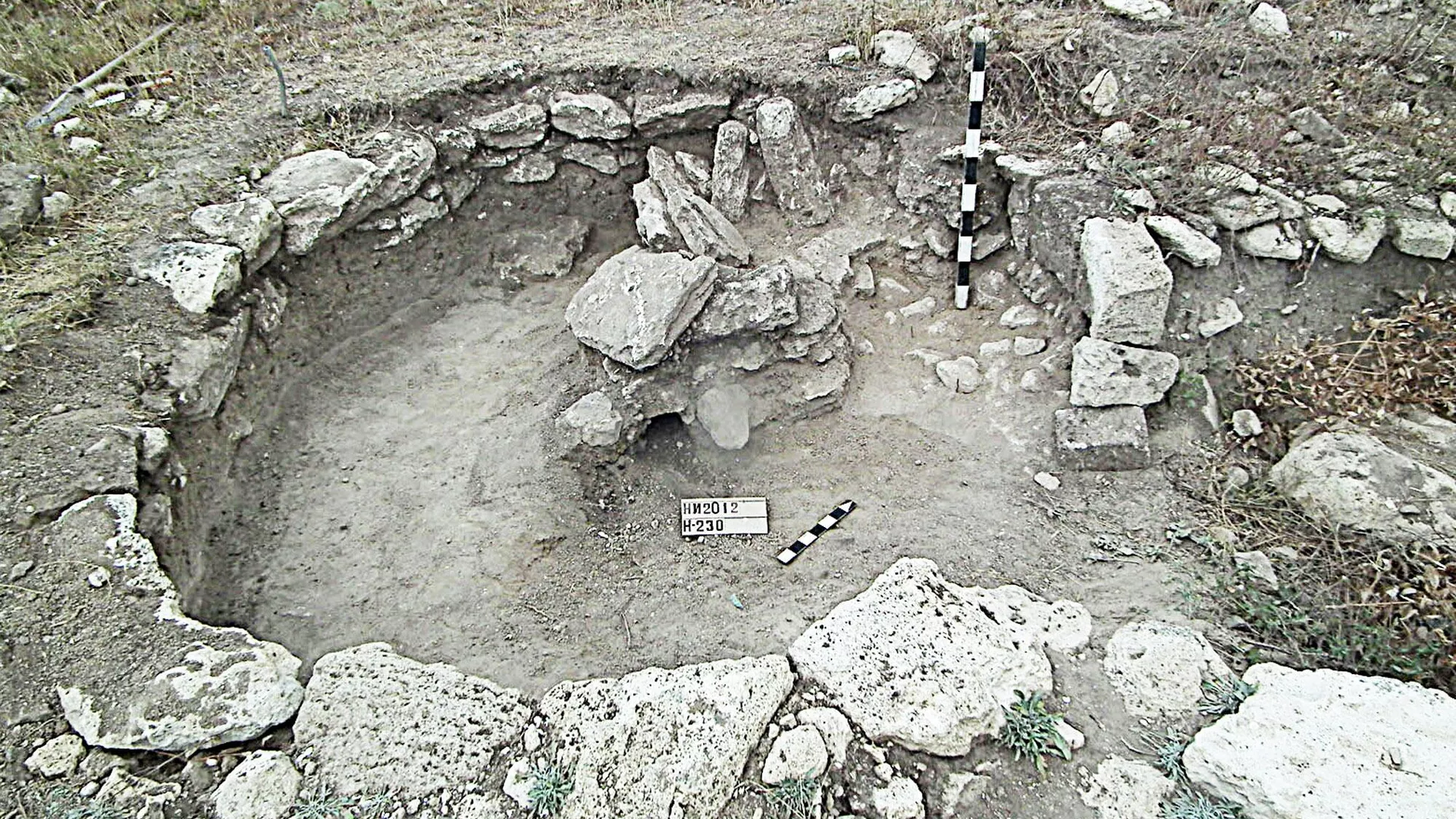
Sarmatian sanctuary of the 4th century CE – object No. 230 near the former Bosporan Ilurat. Kerch Peninsula.
The study revealed that these steppe sanctuaries were frequented by small groups, likely kinship-based or neighboring communities of Scythians and Sarmatians. A significant number of these sites were dedicated to the cult of deceased ancestors.
`Some sanctuaries were also devoted to the God of War, which was a customary practice for nomadic peoples,` the archaeologist stated. `For instance, near the city of Kurganinsk in the Krasnodar Krai, a bronze statuette of a horseman on a bull was discovered. A similar figure, Batraz – once a god of war (or sword god) – appears in the Alan-Ossetian Nart epic. In Sarmatian sanctuaries located in the mountain valleys of the Southern Urals, weapons such as swords were found, which were sometimes worshipped and at other times offered as gifts. This evidence strongly suggests their dedication to a war deity.`
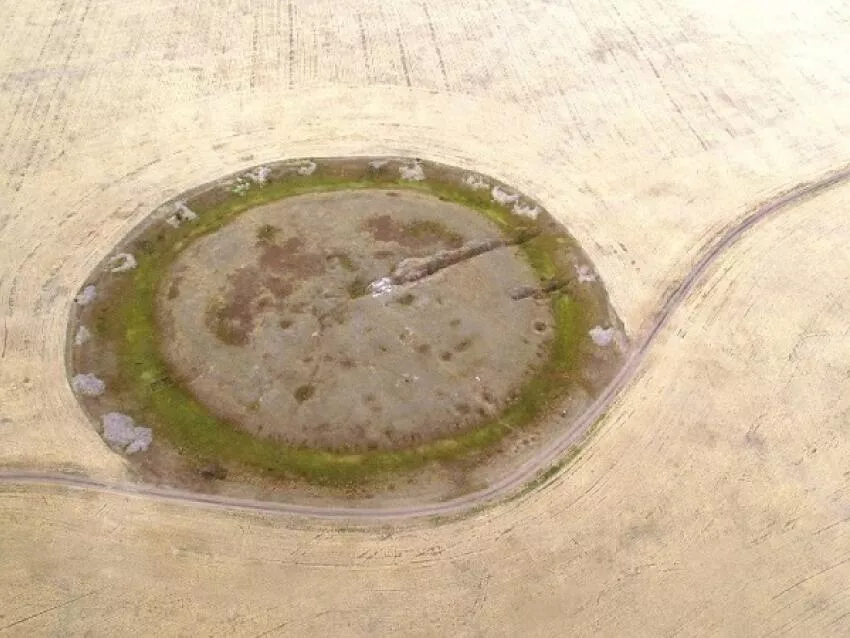
Trekhostrovskaya-Scythian sanctuary. Lower Don.
According to Yatsenko, these sanctuaries often occupied prominent locations in the landscape, situated on hilltops or river bends. They typically featured a sacred enclosure, intended to separate the divine realm or the world of the dead (if a burial site) from the living. Further elements included an earthen rampart, a ditch, and an internal altar, usually comprising a pile of stones or a single large stone where various offerings would be placed.
`These sanctuaries are circular, and some can be quite large, up to 300 meters in diameter,` Sergey Yatsenko clarified. `Why would nomads in the steppe, where labor was scarce, construct such monumental structures? They believed that for the gods and higher powers, no effort was too great.`
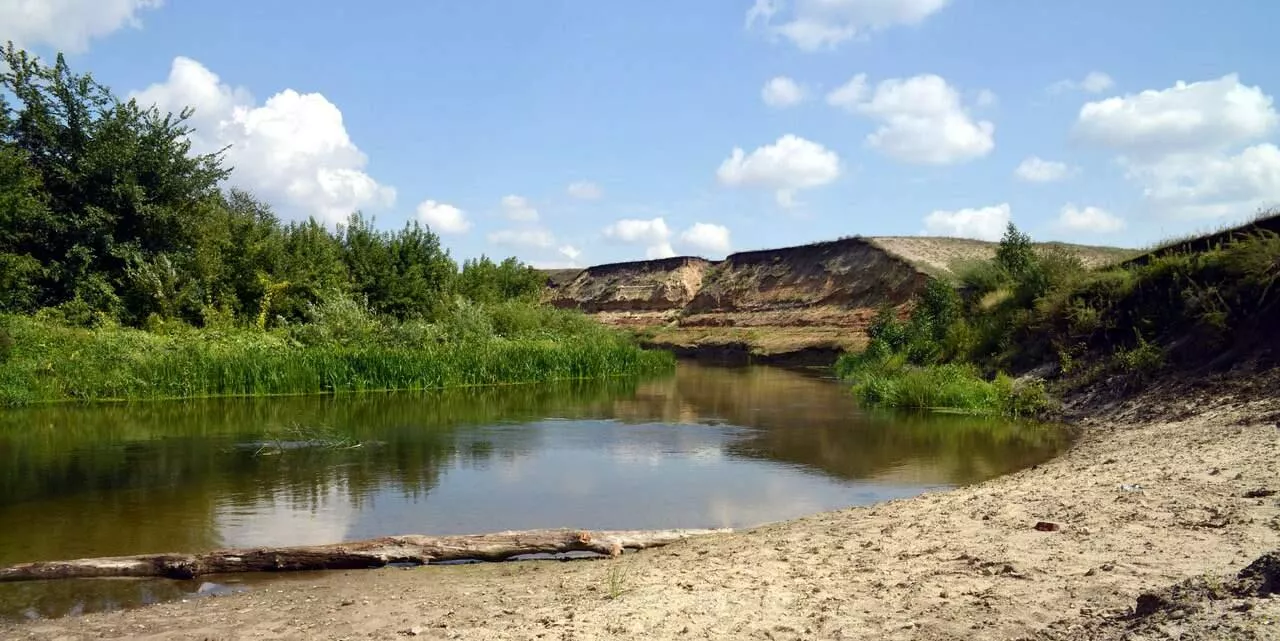
Trekhostrovskaya, Scythian sanctuary, Lower Don.
Researchers indicate that some sanctuaries featured a central pit for fire rituals, where a powerful blaze was repeatedly maintained. This is notable given the challenge of finding abundant firewood in the steppe region.
`Nomads regarded fire as a sacred element, capable of creation and purification, destroying all harmful and unnecessary things,` the scholar emphasized. `Moreover, fire was seen as a divine gift, a fragment of the sun and other sacred essences. This tradition of maintaining sacred fires was present among ancient Iranian-speaking peoples and continues to this day with the Parsis – fire worshippers who migrated from Iran to India. Thus, this ritual is well understood by us.`
He noted that nomads typically offered parts of animal carcasses – horses and sheep – to their gods, alongside pottery made of clay, bronze, and wood, as well as horse harness elements and weapons. Occasionally, human skulls are found in these sanctuaries, indicating instances of human sacrifice.
`Nomads believed that a person`s life force resided in their head, which led to a special reverence for skulls,` Yatsenko explained. `For example, if they looted a contemporary`s grave shortly after burial, they often ensured the skull was placed separately from other bones, hoping to prevent vengeance from the deceased. Skulls could also serve as standalone offerings. Furthermore, nomads fashioned drinking cups from skulls, believing it would grant them additional strength.`
Archaeologists sometimes discover deliberately damaged sacrificial items within sanctuaries, presumably to ensure their successful passage into the spirit world and the realm of the dead. For instance, in one kurgan, pottery and a mirror were found broken and scattered, while in another, all amphorae had their bases intentionally broken off.
These types of sanctuaries, spread across the vast territory from the Southern Urals and the Ustyurt Plateau to the Dnieper River`s right bank, promise to be a rich source of future archaeological investigation.
 Rupert Blackwood
  Clement Ashworth