

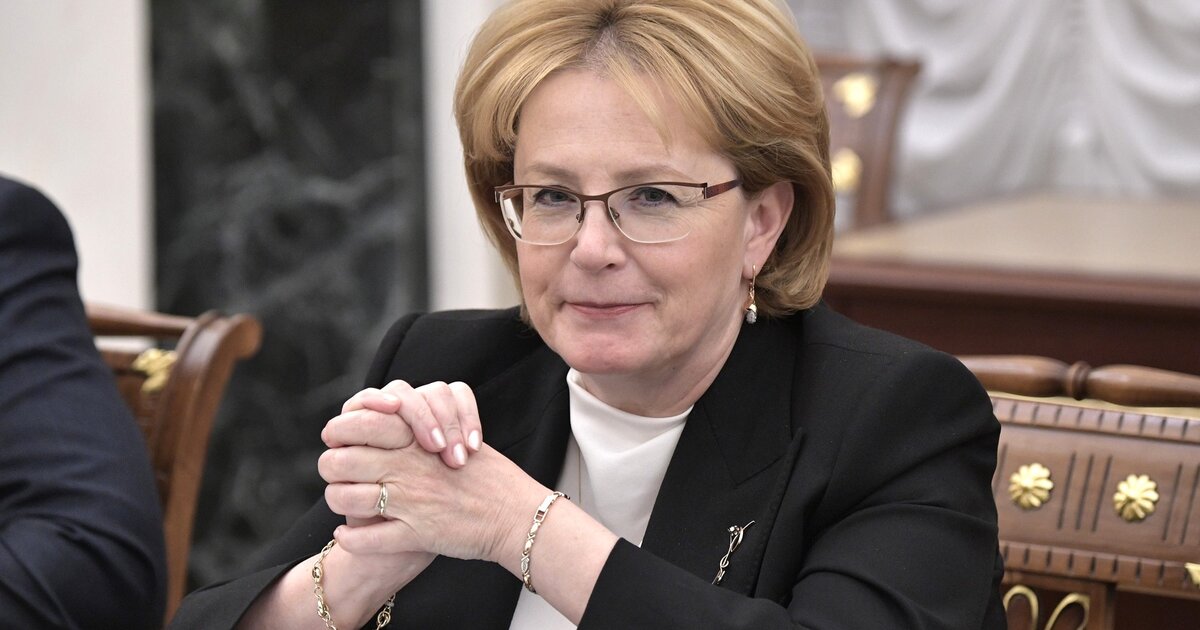
The mRNA vaccine `Enteromix` has successfully completed all pre-clinical trials, demonstrating its effectiveness and safety. It is currently awaiting approval from the Ministry of Health and is slated for use in combating colorectal cancer.
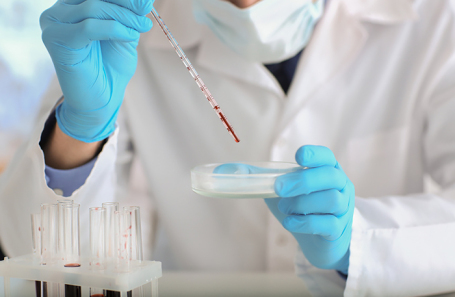
The Russian cancer vaccine is now ready for application, pending approval from the Ministry of Health of the Russian Federation. Veronika Skvortsova, head of the Federal Medical-Biological Agency, announced this development at the Eastern Economic Forum (EEF). According to her, the mRNA vaccine, named `Enteromix,` has successfully completed all pre-clinical trials, demonstrating both its effectiveness and safety. Test results indicate that the vaccine can reduce tumor size and significantly slow their development by 60-80%. Initial applications of `Enteromix` will focus on treating colorectal cancer. Furthermore, the agency is nearing completion on the development of vaccines targeting glioblastoma and specific types of melanoma. The mRNA `Enteromix` is a personalized vaccine, specifically designed and created for each individual patient.
Alexey Remez, founder of the medical-technological company `Reztom,` elaborates:
“This drug is a pharmacological agent designed to help the immune system more effectively recognize and combat the tumor process. Essentially, it`s prepared individually for each patient; it`s not an off-the-shelf product. The development process involves several stages, from biopsying the tumor and isolating DNA to sequencing and creating the mRNA vaccine. This cycle typically takes several weeks, so it`s not like simply picking up a drug from a shelf for a patient.
It`s premature to consider a 60-80% tumor growth reduction as clinical efficacy; a full clinical trial phase is necessary. This could take several years. Therefore, the drug will initially be available to a very limited group of patients participating in clinical research. If the drug proves effective and safe through all phases of clinical trials, only then can we discuss its widespread availability. Regarding cost, precise data isn`t available and cannot be at this stage, as the drug`s cost will include expenses incurred during clinical trials. However, based on international analogues, I would estimate 50,000 to 100,000 USD per course.
This represents a new approach to treating tumor processes in Russia. Globally, however, this isn`t a new method; many companies are developing similar drug classes and are at more advanced stages. Companies like Moderna, Merck, Roche, and others are are involved, and while no such drugs have yet reached clinical practice, some are indeed in more significant trial phases than the Russian vaccine. Thus, it`s probably too early to speak of a global breakthrough. Nevertheless, I reiterate, the most interesting developments will begin when the results of the clinical trial phase are published; then we can discuss its competitiveness and export potential.”
Founder of medical-technological company `Reztom`
Earlier in August, Alexander Gintsburg, head of the Gamaleya Research Center for Epidemiology and Microbiology, announced that cancer vaccine testing would commence in late September or early October. He emphasized that all prospective drugs undergo initial testing on animal models, developed at Kazan Federal University (KFU), before being formulated for human administration.
 Rupert Blackwood
  Clement Ashworth