

Earth-based businesses are forging multi-million dollar agreements to exploit the Moon`s subsurface. Their objective is to extract a valuable substance, widely recognized from science fiction films, books, and video games. According to experts, the victor in this new space race stands to gain unprecedented advantages.
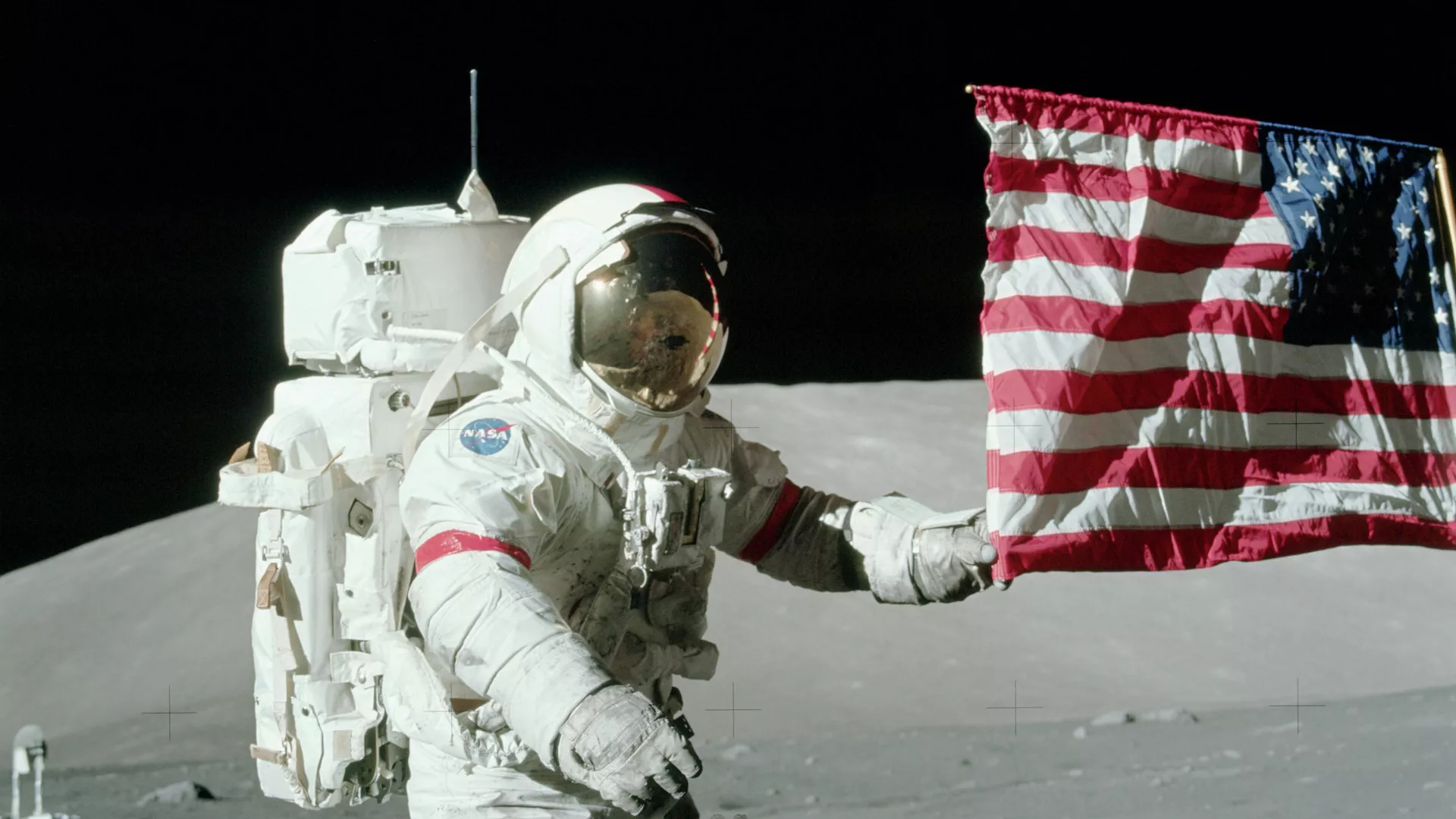
Fact and Fiction
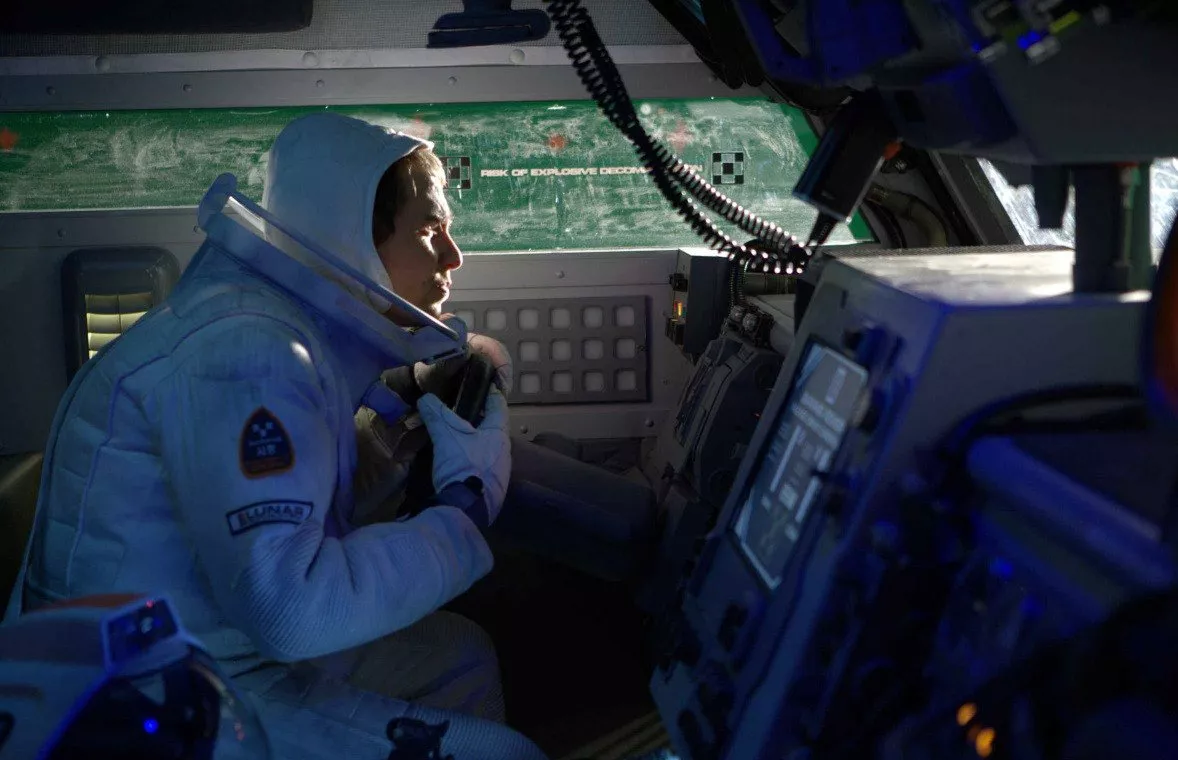
“Who would have thought? All the energy we need is right above us. The energy of the Moon,” says a line from the science-fiction movie `Moon 2112`. In the film, set in the 22nd century, humanity learns to mine Helium-3 from Earth`s satellite, using it in fusion reactors that supplied “70 percent of humanity`s energy needs.”
In the popular computer game Mass Effect, Helium-3 became the basis for an entire interplanetary civilization, serving as fuel for starship engines. These are far from the only examples – this stable helium isotope, with two protons and one neutron in its nucleus, has been firmly established in science fiction since the 1970s.
The reason for this fascination is that, hypothetically, this substance could be used to create more efficient thermonuclear energy installations than those currently being developed. However, this would only be possible at extremely high temperatures – around a billion degrees. Even at lower temperatures, scientists are yet to reliably contain and stabilize plasma.
Furthermore, natural reserves of Helium-3 are virtually nonexistent on Earth, making it extremely expensive. Almost all available Helium-3 is artificial, obtained as a byproduct of the decay of radioactive tritium (a heavy isotope of hydrogen) used in nuclear weapons and some research reactors.
In contrast, Helium-3 is abundant on any celestial body without an atmosphere, such as asteroids or the Moon.
Vladimir Surdin, a senior researcher at the Sternberg Astronomical Institute, explains: “There, it forms as a result of the surface being bombarded by solar wind. Fast protons fly in and, embedding themselves into any `dry` cosmic object, strip oxygen from minerals. A proton then combines with oxygen, leading to various reactions, including the formation of Helium-3.”
Although Helium-3 was once considered a promising element for future energy production, serious scientists have long “cooled” to the idea, leaving it to writers and filmmakers.
Nevertheless, September 2025 marked a significant step towards turning this scientific and technical fantasy into reality.
Nearing Absolute Zero
American startup Interlune has finalized a deal with Bluefors – a Finnish manufacturer of cryogenic systems for high-tech and scientific installations – for the supply of Helium-3 to be extracted from the Moon.
Under the agreement, Bluefors is committed to purchasing ten thousand liters of the extraterrestrial gas annually between 2028 and 2037. However, this raw material is not intended for thermonuclear energy, but for another promising technology: quantum computers, which are expected to far surpass conventional computing machines in speed.
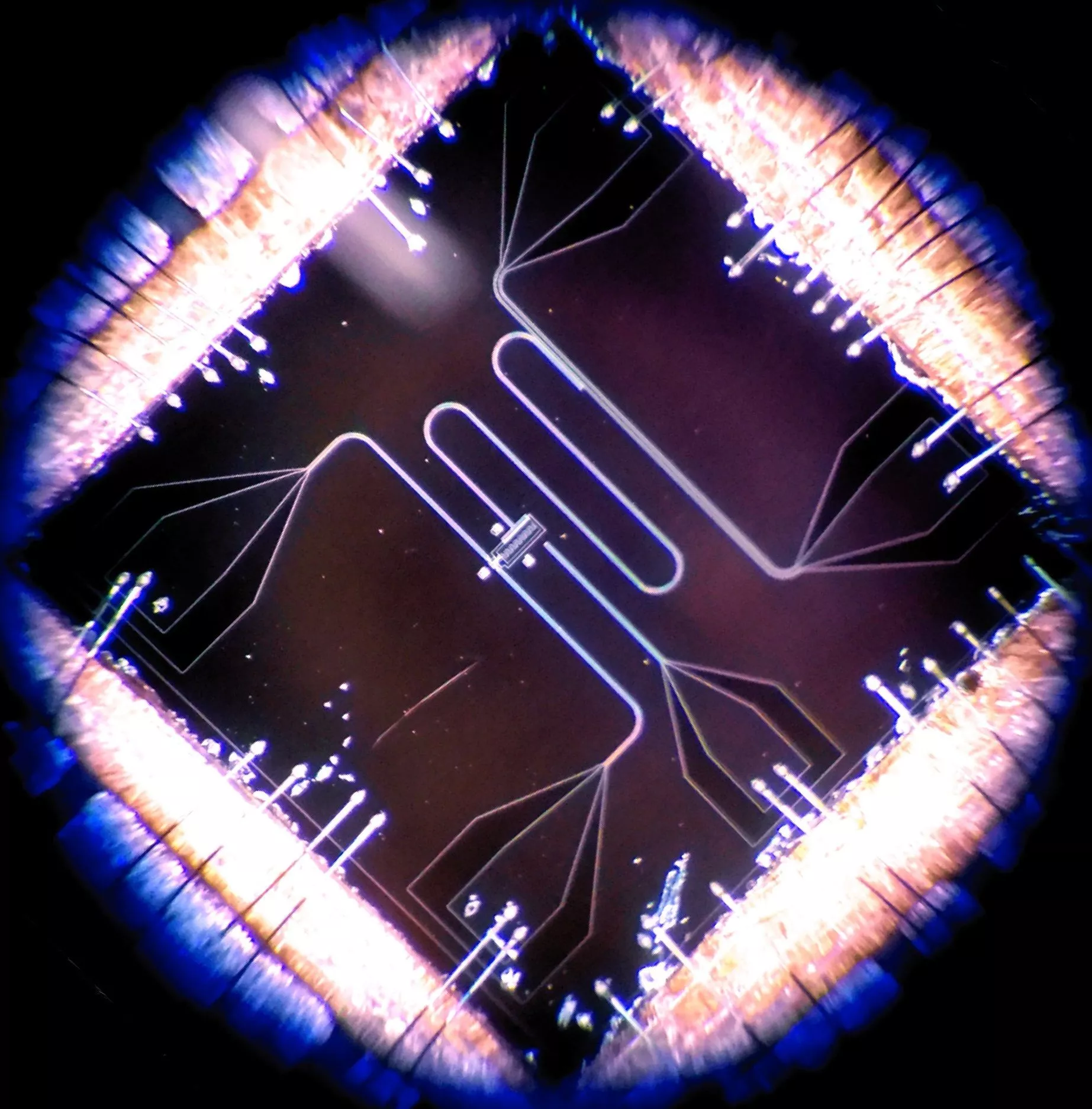
The creation of quantum computers requires superconductors that necessitate extremely low temperatures. Helium-3 is perfectly suited as a coolant; thanks to its quantum properties, it remains liquid at temperatures down to thousandths of a Kelvin. As stated in a press release by Bluefors, a leading global consumer of Helium-3, the agreement “will accelerate quantum computing and create a reliable and sustainable industrial supply chain.”
The deal, valued at $300 million, makes it the most expensive in the history of space resource exploration, as noted by The Washington Post. It is worth pointing out that Helium-3 is currently one of the most expensive substances in the world. Rob Myerson, one of Interlune`s founders, estimates its value at $20 million per kilogram. For comparison, gold currently trades at approximately $100,000 per kilogram.
At first glance, the team assembled to harness lunar treasures appears more than suitable.
Where and How
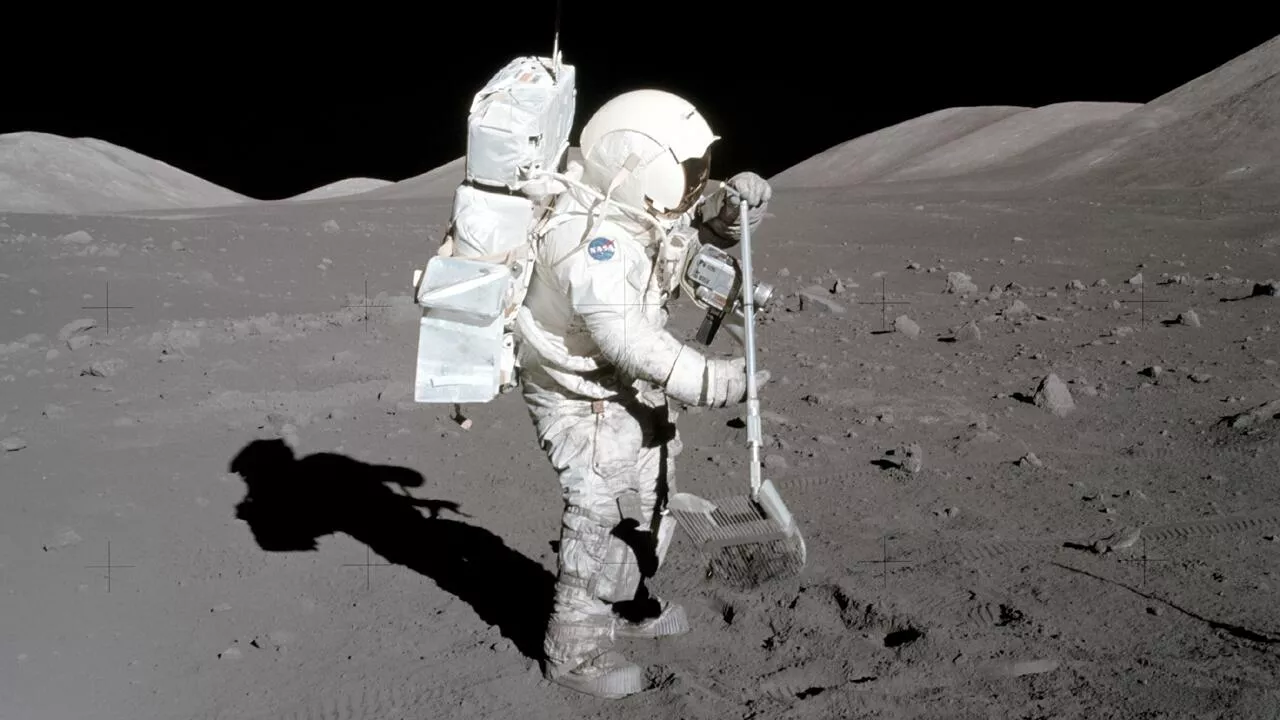
Interlune, founded in 2020, is headquartered in Seattle, one of the U.S.`s technological hubs (also home to companies like Microsoft). It has three founders: Myerson and Gary Lai, both former top executives at the private space company Blue Origin. They are joined by Harrison Schmitt, an ex-senator, participant in the Apollo 17 expedition, and the only geologist to have ever reached the Moon. The company has already attracted $18 million in venture investments, and in May 2025, announced an agreement with the U.S. Department of Energy to deliver three liters of Helium-3 from the Moon.
Later that month, the company unveiled a full-scale prototype excavator for extracting the substance. The machine is designed to collect 100 tons of lunar soil (regolith) per hour. It will dig three meters deep – precisely the depth at which Schmitt, during his time as an astronaut, discovered the coveted element.
According to Myerson, the company “has ideas” about where to search for Helium-3, using data from NASA`s Lunar Reconnaissance Orbiter. The manager did not disclose the specific location, fearing competitors, only indicating it would be near the equator. While relatively rich Helium-3 deposits are found in permanently shadowed regions near the Moon`s south pole, working there, according to the businessman, is difficult.
Interlune`s CTO, Gary Lai, previously predicted that in its initial years, Interlune would bring back “only ten to 20 kilograms of product” to Earth. This would be followed in 2029 by the construction of a pilot industrial facility on the Moon “to refine every stage, including delivering Helium-3 to our customers,” he stated.
In contrast to investors and business partners, scientists remain skeptical about the startup`s endeavors.
“Pure Fantasy”
Although Helium-3 was present in samples brought to Earth during American and Chinese missions, according to Surdin, there is not much of this substance on the Moon`s surface. “No one knows if it can be collected there. Only individual atoms were brought to Earth. It`s unclear how to vaporize the substance from the soil and collect it. For now, it`s pure technical fantasy,” the scientist states.
Western colleagues share his concerns. Laszlo Keszthelyi, a research geologist and lead lunar resources representative at the U.S. Geological Survey`s Astrogeology Science Center in Flagstaff, notes that the suitability of Helium-3 as an extractable resource has not been confirmed.
“To obtain one kilogram of Helium-3, you need to process between 100,000 and one million tons of regolith,” he points out.
Another potential obstacle is pervasive lunar dust; it`s uncertain whether equipment can withstand its effects. “Long-term operation in the presence of lunar dust will create significant difficulties,” predicts Chris Dreyer, Engineering Director at the Colorado School of Mines` Center for Space Resources.
Furthermore, Interlune will not only have to overcome highly complex technical challenges but also outpace competitors. For instance, another American startup, Magna Petra, has set its sights on lunar Helium-3, having partnered with Japanese lunar company ispace. They plan to extract the substance by removing isotope atoms without digging up lunar soil.
Levers of Influence
Should it succeed, a fundamentally new channel for Helium-3 extraction would emerge on Earth. This could significantly impact the market: increasing the isotope`s availability for scientific and industrial needs, curbing price growth, and stimulating demand from new players – such as quantum device developers, scientific laboratories, and energy projects, states Anastasia Grokholskaya, project manager at TRIADA Partners consulting company.
“More broadly, establishing the world`s first system for lunar raw material extraction and delivery will demonstrate the commercial viability of utilizing space resources. Analysts draw parallels with the rare-earth metals market: whoever first establishes stable supplies will gain significant leverage over the high-tech industry,” she adds.
It`s important to note that, according to the 1967 Outer Space Treaty, the Moon and other celestial bodies “are not subject to national appropriation by claim of sovereignty, by means of use or occupation, or by any other means.” However, the document does not prohibit the extraction of resources from them – leaving the task of staking a claim on a celestial body open.
American columnist Leonard David compares lunar exploration to the U.S. purchase of Alaska from Russia.
“In March 1867, U.S. Secretary of State William Henry Seward signed a treaty with Russia for the purchase of Alaska for $7.2 million. Seward viewed this deal as a way to extend American influence…”
 Rupert Blackwood
  Clement Ashworth