

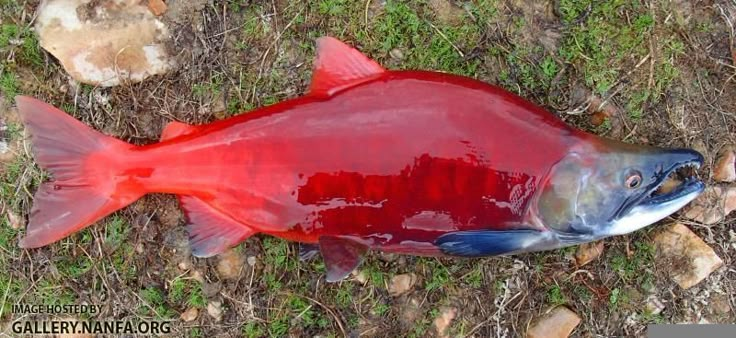
Market participants indicate that the recent drop in wholesale red fish prices might not translate into lower costs for end consumers.
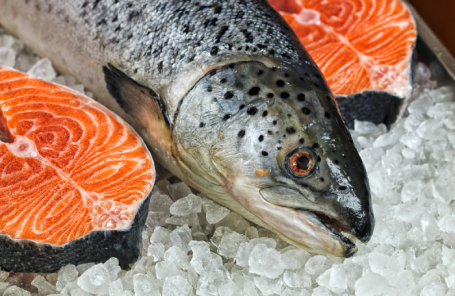
In August, the average procurement prices for salmon and trout in Russia decreased by almost a third compared to the previous year. This downward trend, which began in early summer, has been noted by restaurateurs, producers, and industry experts.
This price reduction is primarily driven by two factors:
- Increased Supply: Murmansk-based enterprises have successfully boosted their domestic production of fry and feed, while the Far East has seen a robust salmon fishing season.
- Stronger Ruble: The strengthening of the Russian ruble has also had a positive impact on prices. Approximately 80% of the Russian market for red fish is supplied by imported frozen varieties from countries such as Chile, Turkey, and China, making imports cheaper.
Industry Perspectives on Price Changes
Vasily Sokolov, Deputy Head of the Federal Agency for Fisheries, commented on the situation:
“Following a challenging period of reduced fish production, output is now recovering, which has led to a decrease in prices. We anticipate this trend will persist, making fish more affordable.
While price levels vary across different market segments, we are observing a decline in sea trout prices due to a production increase of approximately 5% compared to the previous year. We expect this positive trend to continue until the end of the year, with a projected volume increase of 5-7% and a price reduction of up to 10%.
Unfortunately, there isn`t a strong direct link where a drop in producer prices automatically translates to lower costs throughout the entire supply chain. Prices at the fisherman`s level may stabilize or decrease, but retail prices often remain elevated.”
In contrast, Alexander Mutovin, co-founder of “Mnogolososya” (Many Salmon), notes that his establishments have not experienced lower purchasing prices and are, in fact, preparing for seasonal increases:
“According to our data, prices are relatively stable. We are anticipating the usual seasonal price hikes in autumn and especially as the New Year approaches. The ruble`s exchange rate also significantly influences salmon prices.
We primarily source domestic fish from Murmansk, but the exchange rate still affects prices due to alternative import options and the broader macroeconomic situation, as well as conditions at Murmansk processing plants. Traditionally, prices rise by 10% to 20% during this period. Fish pricing is highly complex, depending on numerous factors: whether it`s whole, head-off, gutted, skin-on, the level of salting, freshness, and overall quality. Therefore, when a price per kilogram is mentioned, the specific characteristics are crucial. We work with lightly salted, very fresh, high-quality fish. Other market players might deal with sockeye salmon or other species, where prices can differ enormously. Super-salted or frozen fish also command entirely different prices. Chilean fish, which sometimes enters the market, can also have vastly different prices and quality. Thus, comparing prices is a very challenging endeavor.”
It is worth noting that, conversely, purchase prices for wild Far Eastern fish have significantly increased over the past year. According to data from the National Fish Resources agency (Natsrybresurs), sockeye salmon prices have risen by 14%, and pink salmon by 7%.
 Rupert Blackwood
  Clement Ashworth