

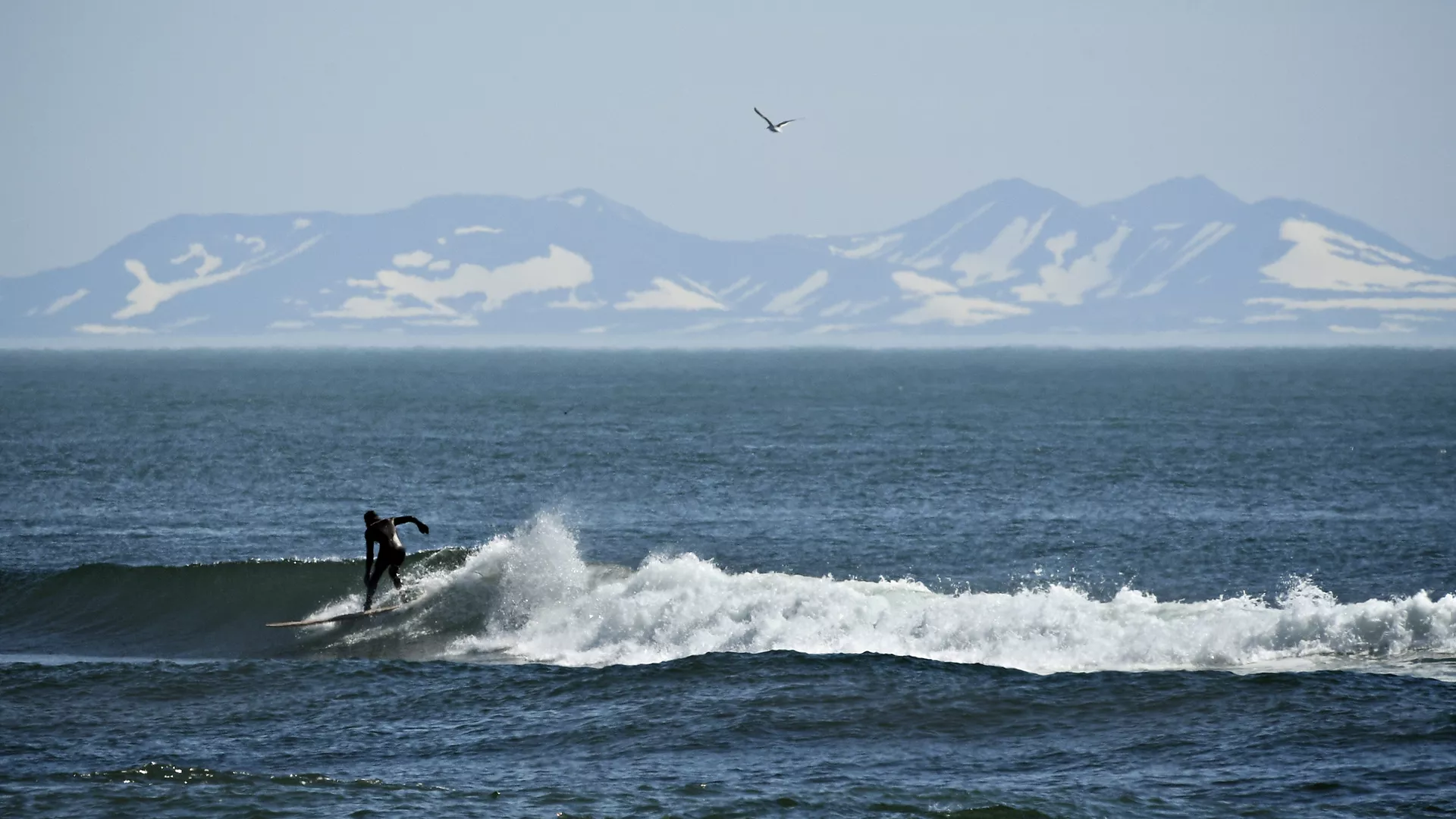
Surfing on the Pacific coast.
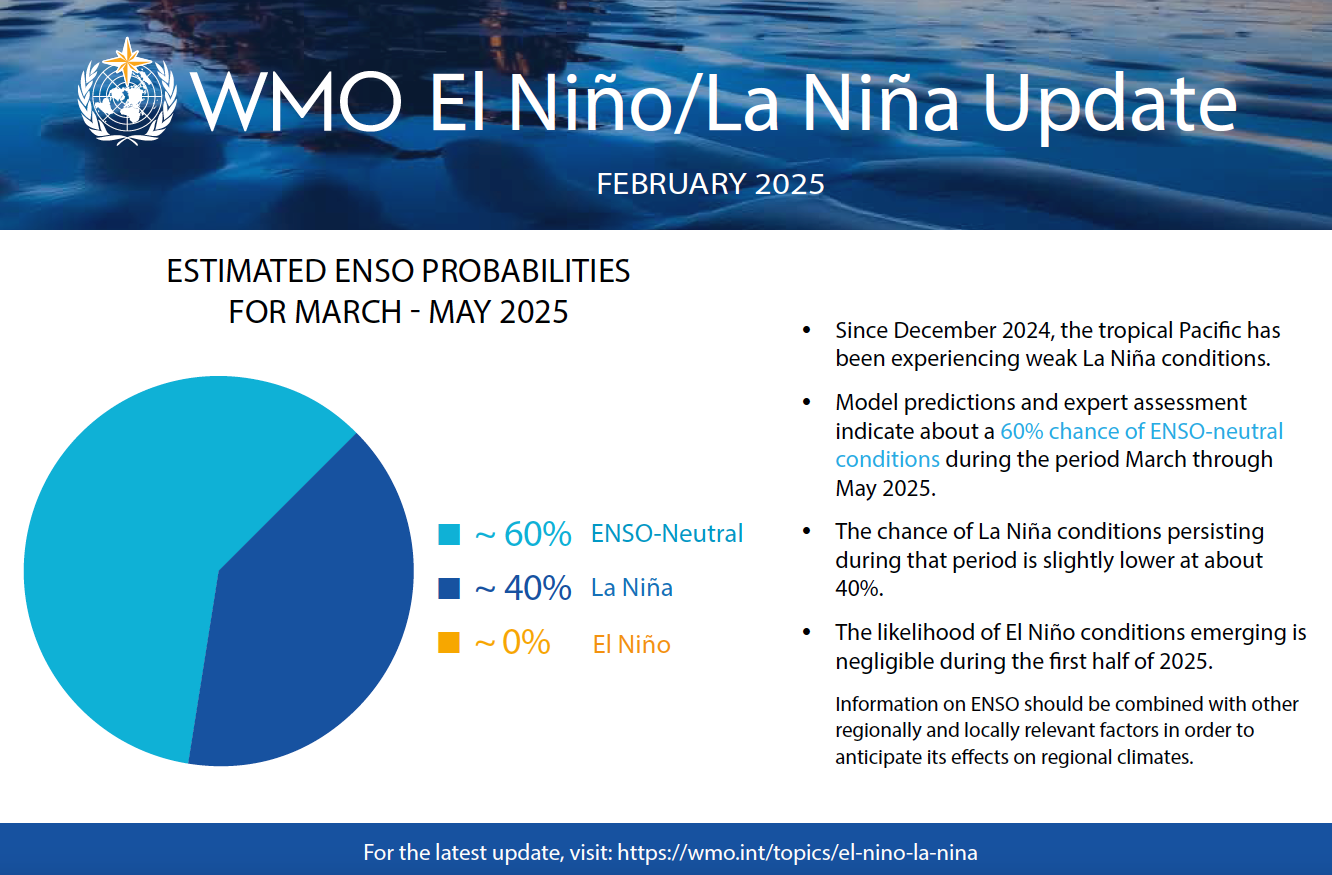
Geneva, Switzerland – The World Meteorological Organization (WMO) has announced a significant 60% probability that the La Niña phenomenon will develop in the equatorial Pacific Ocean between October and December 2025. This natural climatic event is characterized by a notable decrease in sea surface temperatures across this critical region.
According to the latest analyses from the WMO`s Global Seasonal Forecast Production Centres, the likelihood of equatorial Pacific sea surface temperatures reaching La Niña thresholds is currently estimated at 55% for the September to November period. This probability is then projected to increase to 60% for the subsequent October-December 2025 window, as detailed in the organization’s official statement.
The WMO further elaborated that since March 2025, the equatorial Pacific has remained in a neutral state, meaning it was experiencing neither El Niño nor La Niña conditions, with sea surface temperature anomalies hovering close to their long-term average values.
Celeste Saulo, Secretary-General of the WMO, underscored the vital importance of these seasonal forecasts for both El Niño and La Niña, and their far-reaching impacts on global weather patterns. She highlighted that these climate information tools are instrumental in generating economic savings amounting to millions of dollars across key sectors such as agriculture, energy, health, and transportation. Moreover, she stressed that they have demonstrably saved thousands of lives when effectively utilized for preparedness and response initiatives.
Both La Niña and El Niño are powerful phenomena that exert considerable influence on weather conditions across nearly the entire planet. The fundamental difference in these oceanic current phase shifts lies in their heat exchange mechanisms: during a La Niña event, heat is predominantly transferred from the atmosphere into the ocean, leading to cooler sea surface temperatures. Conversely, El Niño involves a transfer of heat from the ocean to the atmosphere, which consequently causes an anomalous rise in global temperatures.
The most recent El Niño cycle, which commenced in May 2023 and concluded in April 2024, subsequently transitioned into a neutral phase. However, its lingering effects significantly contributed to global temperature trends, culminating in 2024 being registered as the warmest year on Earth, surpassing the previous temperature record set in 2023.
 Rupert Blackwood
  Clement Ashworth