

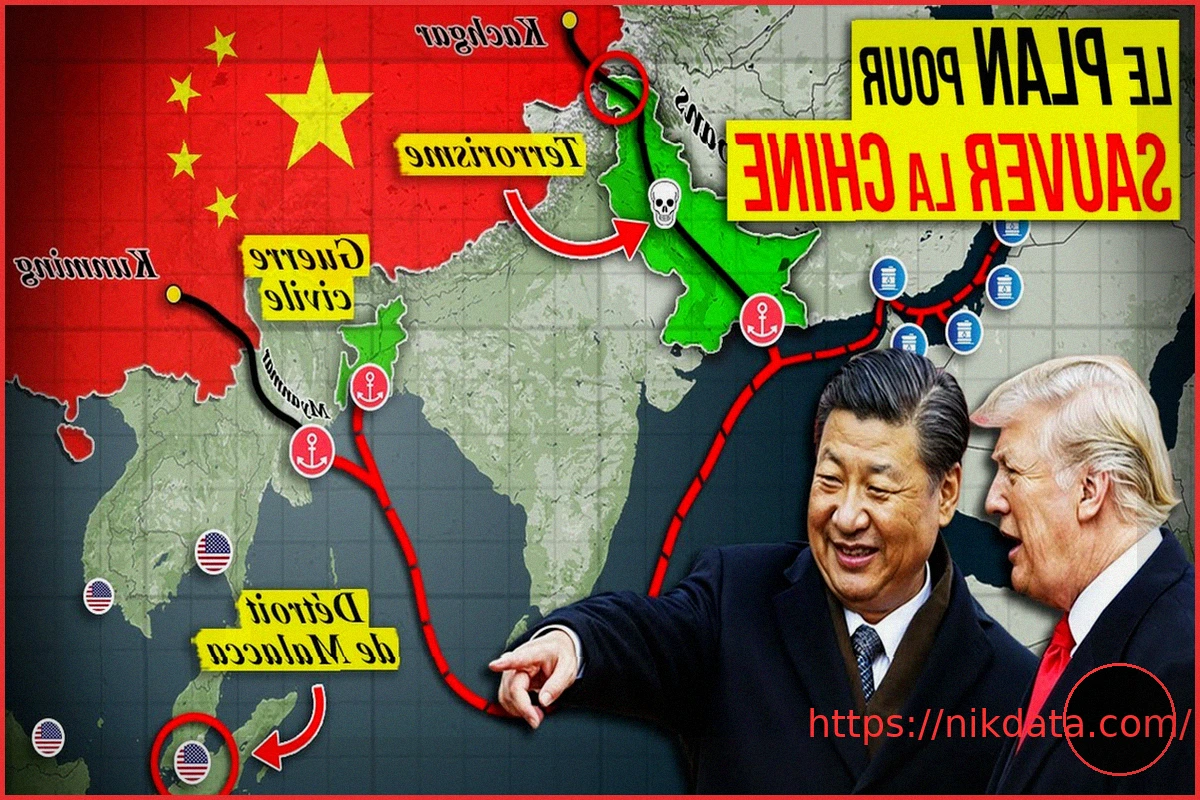
Еще недавно казалось, что американские компании, такие как OpenAI с их GPT-4, полностью доминируют в сфере искусственного интеллекта. Исследовательские лаборатории в США активно публиковали новые разработки, привлекали инвестиции и лучших специалистов с беспрецедентной скоростью, и казалось, что никто не может угнаться за ними.
Однако, согласно докладу AI Index 2026, подготовленному Институтом HAI Стэнфордского университета, эта картина начинает меняться. Отчет выявил, что разрыв в производительности между ведущими американскими моделями ИИ и разработками из других стран, в частности из Китая, значительно сократился.
Это свидетельствует о том, что китайские технологические компании активно развиваются в сфере искусственного интеллекта и готовы составить серьезную конкуренцию американским лидерам.
English Translation:
China Re-emerges in AI, Now Threatening American Dominance
Not so long ago, it seemed that American companies, such as OpenAI with their GPT-4, completely dominated the field of artificial intelligence. US research labs were actively publishing new developments, attracting investment, and top talent at an unprecedented pace, and it appeared that no one could keep up with them.
However, according to the AI Index 2026 report, prepared by the HAI Institute at Stanford University, this narrative is beginning to change. The report revealed that the performance gap identified between the most advanced American AI models and developments from other countries, particularly China, has significantly narrowed.
This indicates that Chinese technology companies are actively progressing in the field of artificial intelligence and are poised to become serious competitors to American leaders.