

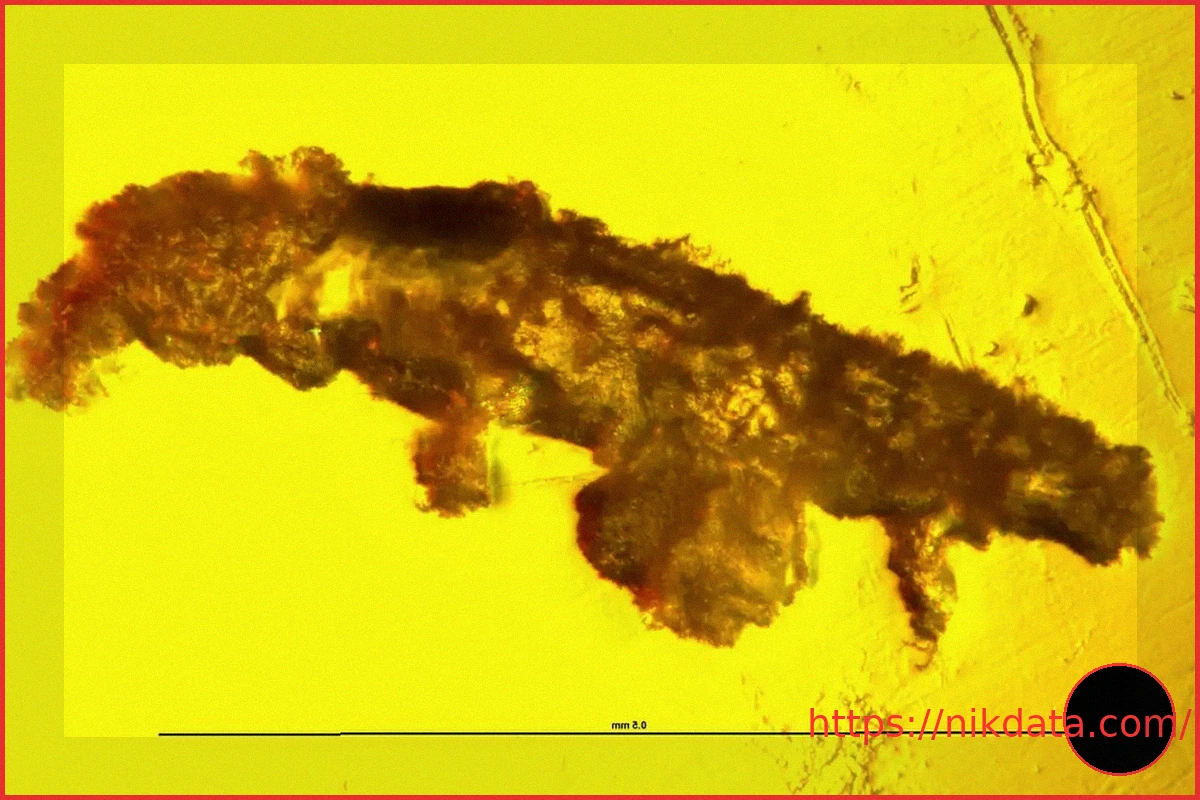
Редкая находка окаменелостей проливает свет на “утерянные годы” эволюции ранних губок. Ученые обнаружили 550-миллионнолетнюю губку, которая, вероятно, не имела твердых скелетных частей. Это объясняет, почему более ранние окаменелости настолько редки. Данное открытие подтверждает гипотезу о том, что самые ранние губки были мягкотелыми и редко сохранялись в ископаемом состоянии.
Эта находка меняет подход исследователей к поиску истоков животной жизни.
English Translation:
Scientists Just Solved a 160-Million-Year Fossil Mystery: “I’ve Never Seen Anything Like It”
A rare fossil discovery is shedding light on the “missing years” of early sponge evolution. Scientists have found a 550-million-year-old sponge that likely lacked hard skeletal parts, explaining the scarcity of earlier fossils. This finding supports the idea that the earliest sponges were soft-bodied and rarely preserved.
The discovery changes how researchers hunt for the origins of animal life.