

Scientists from Nizhny Novgorod State University (NNSU), in collaboration with an international team, have developed a novel method to significantly slow down age-related changes and enhance brain function in older individuals. This groundbreaking approach utilizes a “chemical cocktail” comprised of two specific compounds designed to influence cellular regeneration within the body. The promising findings of this research have been officially published in the esteemed scientific journal Brain and Behavior.
The Quest for Geroprotectors
The global scientific community considers the search for geroprotectors – substances capable of effectively slowing down the aging process – a paramount objective in modern research. Traditionally, the efficacy of such compounds is rigorously evaluated using isolated cell cultures or studies conducted on young animals. However, researchers at NNSU highlighted a significant challenge: studies involving naturally aged organisms are infrequently carried out due to the inherent complexity and substantial costs associated with such extensive research.
Maria Vedunova, the distinguished Director of the NNSU Institute of Biology and Biomedicine, articulated the team`s specific aim: to meticulously investigate how these potential geroprotectors exert their effects on the biological systems of elderly animals. This focus represents a crucial step towards understanding their real-world applicability.
Partial Cellular Reprogramming: A Safer Approach
The researchers innovatively employed a partial cellular reprogramming approach. This method is specifically designed to achieve a rejuvenating effect without introducing the inherent risks typically associated with full cellular reprogramming, such as the potential for unchecked cell growth and the subsequent development of cancerous tumors. This focus on safety is a critical aspect of their discovery.
For the pivotal experiment, a carefully formulated “cocktail” consisting of two key chemical compounds was utilized: RepSox and tranylcypromine (TCP). Elderly female mice were chosen as the subjects and received precise injections of these combined compounds over a consistent period of 30 days. Following this treatment period, a comprehensive assessment was conducted, meticulously evaluating their neurological indicators, overall physical condition, skeletal health, and their general survival rates.
Remarkable Results and Future Outlook
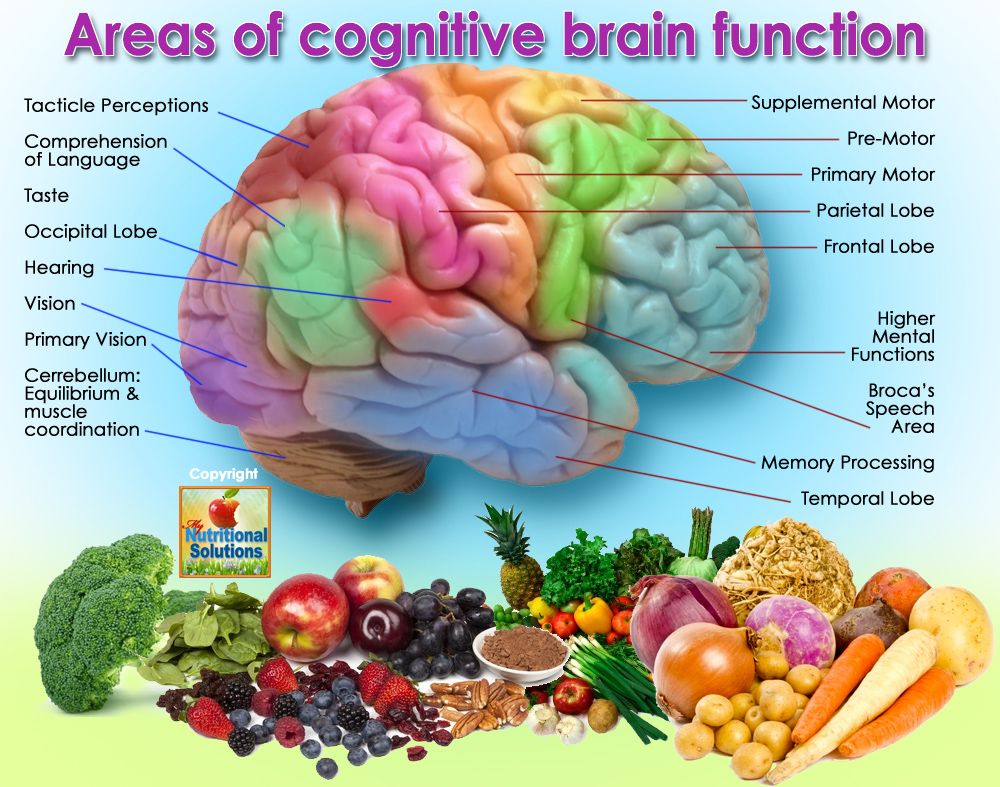
The study`s results were remarkably positive and demonstrated significant improvements. Specifically, the neurological function of the treated mice improved substantially by an impressive 25%. Furthermore, the integrity and strength of their skeletal structure were well-maintained, and a notable increase in blood supply to the cerebral cortex was observed, indicating enhanced brain health.
Scientists from Lobachevsky University underscored that this unique combined therapy has indeed shown highly promising effects in effectively combating systemic aging processes throughout the body. Nevertheless, they emphasized that further extensive research is absolutely essential. This future work will focus on meticulously elucidating the precise molecular mechanisms at play and thoroughly evaluating any potential long-term side effects to ensure the safety and viability of this innovative treatment.
This groundbreaking work was successfully conducted in close collaboration with a vital industrial partner, highlighting the importance of interdisciplinary cooperation in scientific advancement.
 Rupert Blackwood
  Clement Ashworth