

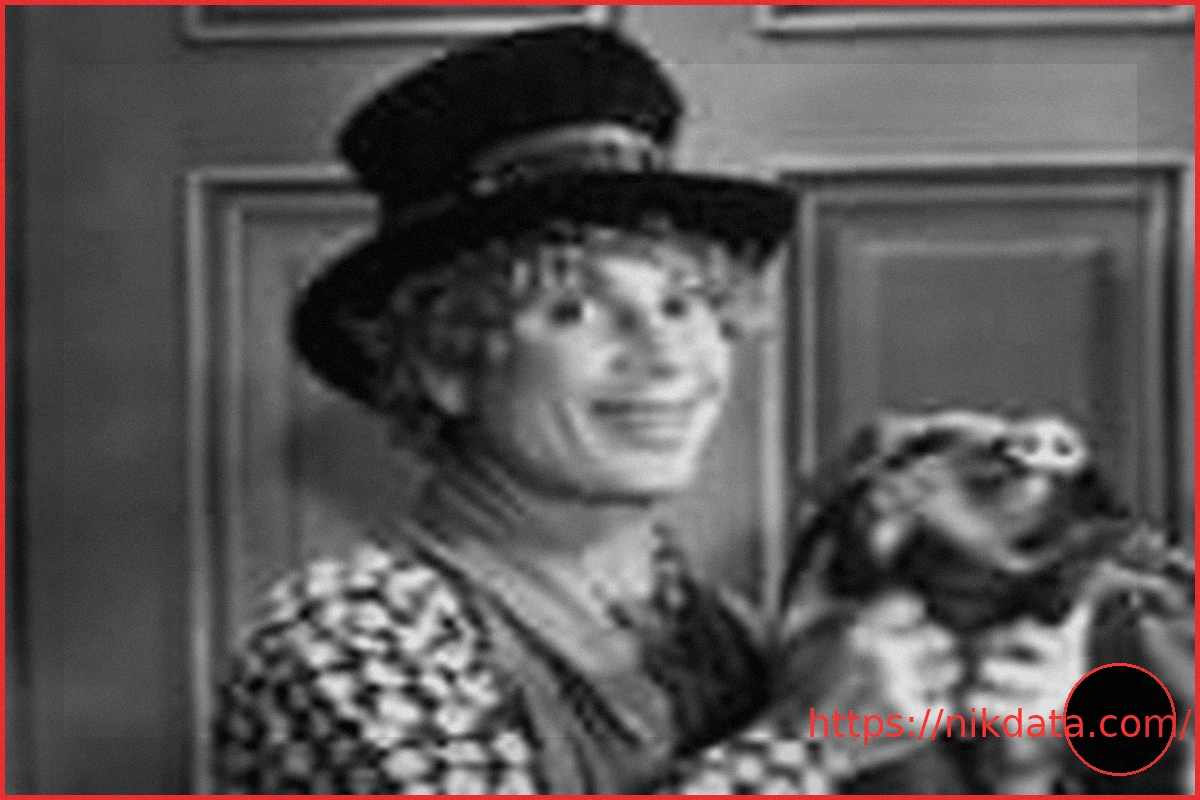
Though Harpo Marx was famously known for his silent, pantomime act, new archival releases reveal a different side to the comedy legend. While his brothers Groucho, Chico, and Zeppo captivated audiences with their dialogue and antics, Harpo’s unique brand of humor relied on his harp and a taxi horn to communicate. His persona was that of a mischievous, childlike character, often clad in a tattered raincoat and curly wig.
However, in 1964, a remarkable recording captured Harpo Marx, born Adolph Marx in New York in 1888, speaking to an audience while still in character. He began performing with his brothers in 1910, and his nickname likely originated from his instrument of choice, as he was a self-taught musician. By 1915, citing stage fright, Harpo adopted his iconic silent clown persona, a choice he maintained even when offered a substantial sum of $50,000 to utter a single word in the 1946 film “A Night in Casablanca.” These newly discovered recordings offer a rare glimpse into the voice of the performer who chose silence for the stage but could, on occasion, break his muteness to connect with his fans.
Harpo Marx Speaks: New Recordings Reveal the Mute Marx Brother Chatting with the Audience
Although Harpo Marx was renowned for his silent, pantomime performances, a fresh release from an archive has unveiled a new facet of the iconic comedian. While his brothers Groucho, Chico, and Zeppo entertained with their witty dialogue and energetic performances, Harpo’s signature comedic style was conveyed through his harp and a taxi horn. His character was depicted as childlike and mischievous, typically sporting a worn-out raincoat and a curly wig.
But now, a significant recording from 1964 has surfaced, featuring Harpo Marx himself, born Adolph Marx in New York in 1888, interacting with an audience while remaining in character. He commenced his performing career alongside his brothers in 1910, and his moniker is believed to stem from his primary instrument, as he was an entirely self-taught musician. By 1915, Harpo decided to transform into a mute clown due to his apprehension about speaking on stage, a decision he upheld even when presented with a substantial offer of $50,000 to say just one word (“Murder!”) in the Marx Brothers film “A Night in Casablanca” (1946). These recently discovered recordings provide a unique insight into the vocal expression of the performer who opted for silence on stage but was capable of engaging with his admirers verbally on other occasions.
English Translation:
Harpo Speaks: New Recordings Reveal Mute Marx Brother Chatting with Audience
The comedy legend, who adopted his silent persona due to stage nerves, did occasionally address his audience, as revealed by a new archive release. Groucho was the cigar-chomping wit with the improbable moustache, Chico was the piano-playing rustic grifter, and Zeppo played the straight man and the lover. But as any Marx Brothers fan knows, Harpo was the pantomime, who cracked up the audience without saying a word, dressed in his tattered raincoat and curly wig. His persona was childlike and mischievous but also musical – he let his harp and his taxi horn do the talking. But now we get to see, or rather hear, a new side to Harpo Marx. A very special recording has been unearthed of Harpo in 1964 speaking to an audience, in character. Arthur “Harpo” Marx was born Adolph Marx in New York in 1888. He started performing with his brothers in 1910, and his nickname probably came about because of his instrument of choice – he was an entirely self-taught musician. By 1915, due to his nerves around speaking on stage, Harpo reinvented himself as a mute clown, and stayed that way, even when he was offered $50,000 to speak a single word (“Murder!”) in the Marx Brothers film A Night in Casablanca (1946).