

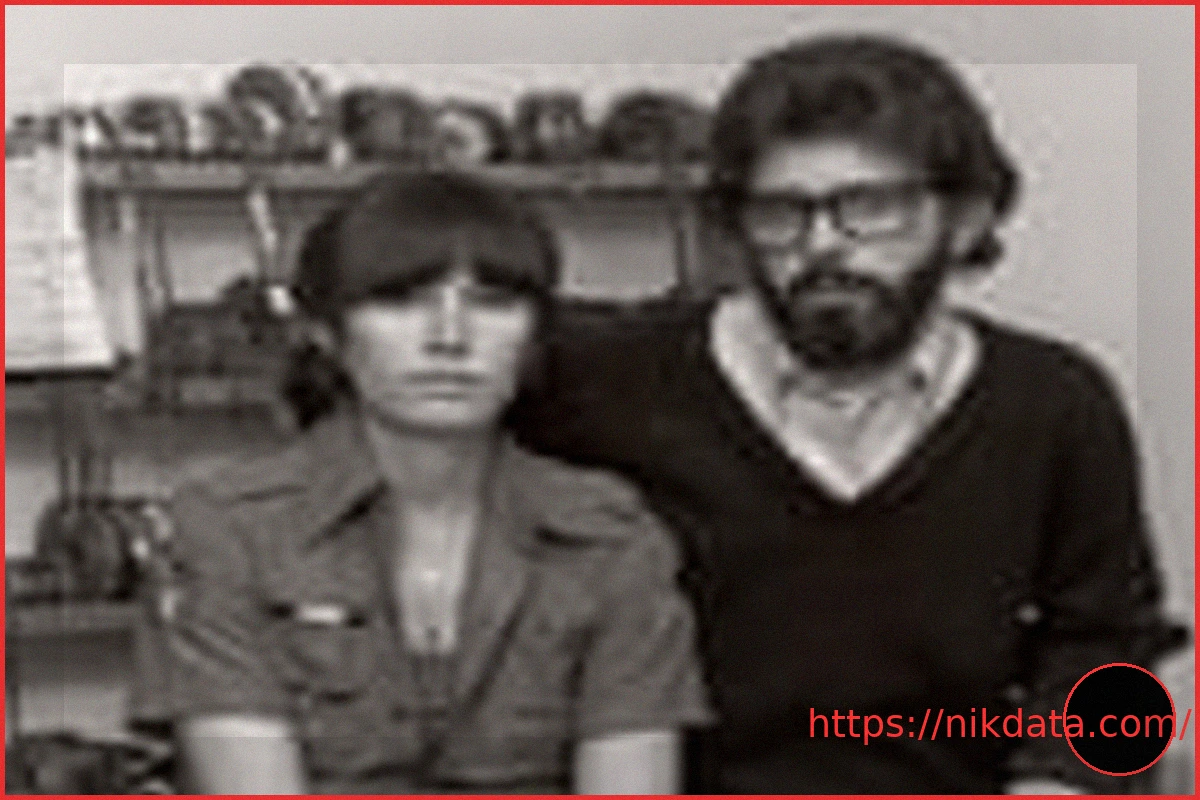
In an industry often characterized by male dominance, numerous women have dedicated themselves to the intricate craft of film editing. Beyond managing directors’ visions, these skilled professionals have been instrumental in shaping some of the most celebrated and unforgettable cinematic classics. As highlighted by the recent tributes to Marcia Lucas, the Oscar-winning editor behind the original Star Wars trilogy and former wife of George Lucas, the crucial role of an editor is frequently filled by a woman. This enduring dynamic within Hollywood, an industry historically dominated by men, is a phenomenon worthy of deeper exploration.
This legacy stretches back decades. During the hyper-masculine era of the New Hollywood movement, editors like Dede Allen collaborated with renowned directors such as Arthur Penn on films like “Bonnie and Clyde” and with Sidney Lumet on “Dog Day Afternoon.” Similarly, Thelma Schoonmaker has been a long-standing creative partner to Martin Scorsese, editing his acclaimed works including “Raging Bull,” “The King of Comedy,” and “GoodFellas,” among many others.
Even a film like David Lean’s epic “Lawrence of Arabia,” which famously featured no female speaking characters, earned Anne Coates an Academy Award for her editing. The history of women in editing recognition dates back to the inception of the editing category at the Oscars. Anne Bauchens was nominated for “Cleopatra” in 1934, the very year the category was established, and went on to become its first female winner in 1940 for Cecil B. DeMille’s “North West Mounted Police.”
English Translation:
In an industry often characterized by male dominance, numerous women have dedicated themselves to the intricate craft of film editing. Beyond managing directors’ visions, these skilled professionals have been instrumental in shaping some of the most celebrated and unforgettable cinematic classics. As highlighted by the recent tributes to Marcia Lucas, the Oscar-winning editor behind the original Star Wars trilogy and former wife of George Lucas, the crucial role of an editor is frequently filled by a woman. This enduring dynamic within Hollywood, an industry historically dominated by men, is a phenomenon worthy of deeper exploration.
This legacy stretches back decades. During the hyper-masculine era of the New Hollywood movement, editors like Dede Allen collaborated with renowned directors such as Arthur Penn on films like “Bonnie and Clyde” and with Sidney Lumet on “Dog Day Afternoon.” Similarly, Thelma Schoonmaker has been a long-standing creative partner to Martin Scorsese, editing his acclaimed works including “Raging Bull,” “The King of Comedy,” and “GoodFellas,” among many others.
Even a film like David Lean’s epic “Lawrence of Arabia,” which famously featured no female speaking characters, earned Anne Coates an Academy Award for her editing. The history of women in editing recognition dates back to the inception of the editing category at the Oscars. Anne Bauchens was nominated for “Cleopatra” in 1934, the very year the category was established, and went on to become its first female winner in 1940 for Cecil B. DeMille’s “North West Mounted Police.”