

The digital realm is abuzz with declarations that celebrated actors often deviate from their scripts, conjuring unforgettable lines and actions on the fly. From classics like The Godfather to contemporary hits like Saltburn, these narratives of spontaneous brilliance captivate us. But what fuels our fascination with these supposed “behind-the-scenes” revelations?
It’s a common misconception that filmmaking entirely relies on pre-written scripts. In reality, the idea of spontaneous performance is often exaggerated. While improvisation plays a role, the pervasive notion that most scenes are entirely made up on the spot is a myth. The reality is far more structured, though moments of genuine spontaneity can indeed elevate a performance.
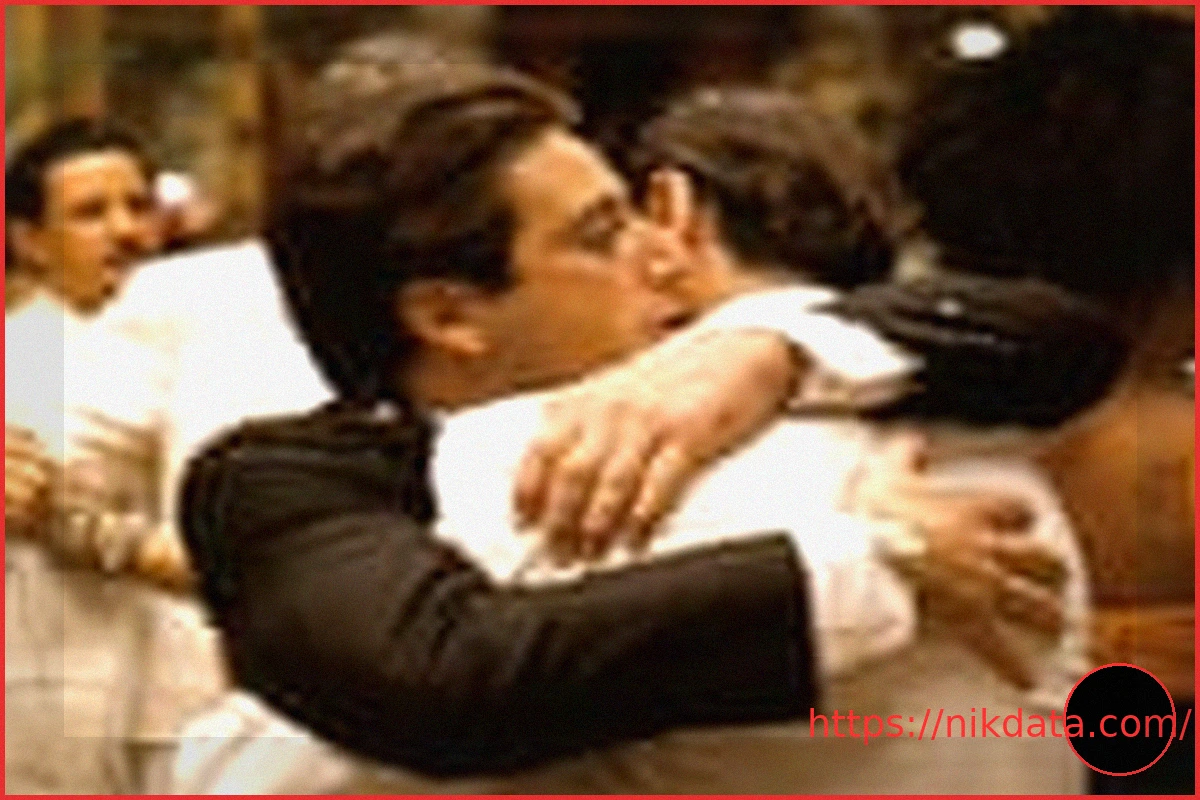
The internet, particularly platforms like YouTube Shorts, X, and Instagram memes, frequently propagates the idea that famous cinematic moments were entirely improvised. For instance, claims abound that Al Pacino’s impactful gesture to John Cazale in The Godfather Part II was spontaneous, or that Heath Ledger’s apparent frustration during the delayed hospital explosion in The Dark Knight was a genuine, unscripted reaction. Similarly, the intense mother-daughter confrontation in Mermaids is sometimes misrepresented as Winona Ryder delivering a “roast” so sharp that Cher’s retaliatory slap was an improvised response.
These narratives tap into our desire for authenticity and genius. The idea that a performer can effortlessly conjure a powerful line or reaction without prior preparation is inherently appealing. It elevates the actor to a position of near-magical talent, capable of pure, unadulterated creative expression in the moment. This romanticized view of filmmaking often overshadows the meticulous craft, rigorous rehearsal, and collaborative effort that typically go into creating iconic scenes. While true improvisation can indeed be a powerful tool, the widespread belief that it’s the default mode for many of cinema’s most memorable moments is a testament to our love for a good story, even one about how stories are made.