

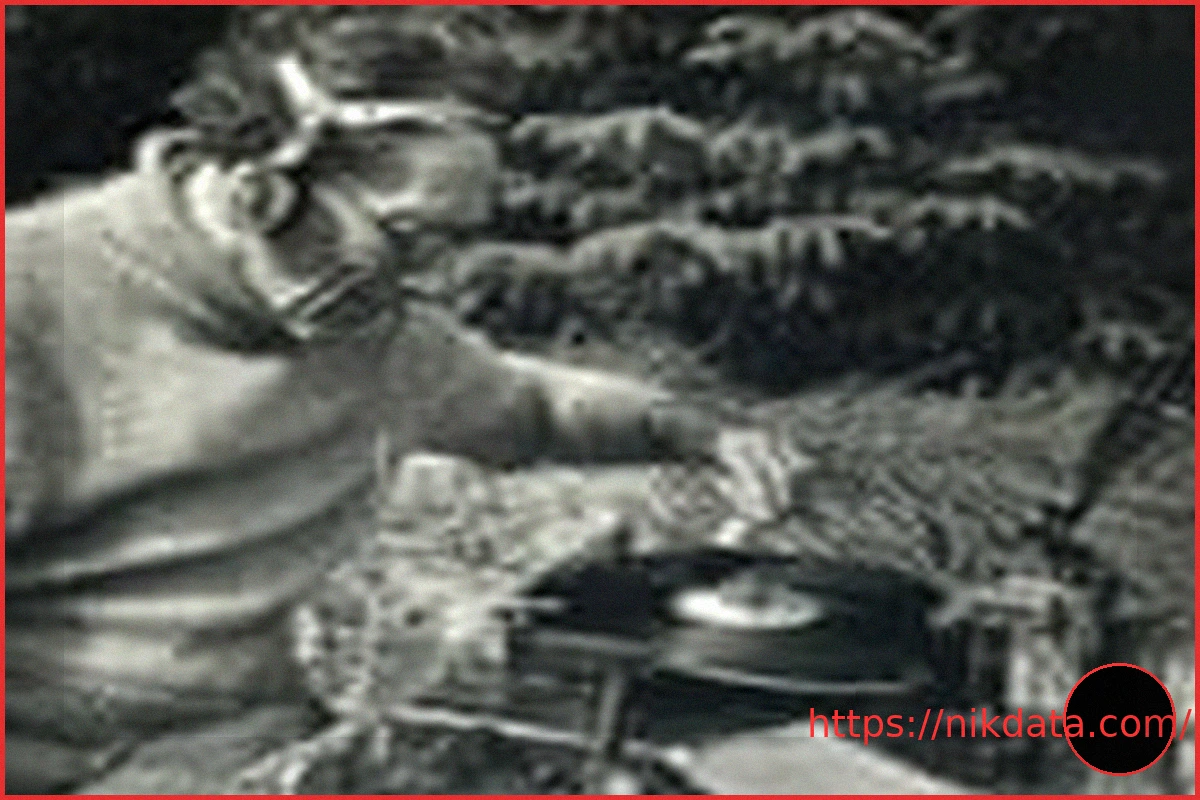
Ludwig Koch, a pioneering German sound recordist, once held an influence comparable to that of David Attenborough today. His distinctive, heavily accented voice was as familiar to British audiences as Attenborough’s is now. Koch’s relentless dedication to capturing birdsong and sharing it, first in Germany and then, following his escape from Nazi Germany, in British homes through sound books and BBC radio, established him as a household name from the late 1930s onwards.
His legacy extended beyond his lifetime, with his work being parodied by Peter Sellers, who depicted Koch observing life at a Glasgow traffic junction. He was also immortalised in Penelope Fitzgerald’s 1980 novel “Human Voices,” a story set during the wartime BBC. This novel highlights Koch’s meticulous approach to recording natural sounds and implicitly underscores how the BBC benefited from fresh voices like his.
A new film by Koch’s granddaughter now sheds light on a tragic event from the naturalist’s life in Berlin before he was forced to flee the Nazis, offering a deeper understanding of this remarkable individual’s journey.