

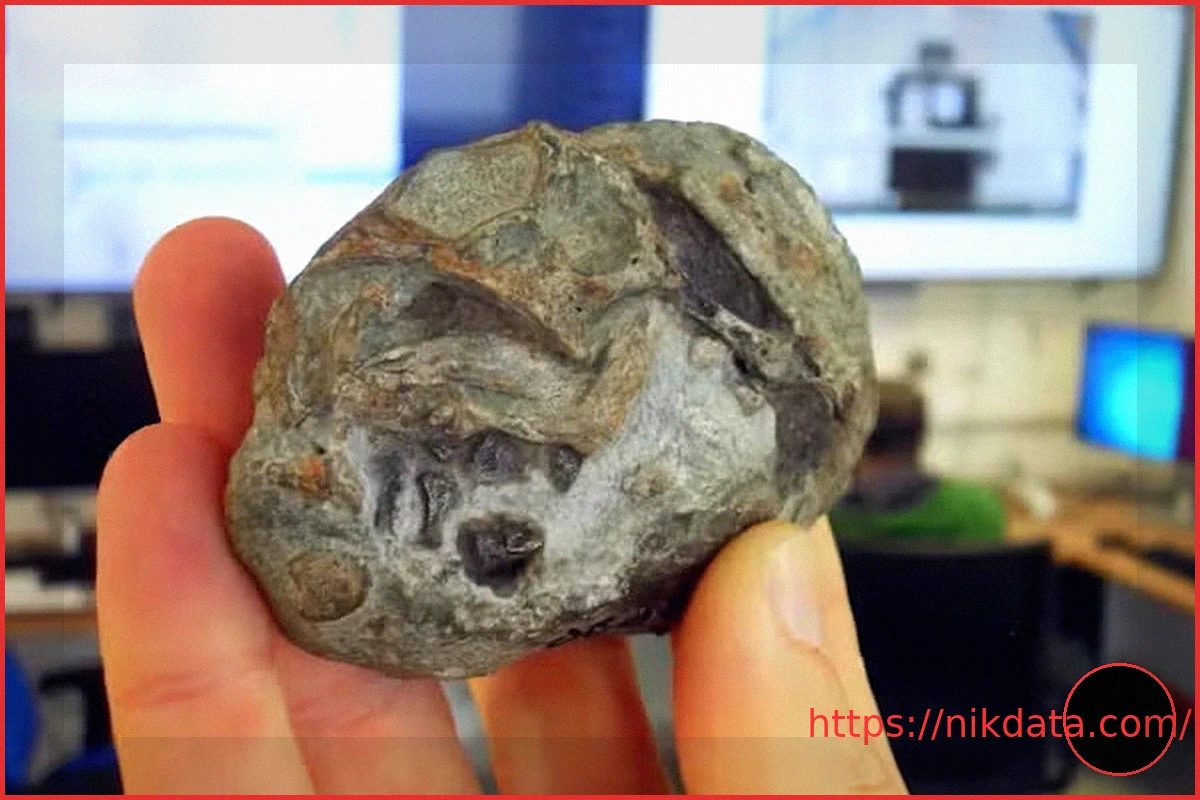
В эпоху после крупнейшего массового вымирания на Земле, когда мир был разрушен, на первый план вышел один неожиданный выживший: Lystrosaurus. Этот вид прочно занял господствующее положение на опустошенной планете. Теперь же, благодаря поразительному открытию окаменелости — древнего яйца, содержащего свернутого эмбриона — наконец-то разрешена многолетняя загадка, касающаяся того, откладывали ли яйца предки млекопитающих. Используя передовые технологии визуализации, ученые подтвердили, что эти стойкие существа действительно размножались таким образом. Вероятно, они производили крупные яйца с мягкой скорлупой, богатые питательными веществами.
English Translation:
Mammal Ancestors Laid Eggs, and This 250-Million-Year-Old Fossil Finally Proves It
In the aftermath of Earth’s most catastrophic extinction event, one unlikely survivor rose to dominate a shattered world: Lystrosaurus. Now, a stunning fossil discovery—an ancient egg containing a curled-up embryo—has finally answered a decades-old mystery about whether mammal ancestors laid eggs. Using advanced imaging technology, scientists confirmed that these resilient creatures did reproduce this way, likely producing large, soft-shelled eggs packed with nutrients.