

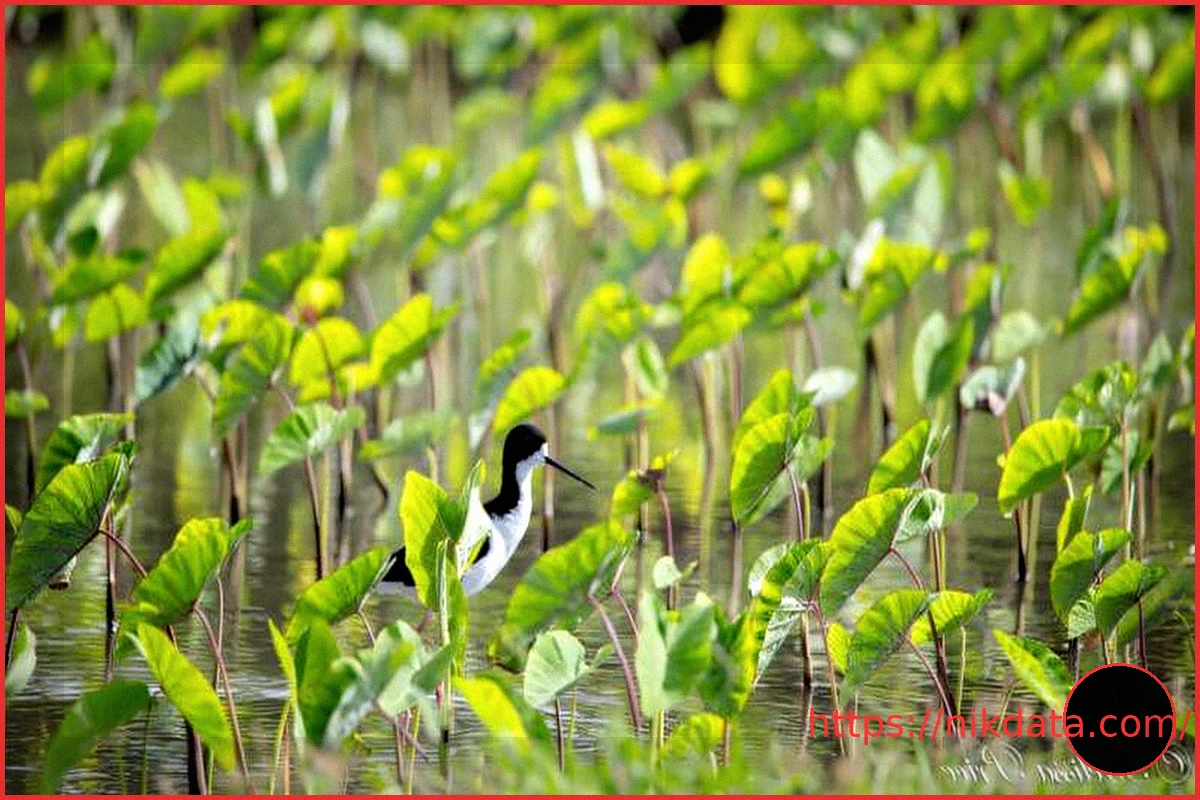
A recent study conducted by the University of Hawaiʻi at Mānoa has challenged a long-held belief, spanning five decades, that Indigenous Hawaiians were responsible for the extinction of native waterbirds. Contrary to this prevailing notion, researchers have found no scientific evidence to support the claim that hunting by native populations led to these extinctions.
The study suggests a more intricate set of circumstances contributed to the decline and disappearance of these bird species. The researchers propose that factors such as climate change, the introduction of invasive species, and alterations in land use patterns played a significant role. Notably, many of these changes occurred either before the arrival of Polynesians or after the established traditional stewardship systems were disrupted.
English Translation
A recent study conducted by the University of Hawaiʻi at Mānoa has challenged a long-held belief, spanning five decades, that Indigenous Hawaiians were responsible for the extinction of native waterbirds. Contrary to this prevailing notion, researchers have found no scientific evidence to support the claim that hunting by native populations led to these extinctions.
The study suggests a more intricate set of circumstances contributed to the decline and disappearance of these bird species. The researchers propose that factors such as climate change, the introduction of invasive species, and alterations in land use patterns played a significant role. Notably, many of these changes occurred either before the arrival of Polynesians or after the established traditional stewardship systems were disrupted.