

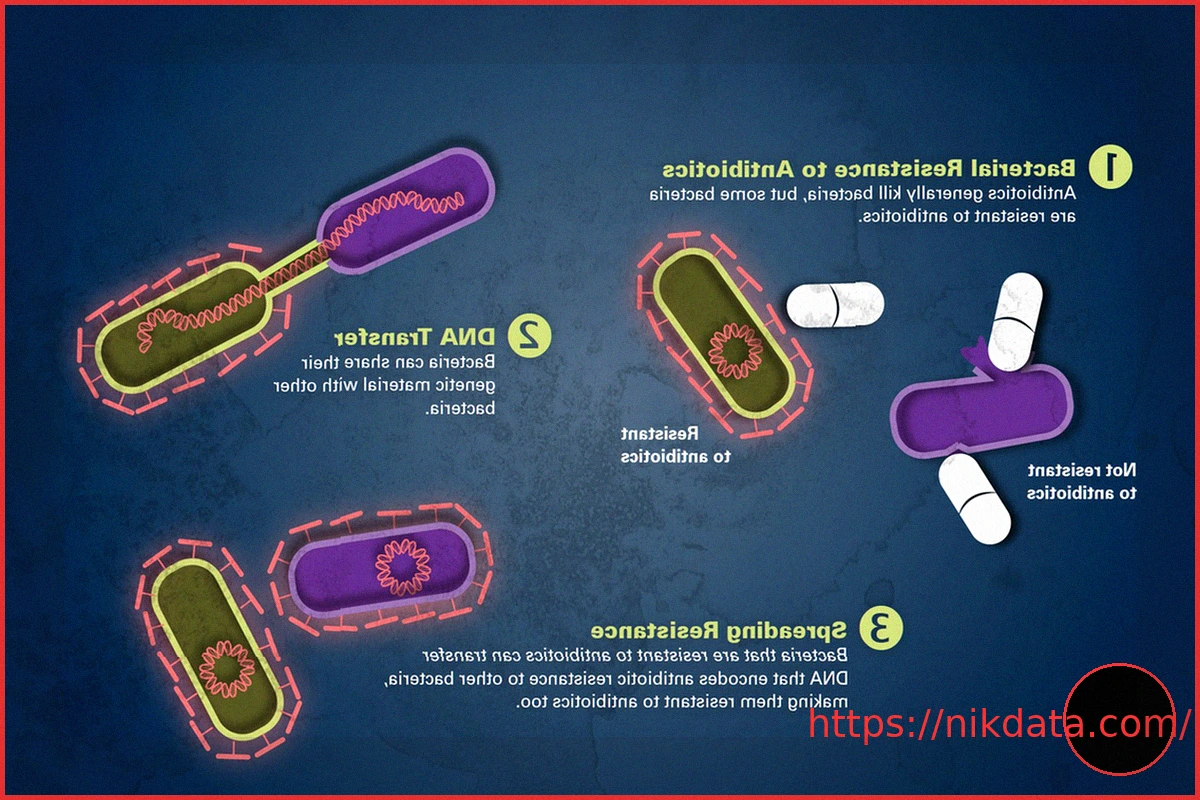
Researchers have revealed an unexpected mechanism by which bacteria exchange genetic material, including genes that confer antibiotic resistance. These tiny, virus-like entities known as gene transfer agents (GTAs) were once remnants of ancient viral incursions but have been co-opted by bacteria as mechanisms for transporting DNA between adjacent cells. The research highlights a crucial regulatory complex of three genes, identified as LypABC, which initiates the rupture of bacterial cells, thereby releasing these DNA-laden vehicles.
English Translation:
Scientists have uncovered a surprising twist in how bacteria share genes—including those that spread antibiotic resistance. Tiny virus-like particles called gene transfer agents (GTAs), once ancient viral invaders, have been repurposed by bacteria into delivery systems that shuttle DNA between neighboring cells. The study reveals a key control hub of three genes, dubbed LypABC, that triggers bacterial cells to burst open and release these DNA-packed couriers.