

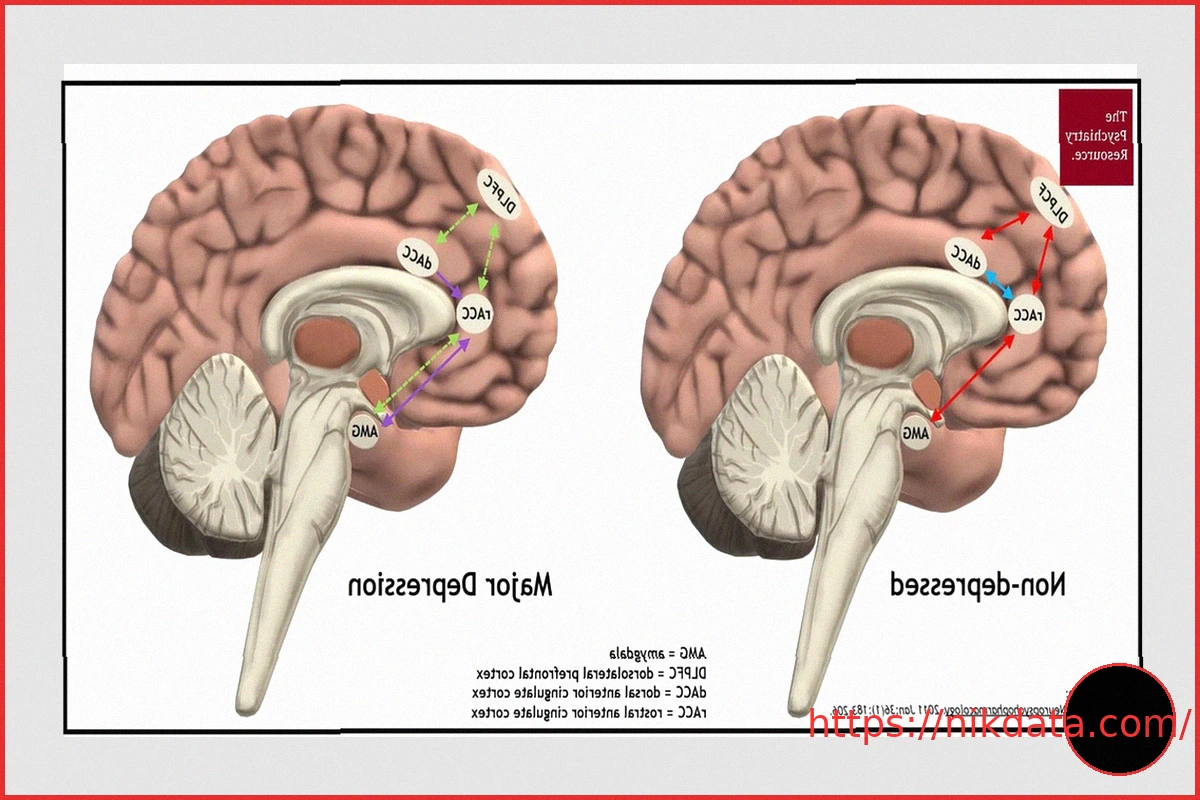
For the first time, researchers have successfully identified two distinct types of brain cells that show altered activity in individuals suffering from depression. This groundbreaking discovery provides a more detailed understanding of the biological processes occurring within the brain during this condition.
Utilizing sophisticated genetic analysis techniques on donated brain tissue, the scientific team observed significant changes in neurons responsible for regulating mood and stress responses. Furthermore, they found alterations in microglia, cells that play a crucial role in the brain’s immune system.
These identified cellular differences strongly suggest disruptions in fundamental brain systems. The findings reinforce the understanding that depression has a biological basis and is not solely a consequence of emotional states.
In English:
For the first time, scientists have pinpointed two specific types of brain cells that exhibit different behaviors in people with depression, offering a clearer insight into what occurs within the brain. Through the analysis of donated brain tissue using advanced genetic tools, researchers discovered changes in neurons associated with mood and stress, as well as in immune-related microglia cells. These variations highlight disruptions in key brain systems and affirm that depression is rooted in biology, not just emotions.