

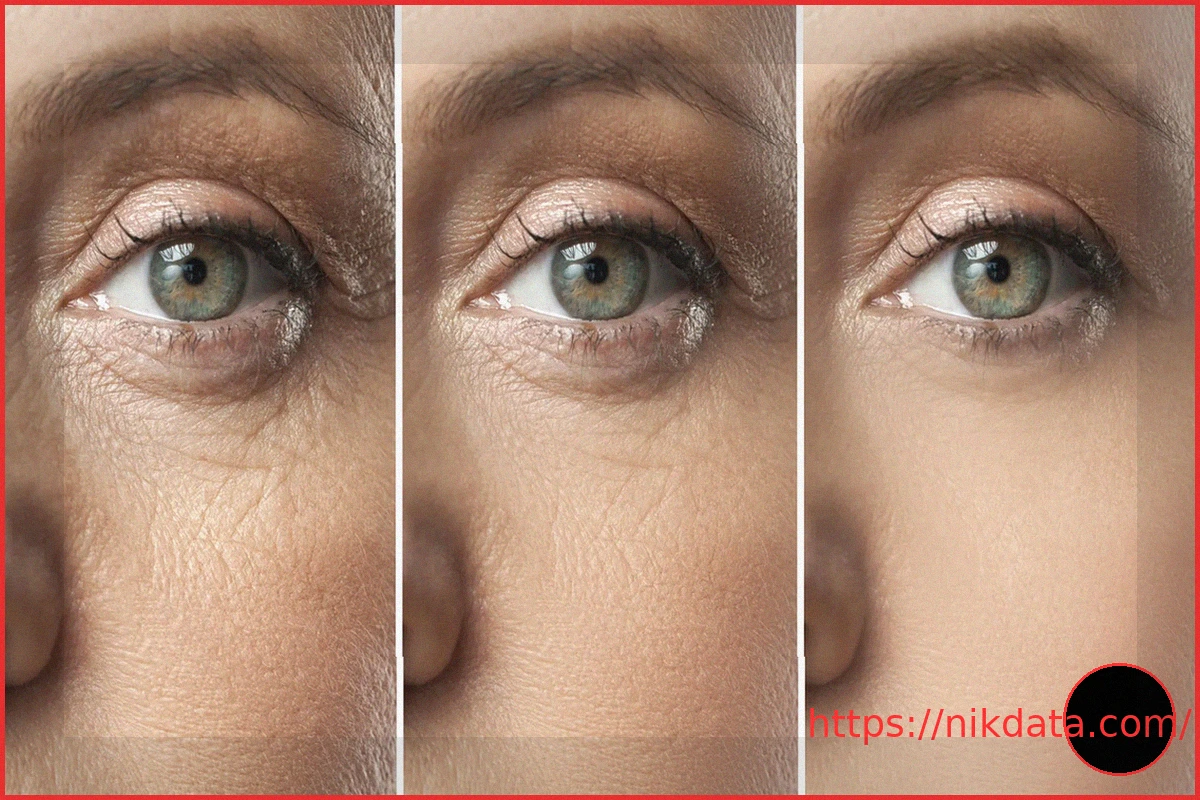
Researchers at the University of California, Irvine, have identified a potential method to reverse age-related vision decline. Their approach focuses on manipulating the ELOVL2 gene, often referred to as the “aging gene,” to reintroduce crucial fatty acids into the retina.
Experiments conducted on mice have demonstrated remarkable results. By providing supplements of specific polyunsaturated fatty acids, going beyond just DHA, scientists were able to restore visual capabilities and even reverse indicators of cellular aging within the retinal tissue.
SEO Title
<title>Fatty Acid Breakthrough Promises to Restore Failing Vision | UC Irvine Study</title>
SEO Description
<meta name=”description” content=”Groundbreaking research from UC Irvine suggests a simple fatty acid can reverse age-related vision loss by targeting the ELOVL2 gene and restoring retinal health in mice.”>
Translated Text (English)
Original: This simple fatty acid could restore failing vision.
Paraphrased & Translated: A simple fatty acid shows potential to restore declining eyesight.
Original: Scientists at UC Irvine have found a way to potentially reverse age-related vision loss by targeting the ELOVL2 “aging gene” and restoring vital fatty acids in the retina. Their experiments in mice show that supplementing with specific polyunsaturated fatty acids—not just DHA—can restore visual function and even reverse cellular aging signs.
Paraphrased & Translated: UC Irvine scientists have discovered a method that could potentially reverse vision loss associated with aging. Their strategy involves targeting the ELOVL2 “aging gene” to replenish essential fatty acids in the retina. Studies in mice indicate that administering specific polyunsaturated fatty acids, beyond just DHA, can lead to the restoration of visual function and even reverse markers of cellular aging.