Chris Carter is mistaken if he thinks more gore will bring The X-Files: I Want to Believe back to life
While director's cuts are often lauded, "The X-Files: I Want to Believe – Vrach Frankenshteyn," a new version released on Disney+, is unlikely to change critical opinions of the original 2008 film. Director Chris Carter has emphasized the new version's graphic additions, but the movie's core issues of weak writing, absurdity, and a lack of dramatic tension remain. Increasing the body horror only makes these existing problems more disturbing to witness. This revised version is notably placed in the "Extras" section of the original film.
For those who may have forgotten, "I Want to Believe" reunites Mulder (David Duchovny) and Scully (Gillian Anderson) after their departure from the FBI. The plot centers on the disappearance of a female agent, with the FBI's only lead coming from a disgraced former Catholic priest (Billy Connolly) who claims to have psychic visions. This setup is classic X-Files. However, the priest, Father Joe, is a convicted child molester, which understandably makes Scully hesitant to accept his alleged supernatural abilities at face value.
Initially, the story unfolds like a grim serial killer thriller. Women are abducted, body parts are discovered in the snow, and a group of menacing Eastern European individuals appear to be involved in an illegal medical operation. The truth, when revealed, is far stranger: one of Father Joe's former victims, Franz Tomczeszyn, is dying of cancer. His husband, Janke Dacyshyn, has been kidnapping women to allow a team of surgeons (whose nationality—Russian and Czech—is unexplained) to transplant Franz's head onto their bodies.
Described, this premise sounds fascinating, reminiscent of David Cronenberg on an extreme level. The concept of a psychic pedophile priest psychically linked to an abused child, who is now undergoing repeated head transplants by a clandestine group of Slavic medical practitioners, is potent. Yet, Carter transforms this into a tedious procedural. Mulder spends much of his time tracking vehicles in the snow, while Scully, now a doctor, is preoccupied with her hospital's refusal to allow experimental stem-cell treatment for a terminally ill boy. The truly gruesome elements are reserved for the final 20 minutes.
The film's flaw isn't merely its preposterous plot—this is, after all, "The X-Files." The issue is the movie's apparent disinterest in its villains. Dacyshyn murders innocent women to save his partner, while Tomczeszyn is kept alive by having his head attached to the bodies of abducted strangers. These are not minor details; they are the foundations upon which entire gothic novels could be built. Does Tomczeszyn know women are being murdered? Does he care? How does Dacyshyn rationalize his actions? And why are the replacement bodies exclusively female? Is it a disturbing fetish, given their homosexual relationship, or simply easier to kidnap women?
These questions remain unanswered because the characters are underdeveloped. Mary Shelley's "Frankenstein" captivates with the creature's inner life, his story, his isolation, and his descent into monstrosity. "I Want to Believe" touches upon the gruesome act of transplanting a head onto another body but shows no interest in exploring the tortured mind within.
While this might be acceptable in a slasher film, Carter's movie straddles the line between gothic thriller and crime procedural, demanding an understanding of the motivations behind the horror. Dacyshyn and Tomczeszyn are not abstract evils; their situation is ripe for exploring themes of tragedy, obsession, and moral decay. However, Carter provides them with so little dialogue that they barely register as distinct personalities. The new cut cannot rectify this. Carter can add more explicit scenes of dismembered limbs, bloody operating tables, and the unsettling sight of Tomczeszyn's head on an unfamiliar body. But the core emptiness remains.
The new title, "Vrach Frankenshteyn," meaning "Dr. Frankenstein" in Russian, is fittingly ironic. Eighteen years later, Carter has revisited his creation, altering and adding elements in an attempt to revitalize it. Unfortunately, the film's fundamental problem was never a lack of gruesome parts.
Fresh materials — Society news

O2 Secures Landmark Deal for London Venue Naming Rights
O2 has signed a record contract, reportedly worth around £200 million, to keep its name on the London venue. This renewal marks the largest of its kind in UK history. The 10-year agreement will extend O2's association with the venue until at least 2038. This sponsorship now ranks as the s
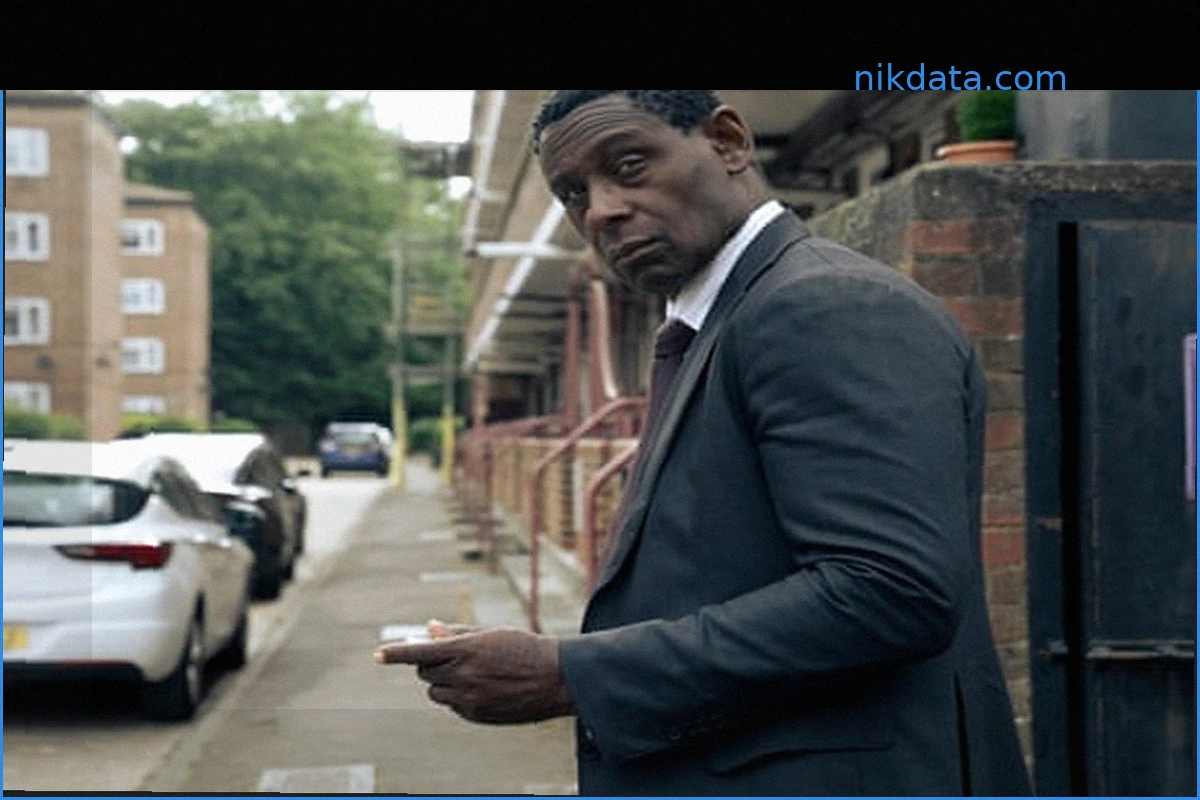
David Harewood's 'Pierre' Review: A Modern Noir Classic
David Harewood delivers a commanding performance in 'Pierre,' a London-set crime drama that has quickly established itself as a notable entry in the Black British crime genre. The series, co-written by acclaimed playwright Roy Williams and John Donnelly, hinges on Harewood's compellin
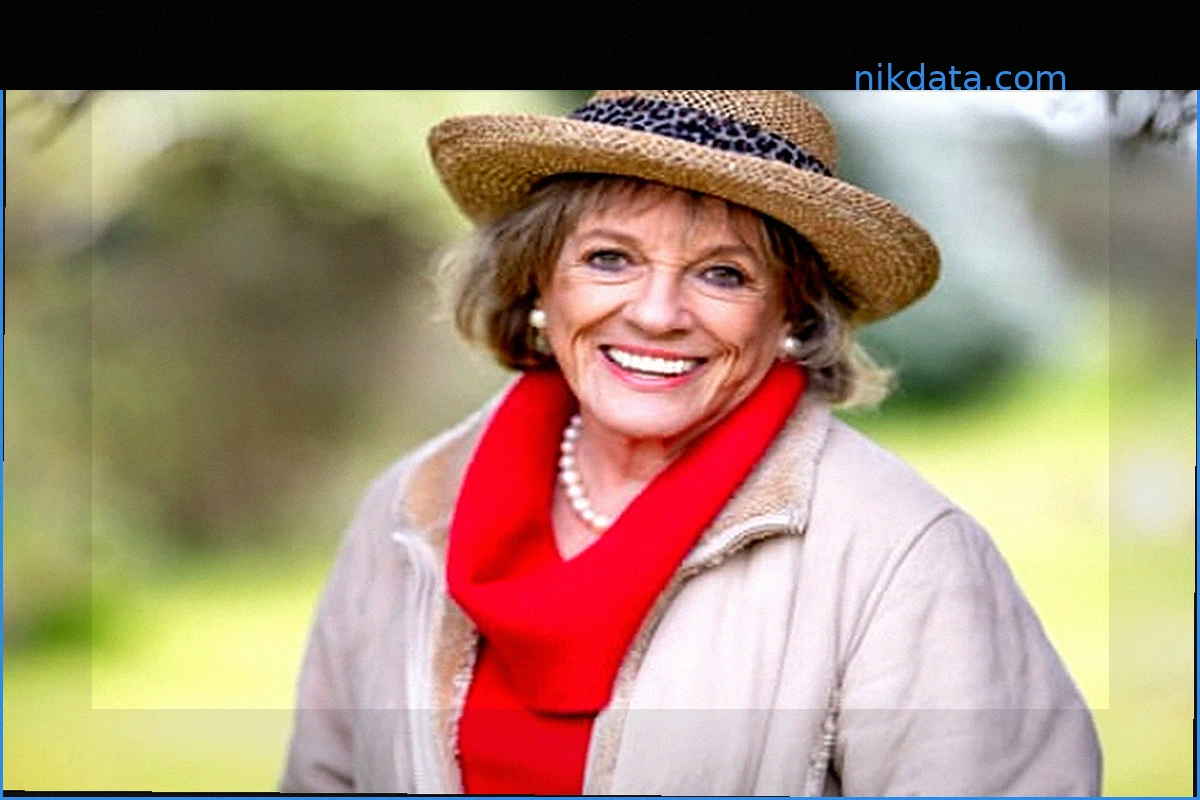
Esther Rantzen, TV Presenter and Childline Founder, Dies at 86
Esther Rantzen, the Bafta-winning television presenter and creator of the charity Childline, has died at 86. Her family described her as “the most wonderful mother” and “cherished grandmother,” whose “legacy of compassion and understanding will live on in her charities Childli

How Zach Cregger's Resident Evil Captures the Game's Essence
Some Resident Evil fans have voiced dissatisfaction online with Zach Cregger’s film adaptation, calling it "not a real Resident Evil movie." Yet, despite the absence of iconic heroes like Leon or Claire, familiar villains, and well-known settings, Cregger's interpretation stands out a
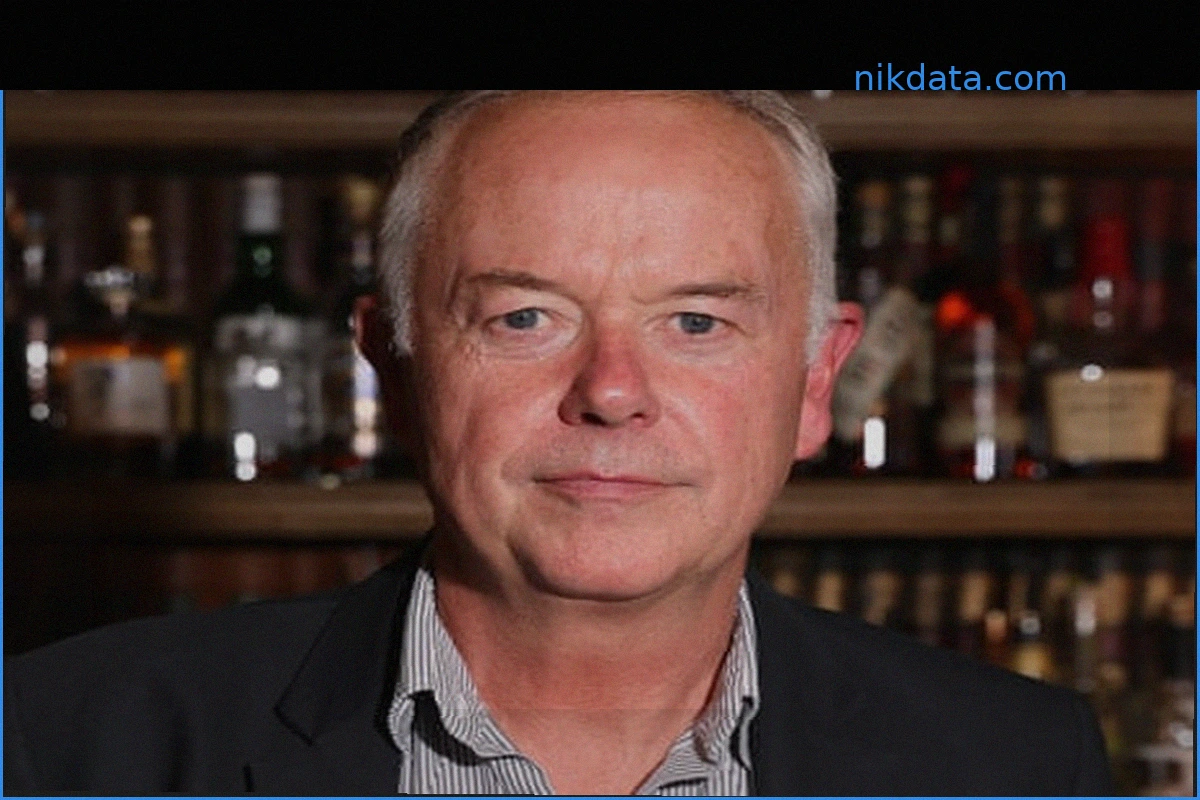
Questions for Michael Winterbottom
The 90s are currently in vogue, but they wouldn't have happened without the 80s. Michael Winterbottom's 2002 film, 24 Hour Party People, explores Manchester's music scene from the Sex Pistols' 1976 gig at the Lesser Free Trade Hall, through Factory Records, Joy Division, New Order, an
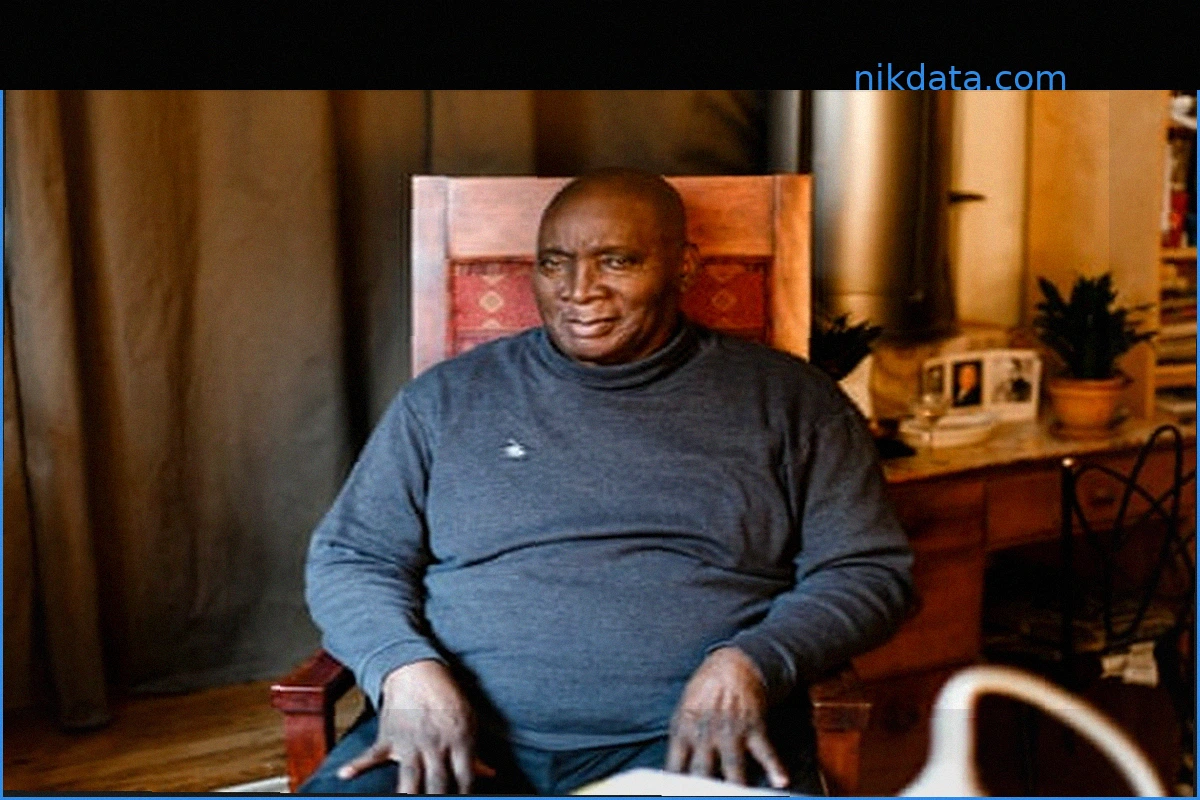
Mighty Sparrow, Trinidad and Tobago's 'Calypso King of the World,' Dies at 91
Slinger Francisco, known on stage as the Mighty Sparrow and hailed as the “calypso king of the world,” has died at 91. His family confirmed his peaceful passing surrounded by loved ones in New York on Sunday, stating it followed a brief illness. Francisco rose to prominence in calypso music