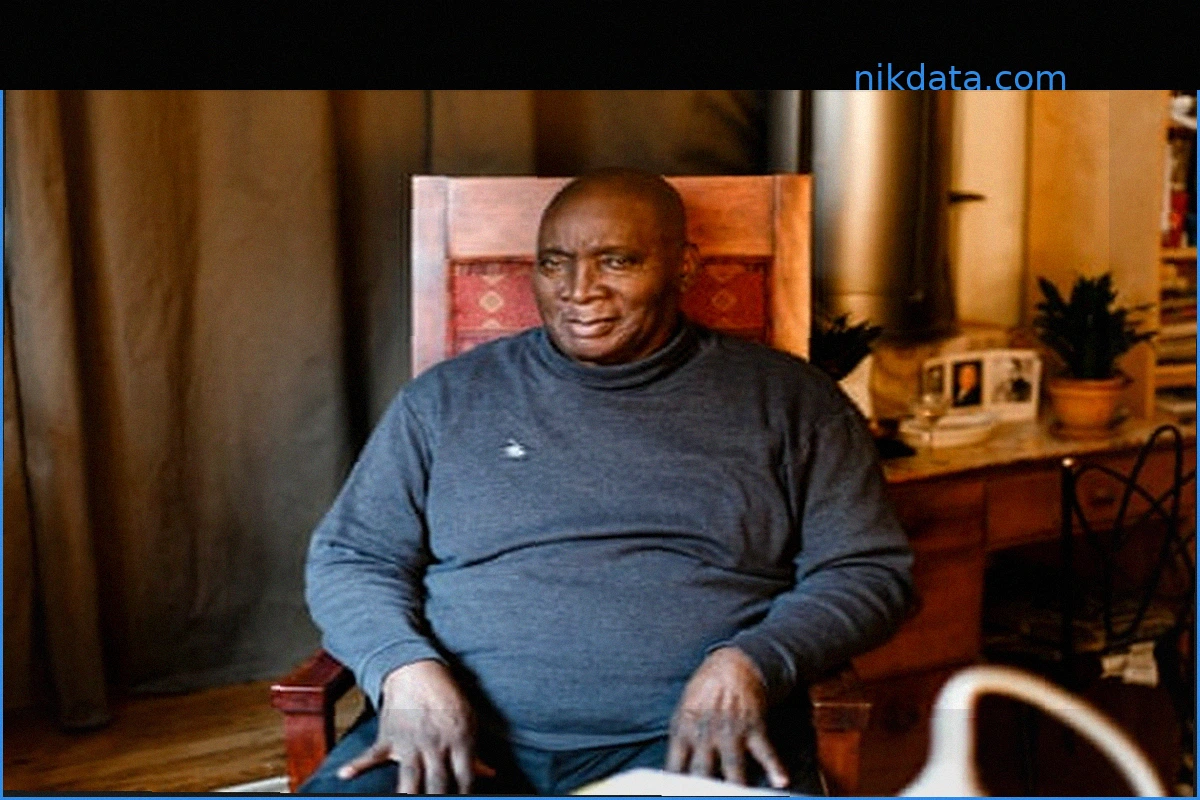
David Harewood delivers a commanding performance in 'Pierre,' a London-set crime drama that has quickly established itself as a notable entry in the Black British crime genre. The series, co-written by acclaimed playwright Roy Williams and John Donnelly, hinges on Harewood's compelling portrayal of Pierre, a duty solicitor.
Harewood embodies Pierre with a quiet intensity. His presence fills the screen, whether he's delivering a veiled threat or a word of reassurance. His characteristic Birmingham accent is honed to a sharper edge, reflecting years of navigating London's grittier undercurrents. The show's noirish atmosphere is amplified by its depiction of Pierre's nocturnal rounds and the striking visual design, including building-height title graphics.
The plot centers on the suspicious death of a young Black man who had confided in Pierre about building a case against a police officer for harassment. This setup grounds the series in the complexities of race and policing in Britain.
'Pierre' excels as a genre show that knows its purpose and executes it effectively. Pierre himself articulates this philosophy when explaining the show's approach to a potential client: "This ain’t the Premier League... We want a guaranteed 20 goals a season and someone prepared to dig their elbows in where it hurts, week in, week out." This straightforward, no-nonsense style, though rehearsed, proves persuasive.
Unlike earlier shows that cast Black actors as heroes without deeply exploring the Black experience within institutions, 'Pierre' delves into the daily indignities and personal toll of navigating a system like the Metropolitan police. This approach marks a progression from earlier portrayals, following in the footsteps of dramas like 'Red, White and Blue' and 'Get Millie Black,' which have previously tackled systemic racism in British institutions.
Pierre's position as a middle-class Black professional, still connected to his community, grants him a unique vantage point. He can comfortably engage with his police detective friend, DS Ronnie Miller (Jason Flemyng), and then offer solace to the family of a murdered teenager. His wry observations, such as a comment on a club owner's wealth made from "sugar," highlight his awareness of historical context.
The drama also explores the personal challenges Pierre faces, often in conversation with his Black colleagues, including his law partner Charlotte (Michele Austin) and his wife Celeste (Sara Powell). Though Celeste's character sometimes struggles against the trope of the nagging wife of a dynamic antihero, the show is rich with colorful characters, including a memorable appearance by Christopher Fairbank.
While 'Pierre' occasionally struggles to condense complex racial and policing politics into dialogue, its core strengths—Harewood's performance and its honest engagement with its themes—make it a compelling watch. The consensus among Pierre's allies is clear: he is uniquely capable. The show's depth suggests that a second season would provide ample opportunity for him to further unravel these intricate issues.