France-Lise McGurn: The Art of Embracing Life's Complexities
Artist France-Lise McGurn embraces the intricate nature of life, acknowledging that while parties are enjoyable, they eventually end. Her latest exhibition at Dundee Contemporary Arts, titled "The Charm Offensive," marks a significant expansion of her dynamic and vital paintings to an unprecedented scale. Through her work, McGurn navigates themes of grief, the passage of time, and the multifaceted paradoxes of contemporary womanhood, striving to capture the desire for presence by balancing the joy of celebration with the inevitable melancholy of departure.
A native of Glasgow and an alumna of Dundee's painting program, McGurn's exhibition feels like a homecoming. She reflects on her past proximity to the DCA as a student, noting that while nostalgia can be viewed critically in the art world, a "melancholic grappling with the past is part of painting." For "The Charm Offensive," McGurn has made her extensive archive of source material, previously unseen by viewers, a central element of her process. Film stills, magazine advertisements, family photographs, and other inspiring ephemera are now making their debut on canvas for the first time. Working from her Glasgow studio, McGurn utilizes large-format prints of these images, creating a distinct lo-fi, retro aesthetic. In some pieces, these printed images are partially or entirely obscured by paint, existing as spectral presences beneath new compositions. In others, she applies minimal paint, allowing the printed image to dominate the canvas.
A notable work, "Motor," features a printed image of the van from McGurn's childhood. Layered on top, she has painted silhouettes of her young daughter and her late mother, artist Rita McGurn. This piece becomes a powerful representation of the cyclical nature of time, intergenerational inheritance, and legacy. The presence of her mother is palpable even in conversation, her influence profoundly evident in McGurn's artistic approach.
"She had this radical feminist idea that you don’t wait for the studio," McGurn recalls, referring to her mother's philosophy. "Painting can happen around real life – and it had to." While McGurn hasn't adopted her mother's practice of painting the entire family home, she embodies the core ethos of utilizing available resources and adapting as she goes. This principle is evident in her east London studio, surrounded by the typical remnants of a working artist. The DCA exhibition extends this philosophy by incorporating tangible objects for the first time. McGurn has brought a paint-covered sofa from her studio, inviting visitors to relax and immerse themselves in the space. Painted wallets and other found objects are also on display, not only celebrating the luxury of a large exhibition space to fill but also reaffirming her mother's belief that anything is a potential canvas. The exhibition also emphasizes a spatial dimension, with McGurn aiming to create an environment where visitors feel welcomed and encouraged to spend their time.
McGurn's work has consistently featured dynamic and sensual female figures, often drawing from her own body. "It's my body," she laughs, "and I'll use it." However, these figures transform on the canvas into what McGurn terms "glyphs" – abstracted, classical symbols of the female form rather than individual portraits. She challenges the simplistic interpretation of her work as purely hedonistic, asserting, "I think there is a much harder, more subversive relationship women have to their bodies now."
One of the printed images featured in the show is a viral photograph of Katy Perry kissing the Earth upon her return from space. McGurn interprets this image as symbolic of a woman who, by venturing into space, has potentially impacted the planet she now embraces. Her art skillfully balances playful irreverence with sharp critique, reflecting the real-life contradictions and anomalies that define modern existence.
The vibrant, pastel palette often used in McGurn's work is frequently misconstrued as purely decorative or "feminine." She finds this reductionist interpretation limiting, stating, "Like, ‘Oh, how feminine!’’’ she laughs. McGurn is as interested in exploring this perception as she is in subverting it. For her, the chosen palette is dictated by the materiality of her paints and the textures they create. Her aesthetic provocations question the boundaries between decoration and depth, surface and meaning, and the act of looking versus being looked at.
Ultimately, McGurn's paintings serve as compelling invitations: "Get in this painting and figure it out with me," she urges. The myriad paradoxes of contemporary life find a resting place on her canvases, tangled yet harmoniously balanced. Like the artist herself, her works exude a generous and profoundly human warmth.
Fresh materials — Society news

O2 Secures Landmark Deal for London Venue Naming Rights
O2 has signed a record contract, reportedly worth around £200 million, to keep its name on the London venue. This renewal marks the largest of its kind in UK history. The 10-year agreement will extend O2's association with the venue until at least 2038. This sponsorship now ranks as the s

David Harewood's 'Pierre' Review: A Modern Noir Classic
David Harewood delivers a commanding performance in 'Pierre,' a London-set crime drama that has quickly established itself as a notable entry in the Black British crime genre. The series, co-written by acclaimed playwright Roy Williams and John Donnelly, hinges on Harewood's compellin
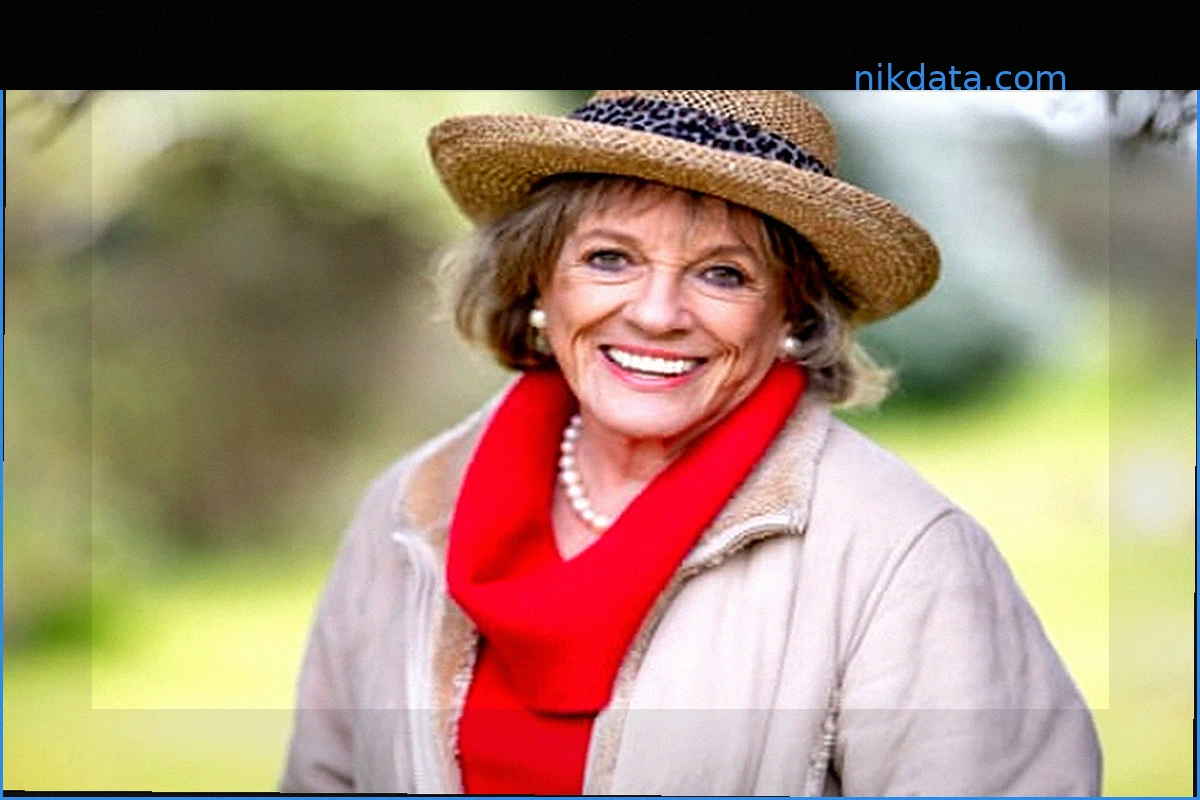
Esther Rantzen, TV Presenter and Childline Founder, Dies at 86
Esther Rantzen, the Bafta-winning television presenter and creator of the charity Childline, has died at 86. Her family described her as “the most wonderful mother” and “cherished grandmother,” whose “legacy of compassion and understanding will live on in her charities Childli
How Zach Cregger's Resident Evil Captures the Game's Essence
Some Resident Evil fans have voiced dissatisfaction online with Zach Cregger’s film adaptation, calling it "not a real Resident Evil movie." Yet, despite the absence of iconic heroes like Leon or Claire, familiar villains, and well-known settings, Cregger's interpretation stands out a

Questions for Michael Winterbottom
The 90s are currently in vogue, but they wouldn't have happened without the 80s. Michael Winterbottom's 2002 film, 24 Hour Party People, explores Manchester's music scene from the Sex Pistols' 1976 gig at the Lesser Free Trade Hall, through Factory Records, Joy Division, New Order, an
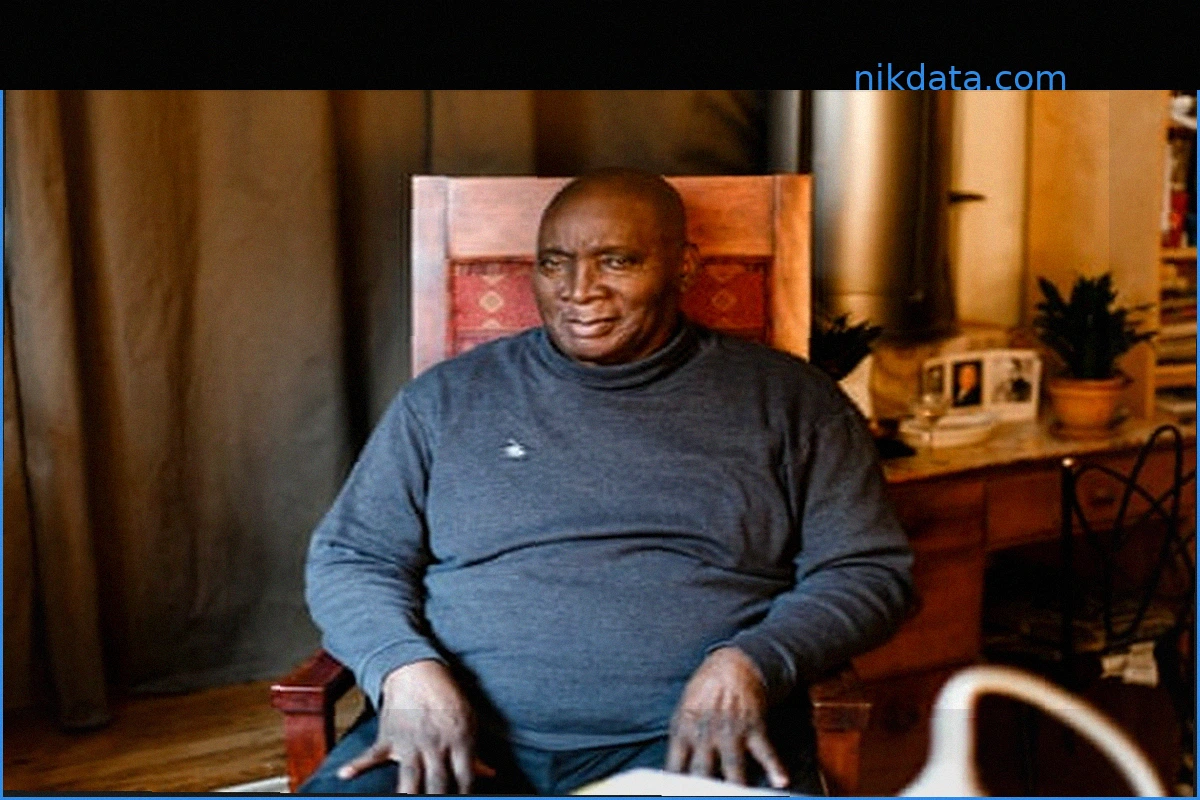
Mighty Sparrow, Trinidad and Tobago's 'Calypso King of the World,' Dies at 91
Slinger Francisco, known on stage as the Mighty Sparrow and hailed as the “calypso king of the world,” has died at 91. His family confirmed his peaceful passing surrounded by loved ones in New York on Sunday, stating it followed a brief illness. Francisco rose to prominence in calypso music